Kolkata: The West Bengal government is exploring the use of artificial intelligence (AI) to improve urban infrastructure and civic services, including property tax assessment, waterlogging detection, pipeline maintenance, parking management and monitoring the structural health of bridges.
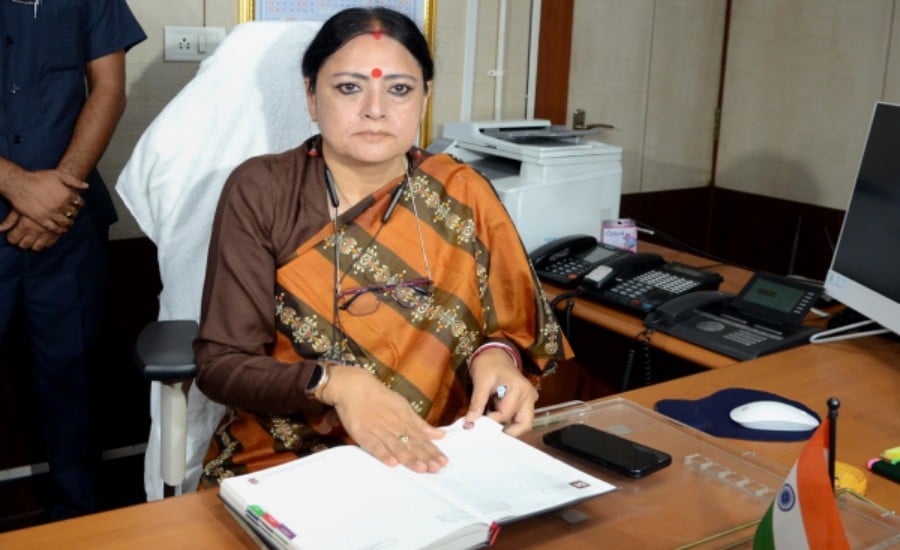
State Minister Agnimitra Paul said the government wants technology that can provide officials with a consolidated view of urban infrastructure and help identify problems requiring immediate attention.
AI for Property Tax and Civic Revenue
Speaking on the sidelines of CREDAI Kolkata TECHCON 2026, Paul said AI could be integrated into property tax assessment, licences and other revenue-generating areas such as hoardings.
The proposed technology-driven system could help authorities view multiple civic functions together and identify areas where intervention is required.
West Bengal has already digitised several municipal services, including property tax collection, building-plan approvals and trade licences. The government is now looking at extending this digital infrastructure towards AI-based monitoring and assessment.
Read Also: West Bengal Cabinet Moves to Unlock Industrial Land, Projects Set to Generate 68,584 Jobs
Waterlogging and Pipeline Maintenance
AI could also help authorities identify areas affected by waterlogging and assess ageing civic infrastructure.
Paul said technology could be used to identify locations where waterlogging occurs and determine where old pipelines require replacement. Such systems could help officials analyse infrastructure conditions across Kolkata and surrounding areas more efficiently.
The move comes as urban authorities face increasing challenges in managing large and rapidly developing cities, where timely identification of infrastructure problems can influence both public convenience and municipal planning.
Parking Infrastructure Needs Attention
Parking has emerged as another major urban challenge highlighted by the minister.
Paul said authorities cannot simply ask people not to park illegally without addressing where vehicles can be parked. She stressed the need to develop more multi-level parking facilities as part of future urban infrastructure planning.
AI-based systems could potentially complement such infrastructure by helping authorities understand parking demand and monitor the use of available spaces.
Technology for Bridge Safety
The minister also sought technology-based solutions to assess the structural health of bridges.
She asked how AI could assist in testing bridge conditions and identifying infrastructure that may require inspection or intervention.
While detailed implementation plans have not yet been announced, the comments indicate that the state is considering AI not only for administrative services but also for monitoring critical physical infrastructure.
Urban Challenge Fund Could Support Projects
Paul’s comments also come against the backdrop of the Centre’s Urban Challenge Fund, a ₹1 lakh crore scheme approved earlier this year to support market-linked urban infrastructure projects.
Under the scheme, central assistance can cover up to 25% of a project’s cost, while at least 50% of the funding must come from market sources.
For states and urban local bodies, such funding mechanisms could provide opportunities to develop technology-enabled infrastructure if projects meet the required conditions.
AI Adoption Grows in Real Estate
AI adoption is also expanding within Kolkata’s real estate sector.
CREDAI Kolkata TECHCON Chair Gaurav Belani said the technology is increasingly being used in construction, marketing and customer interaction. According to him, AI can help reduce costs, improve building sustainability and strengthen communication with customers.
Belani also rejected the idea that wider AI adoption would necessarily result in higher unemployment. He said the expansion of the technology ecosystem could create new employment requirements.
West Bengal Looks Towards Smarter Urban Management
West Bengal’s interest in AI marks a potential shift from basic digitisation towards more data-driven urban management. Existing digital municipal services could provide a foundation for introducing AI-based monitoring across taxation, infrastructure and civic services.
If implemented effectively, such systems could help officials detect problems earlier, prioritise interventions and improve the management of urban infrastructure.
For Kolkata and surrounding urban areas, the proposed applications could bring technology into everyday civic challenges—from waterlogging and parking to ageing pipelines and bridge safety—while supporting more responsive and efficient municipal services.
Read Also: West Bengal’s ₹1.47 Lakh Crore Infrastructure Pipeline Could Power Industrial Growth