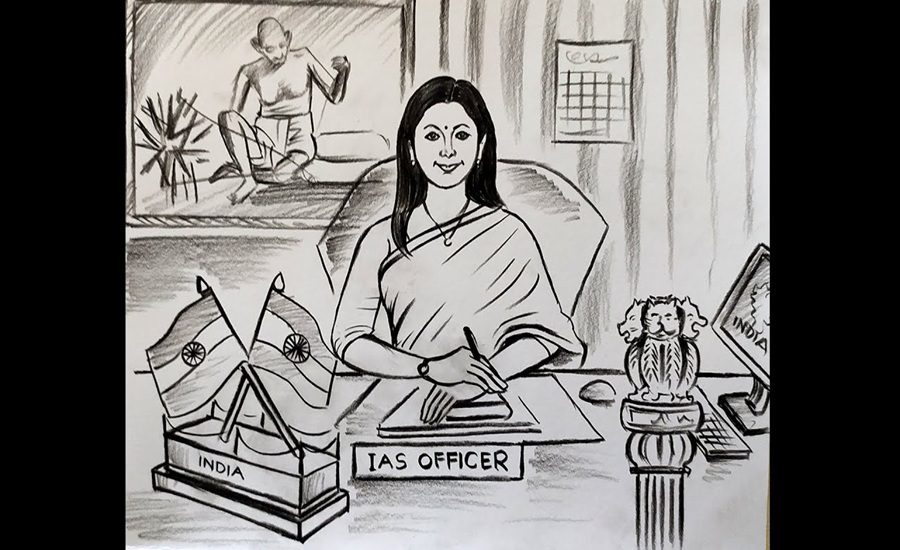
Ambedkarnagar (UP): In an inspiring example of women’s leadership in public administration, Ambedkarnagar district of Uttar Pradesh is witnessing a remarkable rise in the presence of women officers across key administrative positions.
From the District Magistrate to the Superintendent of Police and several other important departments, women officers are playing a leading role in governance and public service delivery. The district presents a unique administrative landscape where most major responsibilities are being handled by female officers.
Women Hold the Top Two Posts
The district’s two most prominent positions are currently occupied by women officers.
IAS Eesha Priya as District Magistrate
The district is headed by IAS Eesha Priya, a 2016-batch Uttar Pradesh cadre officer.
Born on March 6, 1989, Eesha Priya holds a B.Tech degree in Electrical Engineering from the Cochin University of Science and Technology. Over the years, she has served in various administrative roles and is known for her efficient governance and policy implementation.
As District Magistrate, she oversees the overall administration, law and order coordination, development activities and implementation of government schemes in Ambedkarnagar.
IPS Prachi Singh as Superintendent of Police
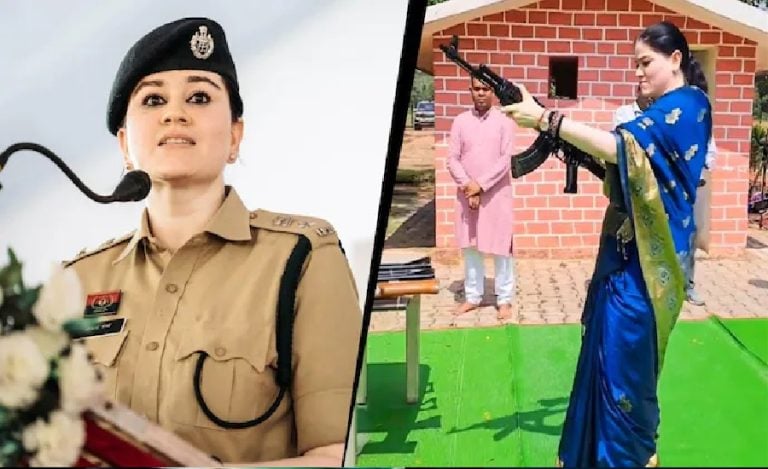
Law and order responsibilities in the district are being handled by IPS Prachi Singh, a 2017-batch officer serving as Superintendent of Police.
Her leadership places a woman officer at the helm of the district police force, reflecting the growing representation of women in policing and internal security administration.
Women Across Key Administrative Departments
Beyond the DM and SP offices, several other crucial departments are headed by women officers.
Administrative and Revenue Management
- PCS Jyotsna Bandhu – Additional District Magistrate (Finance & Revenue)
- IAS Pratiksha Singh – Joint Magistrate/Sub-Divisional Magistrate
These officers play vital roles in revenue administration, public grievance redressal and implementation of government policies at the sub-divisional level.
Urban Governance
Urban local body administration is also being managed by women officers.
- Beena Singh – Executive Officer, Akbarpur and Tanda Municipalities
Her responsibilities include civic administration, sanitation, urban development and municipal services.
Education and Welfare
Several welfare and educational departments are also headed by women officers.
- Ms. Poonam Mishra – Basic Education Officer
- Pratibha Yadav – District Welfare Officer for Persons with Disabilities
- District Minority Welfare Officer
- District Employment Officer
- District Youth Welfare Officer
These departments are directly involved in implementing welfare programmes and improving access to education, employment and social justice initiatives.
Sports Administration
- Sheela Bhattacharya – District Sports Officer
She oversees sports development activities, athlete promotion programmes and district-level sporting initiatives.
Revenue Administration
- Garima Bhargava – Tehsildar, Tanda
Her role includes land revenue administration, dispute resolution and maintenance of land records.
A Rare Administrative Landscape
What makes Ambedkarnagar’s administrative structure noteworthy is the extent of female representation across departments.
With women occupying a majority of senior district-level posts, the district has become a striking example of increasing gender diversity in governance.
While women officers are leading most administrative functions, only two major Class-I positions are currently held by male officers:
- IAS Anand Kumar Shukla – Chief Development Officer (CDO)
- PCS Ranjit Kumar – Additional District Magistrate (Judicial)
Reflecting a Broader Change
The administrative composition of Ambedkarnagar reflects a broader transformation taking place across India’s civil services, where increasing numbers of women are entering leadership roles in administration, policing, education, welfare and governance.
The district’s officer lineup demonstrates how women are not only participating in public administration but are also leading critical governance functions at the grassroots level.
As women continue to break barriers in civil services, Ambedkarnagar stands out as a compelling example of gender-inclusive governance, where female officers are shaping policy implementation, law and order management, welfare delivery and district administration on a daily basis.