New Delhi: The central government has announced a major overhaul of the UPSC cadre allocation process for All India Services, implementing the UPSC Cadre Allotment Policy 2026. This new policy abolishes the old zonal system that has been in place since 2017 and introduces a more balanced group-based system for assigning officers to various state cadres. The revision aims to enhance fairness, transparency, and administrative efficiency in the distribution of officers across the country.
Zonal System Abolished, New Group System Introduced
Previously, states were divided into geographical zones—North, Central, West, East, and South—for cadre allocation. This system often led to regional imbalances and limited flexibility for candidates. Under the new policy, states and joint cadres are divided into four alphabetical groups, which the government believes will better implement the insider-outsider principle and ensure a more equitable distribution of officers nationwide.
Read also: UPSC Interview Postponed: Civil Services Personality Test Rescheduled to 27 February 2026
Insider Cadre Allocation: Merit First
The new system prioritizes insider cadre allocation, meaning candidates who select their home state or cadre as a preference will be placed first, based strictly on merit. Separate merit lists will be prepared for each category:
- Unreserved (UR)
- Other Backward Classes (OBC)
- Scheduled Castes (SC)
- Scheduled Tribes (ST)
This ensures that home cadre candidates are given first preference before the allocation of outsider seats.
Twenty-Five Cadre Cycle System
The cadre allocation process will now follow a cycle of twenty-five cadres:
- In each cycle, the highest-ranked candidate is placed first.
- Remaining candidates move on to subsequent cycles.
If an insider seat cannot be filled, it will convert into an outsider seat and will not be reserved for future years.
This system also applies to reserved categories, and candidates with disabilities are given priority within their respective categories. Additional posts may be created if necessary to ensure candidates with disabilities receive their preferred cadre.
Outsider Cadre Allocation
The allocation of outsider seats will begin only after insider allocations are complete. Key features include:
Priority given to candidates with disabilities, followed by other candidates.
If a candidate is mistakenly allotted a home cadre as an outsider, an exchange will be made with the next candidate to maintain fairness.
Determination of Vacancies
Under the new policy, annual vacancies for each service will be determined by the respective cadre controlling authorities:
- Indian Administrative Service (IAS): Department of Personnel and Training (DoPT)
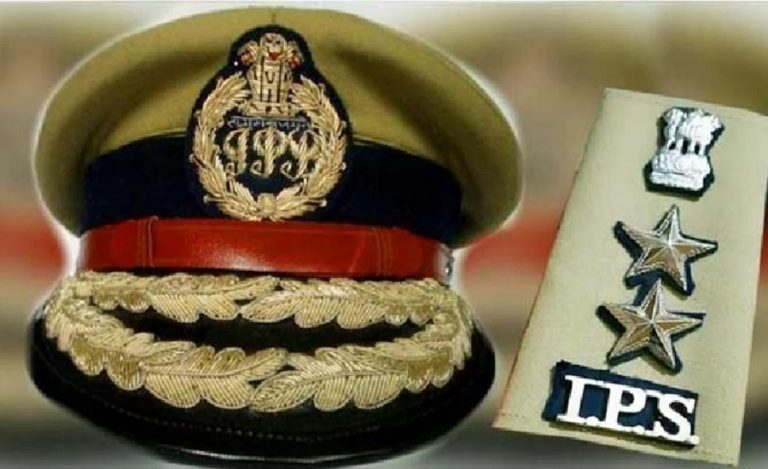
- Indian Police Service (IPS): Ministry of Home Affairs (MHA)
- Indian Forest Service (IFoS): Ministry of Environment, Forest and Climate Change
Vacancies will be calculated as of January 1 of the year following the Civil Services Examination, and states must submit their demands by January 31. Posts reserved for the economically weaker sections (EWS) will be counted under the unreserved category.
Government’s Claim: Fairness and Efficiency Strengthened
The government asserts that the UPSC Cadre Allotment Policy 2026 will:
- Enhance fairness and transparency in cadre allocation.
- Ensure a balanced distribution of officers across all states and union territories.
Strengthen the core spirit of the All India Services, maintaining the principle of efficient and impartial administration.
Officials believe the new system will address past concerns regarding regional imbalances, reduce favoritism, and make the cadre allocation process simpler and more predictable for aspirants.