Varanasi, often described as the spiritual heart of India, is a city where time seems to flow with the Ganges—ancient, eternal, and unyielding. The ghats of Varanasi, steeped in centuries of history, have witnessed countless sunrises and rituals, with stories whispered through the narrow alleys and sacred waters. As the oldest continuously inhabited city in the world, Varanasi is a blend of the old and the new, where tradition meets progress at every turn.
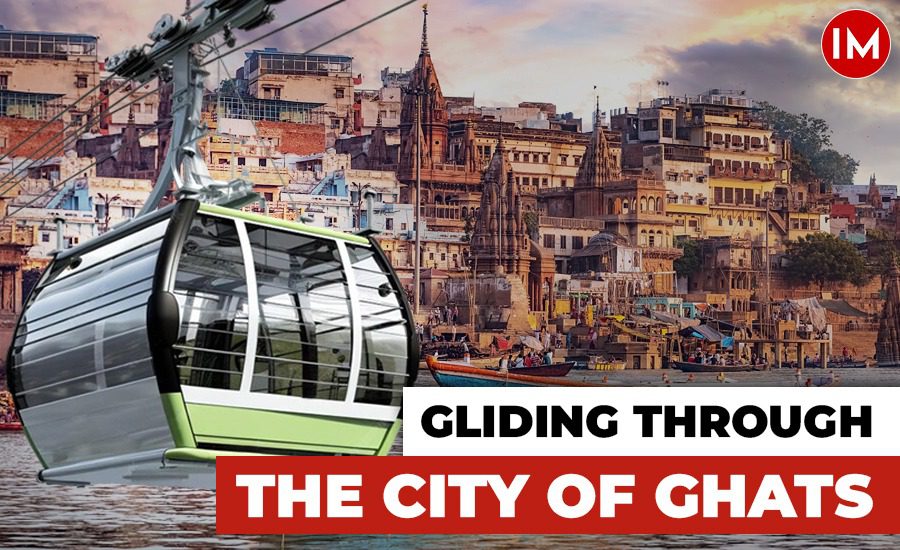
In this timeless city, a new chapter is being written that will allow its residents and visitors to soar above its ancient streets and witness its splendor from the skies. Varanasi is going to be home to India’s first-ever urban ropeway. This project promises to not only cut down on travel time but also offer a breathtaking aerial view of the city.
A VISION FOR VARANASI
The urban ropeway project, officially inaugurated by Prime Minister Narendra Modi on March 24, 2022, under the ‘Pravatmala Pariyojana’ National Ropeways Development Programme, is more than just a transportation initiative. It’s a vision for the future of Varanasi—a city that embraces its heritage while looking forward to modern solutions. Speaking with Indian Masterminds, IAS officer Pulkit Garg, Vice Chairman of the Varanasi Development Authority, shared the rationale behind this ambitious project.
WHY A ROPEWAY?
The decision to build a ropeway instead of a conventional metro was rooted in Varanasi’s unique challenges. As one of the oldest cities in the world, Varanasi’s underground is a treasure trove of archaeological remains, some dating back thousands of years. Digging deep tunnels for an underground metro would have presented significant risks to these priceless relics. Additionally, the city’s narrow and congested streets made the construction of a traditional metro system impractical.
“Varanasi is not just any city; it’s a living, breathing heritage site. We didn’t want to go for an underground metro, considering the archaeological significance and the potential disruption to the ancient remains beneath our feet,” Mr. Garg explained.
The ropeway project, however, offered a solution that was both innovative and respectful of the city’s heritage. By elevating the transportation system above ground, the project minimizes the need for extensive excavation and preserves the sanctity of Varanasi’s historical sites. Moreover, Mr. Garg informed that the ropeway’s design incorporates elements of the local culture, with each station and pillar reflecting the rich traditions and architecture of the city.
This is the first urban ropeway project in Asia. “It’s a solution for both the residents and the millions of tourists who visit Varanasi every year. The locals are excited about this project, and we are ensuring that it is not just functional but also a reflection of our cultural heritage.”
CHALLENGES ALONG THE WAY
As with any major infrastructure project, the construction of the Varanasi ropeway has not been without its challenges. One of the most significant hurdles has been the depth of the foundation required for the ropeway’s pillars. At around 30 meters deep, the construction has encountered numerous manual utilities, such as drainage and sewer lines, some of which are over 200 years old.
“For example, the Ghoda Naala, named so in the 1800s because its width allowed a horse to pass through it, posed a particular challenge,” Mr. Garg shared. “We had to replan the positioning of the pillars to avoid disturbing such utilities. Their age and depth make them difficult to relocate, and finding their alignment has been a painstaking process.”
This delicate balance between modern development and the preservation of historical infrastructure underscores the complexities of building in a city like Varanasi. However, these challenges have also led to innovative solutions and a deeper understanding of the city’s subterranean heritage.
THE ROUTE AND EXPERIENCE
Once completed, the 3.7-kilometer ropeway will pass across five key locations: Girja Ghar Godowlia Chowk, Rath Yatra, Kashi Vidyapith (Bharatmala Mandir), Varanasi Railway Station, and Varanasi Cantonment. This route has been carefully selected to serve both locals and tourists, providing easy access to some of the city’s most important landmarks.
The journey from Varanasi Junction to Godowlia, a route that currently takes significantly longer due to traffic congestion, will be reduced to just 16 minutes. With approximately 150 gondolas in service, each capable of holding ten passengers, the ropeway will have a maximum capacity of 6,000 passengers per hour. Gondolas will arrive at each of the four stations every two to three minutes, ensuring a smooth and efficient commute experience.
But beyond its practical benefits, the ropeway promises an unparalleled experience for those who take to the skies. Passengers will be treated to an aerial view of Varanasi’s historic ghats, temples, and bustling markets—an experience that will undoubtedly become a highlight for tourists and a point of pride for the city’s residents.