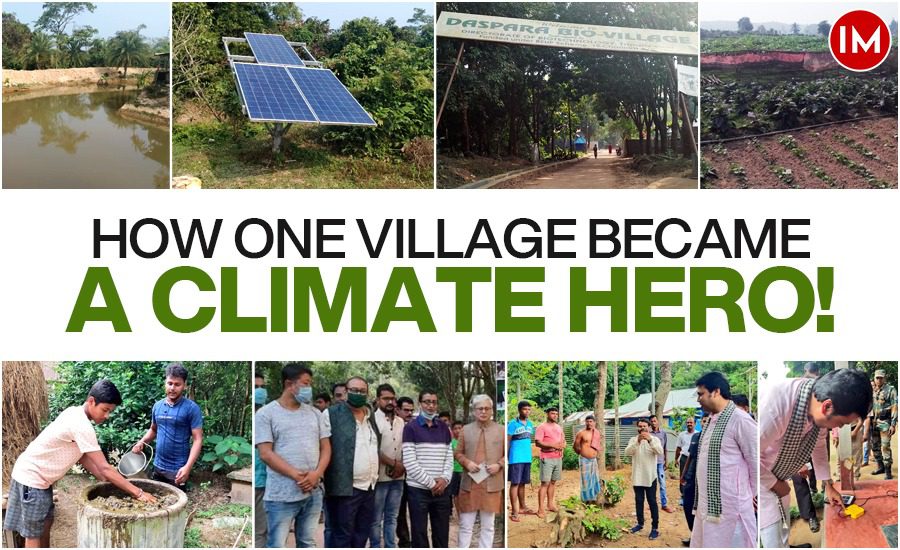
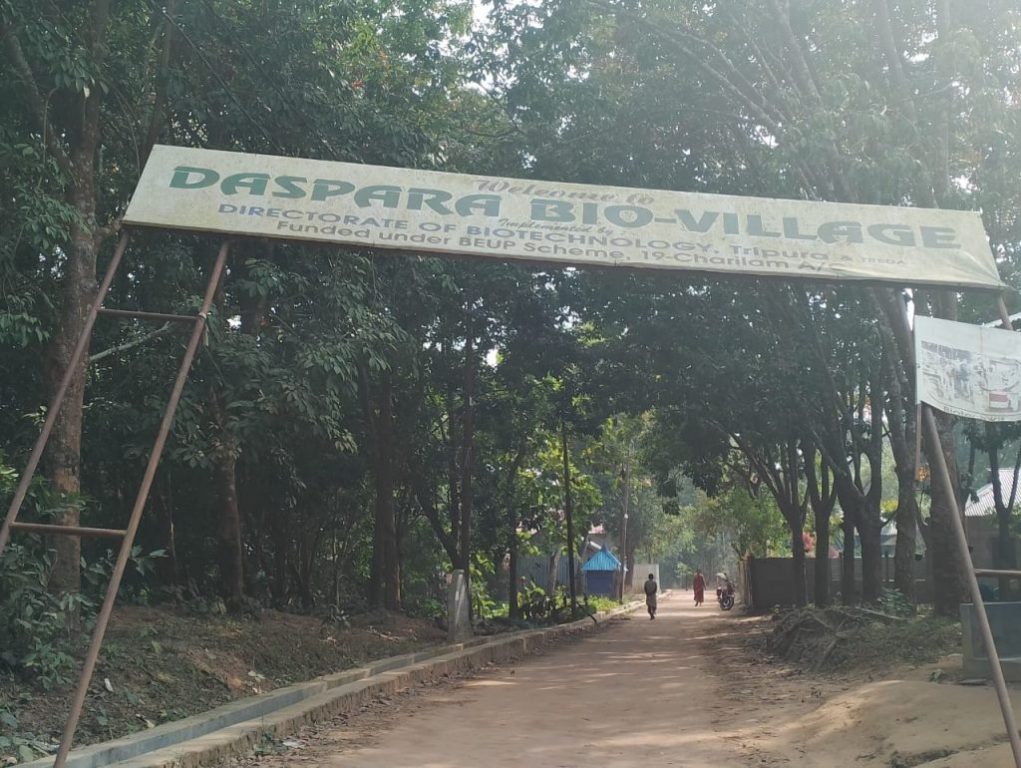
Nestled in the heart of Tripura’s Sepahijala District, the village of Daspara is rewriting the narrative of rural India’s sustainability. Once an ordinary hamlet, it has now earned the distinction of being India’s first self-sustaining modified bio-village. This remarkable transformation was sparked by the Bio-Village 2.0 initiative, a forward-thinking project led by the Directorate of Bio-Technology.
Daspara is now a model of environmental innovation and climate change mitigation. By embracing renewable energy, organic farming, and sustainable livelihood practices, this village has not only thrived but set an inspiring example for others. With 64 of its 70 households adopting solar energy, biogas, and organic fertilizers, residents have seen their incomes grow by an average of more than Rs 5000 per month, all while fostering a cleaner, greener environment.
But the story of Daspara goes beyond just economics. The village is helping combat major challenges like rural poverty, food security, and climate change, proving that sustainable practices can transform communities. The Tripura Government aims to replicate this success across the state.
Indian Masterminds engaged in a conversation with Mr. Siddharth Shiv Jaiswal, a 2016 batch IAS officer and the District Magistrate & Collector, along with Mr. Dwij Goel, a 2023 batch IAS officer and Assistant Collector, to gain deeper insights into the transformation of Daspara village.

The Birth of Bio-Village 2.0
The Bio-Village 2.0 initiative was first conceptualized by the Tripura government in 2018 with the aim of creating eco-friendly villages that would be resilient in the face of climate change. The groundwork for the project began nearly two years ago. Initially focused on promoting organic farming, the scope of the initiative quickly expanded to include a range of climate-smart practices. Today, it stands as a beacon of how rural villages can embrace sustainability to ensure long-term growth, environmental preservation, and economic empowerment.
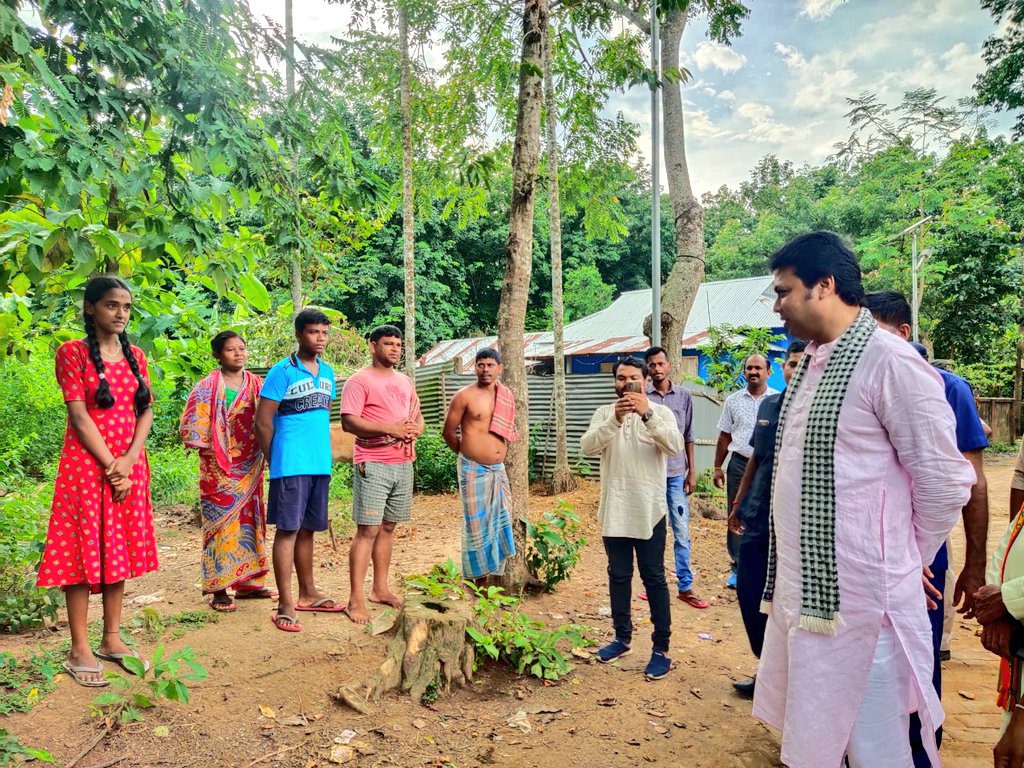
Daspara embraced this shift wholeheartedly. The community adopted a series of eco-friendly technologies, including solar-powered equipment, biogas plants, and organic fertilizers. This collective effort has significantly reduced reliance on harmful chemicals, fossil fuels, and inefficient practices.
As part of the project, solar pump sets were provided to 10 households under the PM Kusum Yojana. Fisheries kits were distributed to all households to support their fishing activities. Additionally, some families were encouraged to take up piggery farming and were provided with piggery kits. The administration also introduced a puffed rice machine to help generate a self-sustaining livelihood for the villagers. By converging various schemes, the project aimed to provide comprehensive benefits for a sustainable farm-based livelihood.
Mr. Siddharth explained, “This is a community-based initiative, but the administration plays a critical role. There are 70 houses in the village, of which 64 were targeted for the pilot project.”
Embracing Green Technology
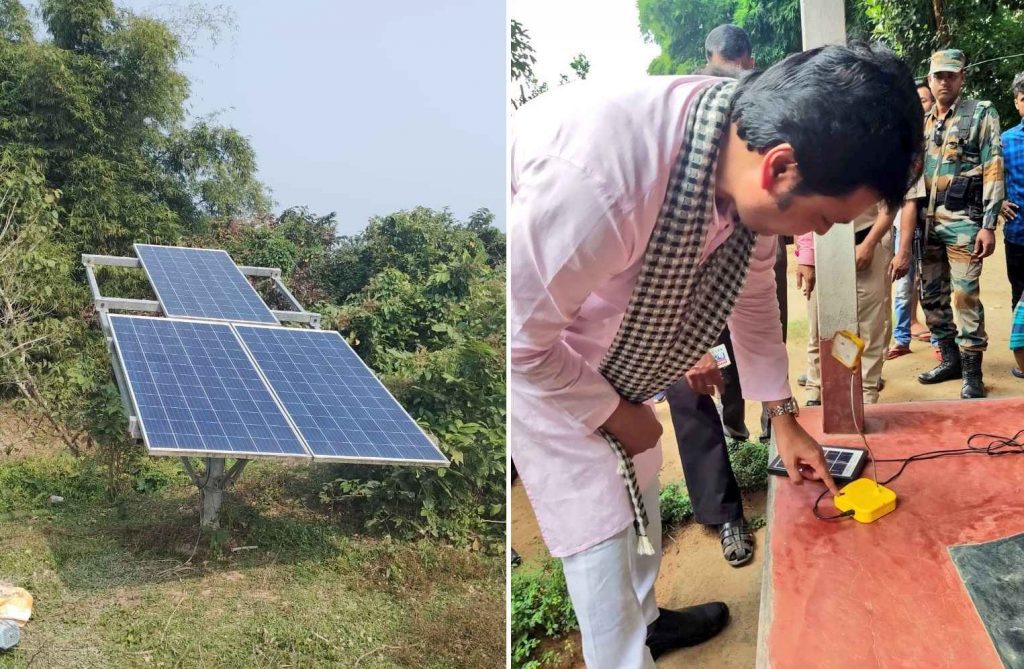
The transformation in Daspara is visible at every turn. The village’s homes are now powered by solar panels, while biogas provides a cleaner and more sustainable alternative to traditional cooking fuels.
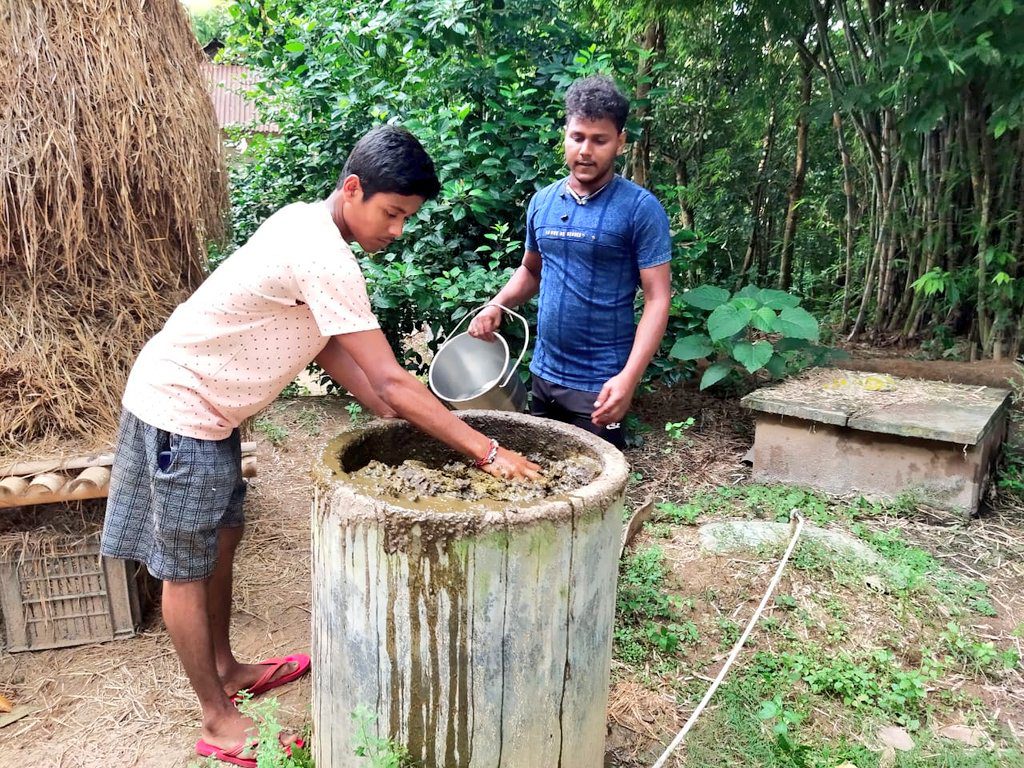
One of the most notable outcomes has been the significant reduction in the use of chemical fertilizers. Farmers in Daspara, who once relied heavily on chemical-based methods, have switched to using biofertilizers and biopesticides. These natural alternatives not only improve soil health but have also resulted in better crop yields. As soil quality improves, farmers are seeing healthier crops and more sustainable agricultural output, setting the stage for long-term economic growth.
IAS Goel explained, “The fundamental idea behind this initiative was to align it with sustainable development goals, such as clean energy, clean drinking water, and more.”
Economic Impact and Empowerment
The economic benefits for the residents of Daspara have been profound. With increased crop yields and access to sustainable farming techniques, households in the village now earn an additional Rs 5,000 to Rs 15,000 per month. The introduction of diversified livelihood options such as mushroom cultivation, beekeeping, and bio-composting has also provided families with more income streams.
Moreover, the Bio-Village 2.0 initiative is providing the community with a steady supply of affordable, renewable energy, which is crucial for improving food security and reducing the cost of living. As energy-saving devices, biogas plants, and solar-powered tools become more common, villagers find themselves less dependent on expensive, non-renewable resources. These changes allow the residents to focus more on improving their lives and less on the financial and environmental costs of traditional energy sources.
Community-Driven Success
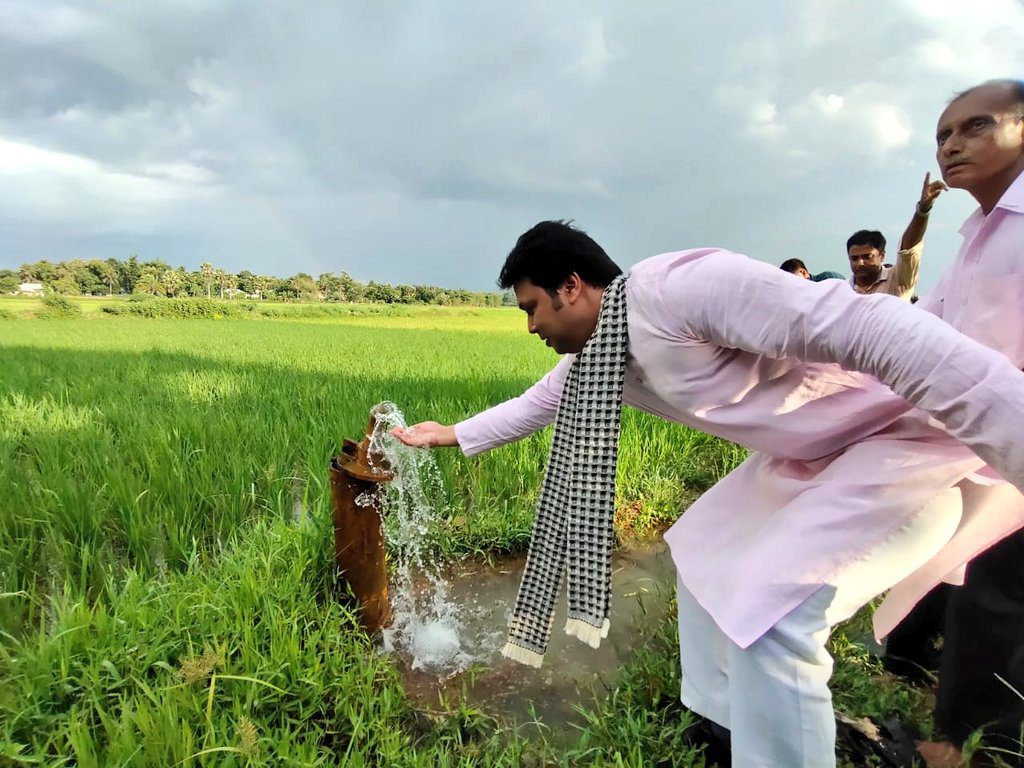
What sets Daspara apart from other rural development projects is the community-driven approach. Villagers have played an active role in selecting the technologies and interventions that best suit their needs. Whether it’s choosing solar water pumps, biogas units, or improved livestock breeds, the villagers have had the autonomy to make decisions that directly impact their lives. This flexibility has been a key factor in the success of the Bio-Village 2.0 initiative.
By incorporating local knowledge, empowering residents, and addressing the unique challenges of rural life, Tripura’s Bio-Village 2.0 initiative is creating self-sustaining communities that thrive in harmony with the environment.
A Model for the Future
Daspara’s success has gained international recognition, with The Climate Group naming its eco-friendly technologies as one of the top 10 global practices for sustainable rural development and climate change mitigation. This has spotlighted the village’s efforts, positioning it as a model for other rural communities.
The Tripura government plans to replicate this success by establishing 100 bio-villages, with 10 already in progress. These villages aim to promote socio-economic development, food security, and climate change mitigation. Daspara, through its embrace of green technologies and sustainable farming, serves as a shining example of how rural communities can build a sustainable and prosperous future.
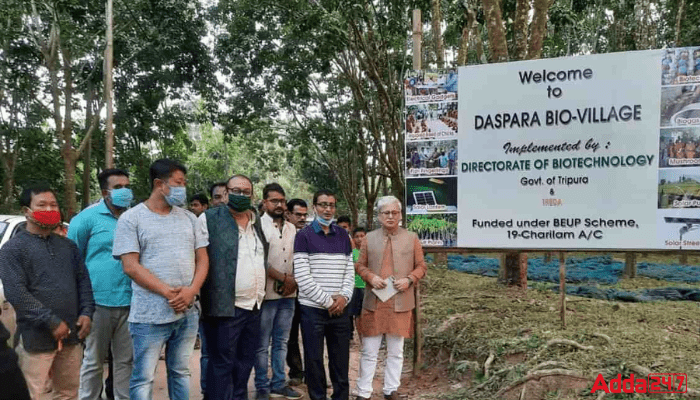
Mr. Goel remarked, “The villagers’ current demand is for more organic farming. The administration is now focusing on this, and if successful, Daspara will become a fully bio-sustainable, environmentally friendly village.”