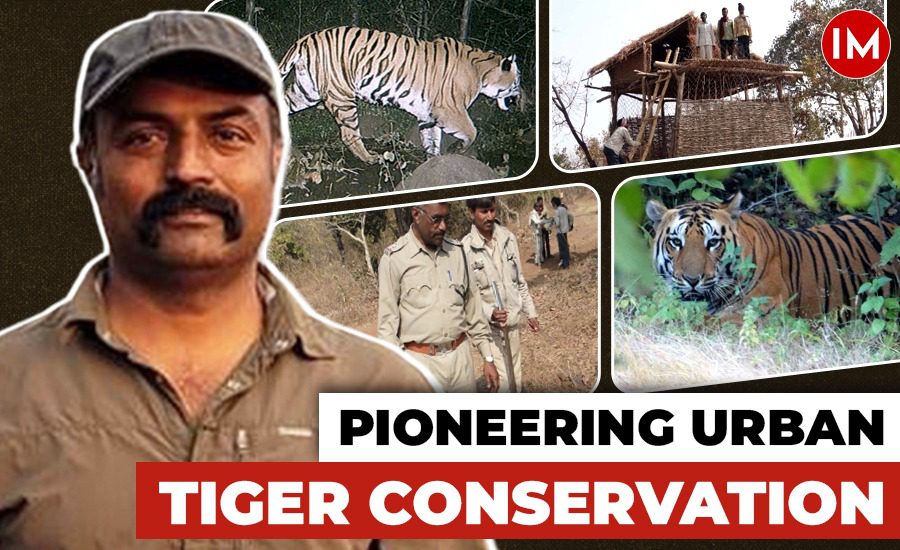
In the summer of 2010, the quiet wilderness of the Kerwa-Ratapani corridor, a slender three-kilometer-wide stretch of forest near Bhopal, was unexpectedly thrust into the spotlight. A male tiger, previously considered a transient visitor, was spotted on July 27, 2010, marking the beginning of a dramatic shift in the region’s wildlife dynamics. What had once been a forgotten strip of wilderness between the districts of Bhopal, Sehore, and Raisen was suddenly home to one of India’s most revered predators. The tiger wasn’t alone for long; by February 2011, a tigress had joined him, and soon after, in March 2012, camera traps captured the first images of her with cubs.
This surprising development signaled that the Kerwa-Ratapani corridor, despite its proximity to a bustling city with a population of 20 lakh, had become a new haven for tigers. However, with this return came a cascade of challenges that tested the limits of traditional wildlife management.
Under the leadership of the Conservator of Forests, Mr. L. Krishnamoorthy, the Bhopal Forest Division achieved remarkable success in managing the Kerwa-Ratapani area. His strategic approach to tiger conservation in this urban fringe habitat set a new benchmark for wildlife management. For his outstanding contributions, Mr. Krishnamoorthy was honored with the WWF-PATA Bagh Mitra Awards 2014-15. This prestigious award recognized his significant efforts in preserving and enhancing tiger habitats during his tenure as Conservator of Forests. Mr. Krishnamoorthy is now posted as Field Director of Satpura Tiger Reserve.
Challenges of Coexistence
The sudden reappearance of tigers in the Kerwa-Ratapani corridor brought to light the significant challenges of managing wildlife in an area so close to urban sprawl. The corridor, already under pressure from expanding townships, migratory labor, and traditional hunters, saw an alarming increase in human-wildlife conflicts. Between 2010 and June 2013, there were 126 cattle kills attributed to tigers, fueling animosity among local communities.
The corridor’s narrow width and limited natural prey base forced the tigers closer to human settlements, increasing the risk of deadly encounters. The forest department, recognizing the volatility of the situation, initially considered relocating the tigers to more secure habitats. However, as the tigers continued to thrive in this precarious environment, it became clear that relocation was not a viable long-term solution. The focus had to shift toward finding ways to manage the tigers’ presence and ensure the safety of both the animals and the people living nearby.
In an interview with Indian Masterminds, the then Conservator of Forests, Bhopal, Mr. L. Krishnamoorthy, shared, “Initially, we attempted to relocate the tiger. Despite our efforts spanning over two weeks, capturing the tiger proved challenging. The difficult terrain of the area hindered our progress, and the elephants used for tracking were unable to keep up with the tiger’s movements.”
Turning to Technology: The e-Eye System
Faced with the complexities of managing tigers in such a challenging environment, the forest department turned to advanced technology to find a solution. The centerpiece of their strategy was the e-Eye (Electronic Eye) system, a cutting-edge surveillance network designed to monitor and protect wildlife in real time.
The e-Eye system, a sophisticated integration of hardware and software, provided 24×7 remote surveillance across the Kerwa-Ratapani corridor. Strategically placed cameras, equipped with thermal and clear vision sensors, captured live feeds that were streamed to a central control room. Here, authorities could monitor the tigers’ movements on wide LED screens, with the cameras capable of zooming, panning, and tilting to provide comprehensive coverage even in challenging conditions.
This technology was a game-changer. The thermal sensors allowed for the detection of heat signatures, making it possible to spot tigers even in low-light conditions, while the Clear Vision technology ensured that no movement went unnoticed. The system’s web-enabled monitoring dashboard, coupled with intelligent software filters, provided real-time alerts via SMS, email, and pop-ups, ensuring that any potential threat or unusual activity was immediately flagged and addressed.
Comprehensive Management and Community Involvement
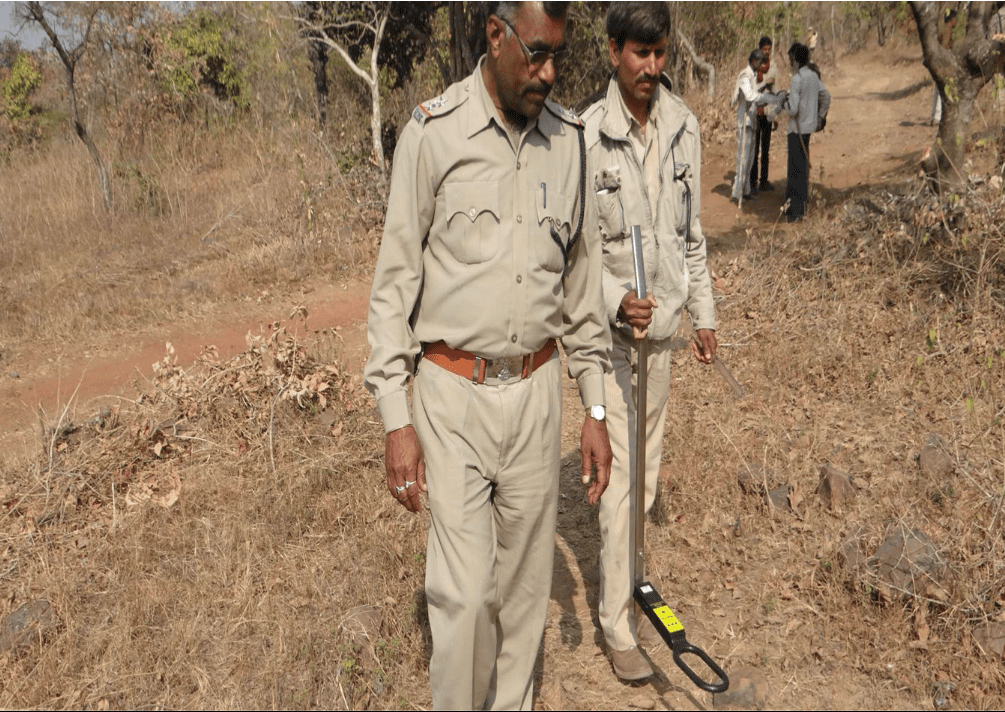
In addition to the technological advancements, the forest department also strengthened traditional conservation methods. Training programs involving wildlife and legal experts were conducted to equip the staff with the skills necessary to operate and maintain the sophisticated e-Eye system. Infrastructure was upgraded, and water sources within the corridor were meticulously mapped to better understand the tigers’ movements.
The department also focused on enhancing surveillance through night patrolling, beat patrolling, and the use of dog squads. Community involvement was another critical aspect of the strategy. Awareness campaigns were launched in fringe villages, and local village forest committees (VFCs) were involved in conservation efforts. Coordination with district administration ensured swift responses to any issues, and timely compensation for cattle losses helped mitigate local resentment.
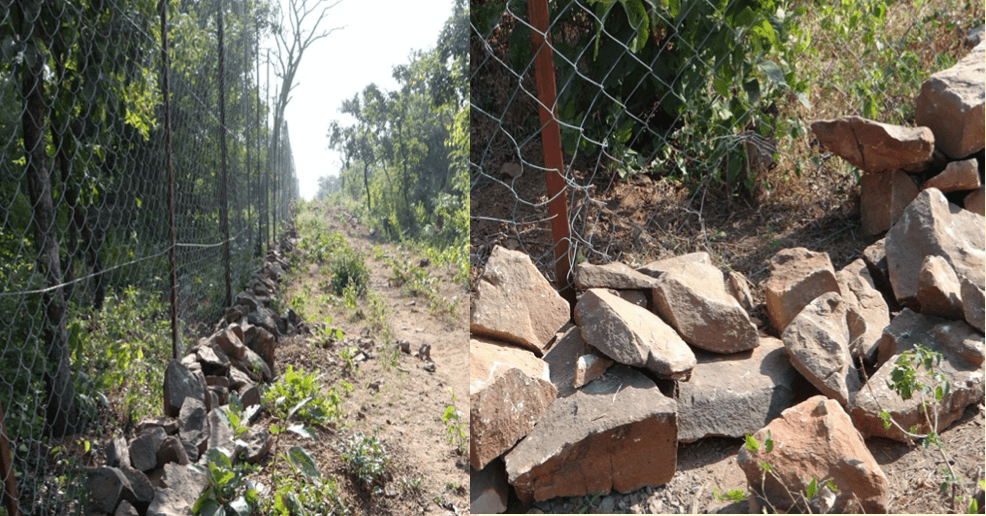
Barriers and tiger-proof fencing were erected, forest roads were strengthened, and regular checks of electric lines and water holes were conducted. Wireless networks and mobile communication systems were deployed to ensure that the department remained connected and responsive at all times.
A Blueprint for the Future
The integration of the e-Eye system with traditional conservation methods proved to be a resounding success. The forest department’s innovative approach not only safeguarded the tigers in the Kerwa-Ratapani corridor but also set a new standard for managing wildlife in urban areas. The e-Eye system, with its advanced surveillance capabilities, allowed for real-time monitoring and rapid response, ensuring the safety of both tigers and local communities.
The story of the Kerwa-Ratapani corridor is one of resilience and adaptation—of tigers reclaiming a home and of humans finding new ways to coexist with the wild. It serves as a powerful reminder that with the right mix of innovation and commitment, even the most challenging conservation issues can be successfully managed. The forest department’s efforts in the Kerwa-Ratapani corridor are not just a success story; they are a blueprint for the future of wildlife management in urban areas across the country.