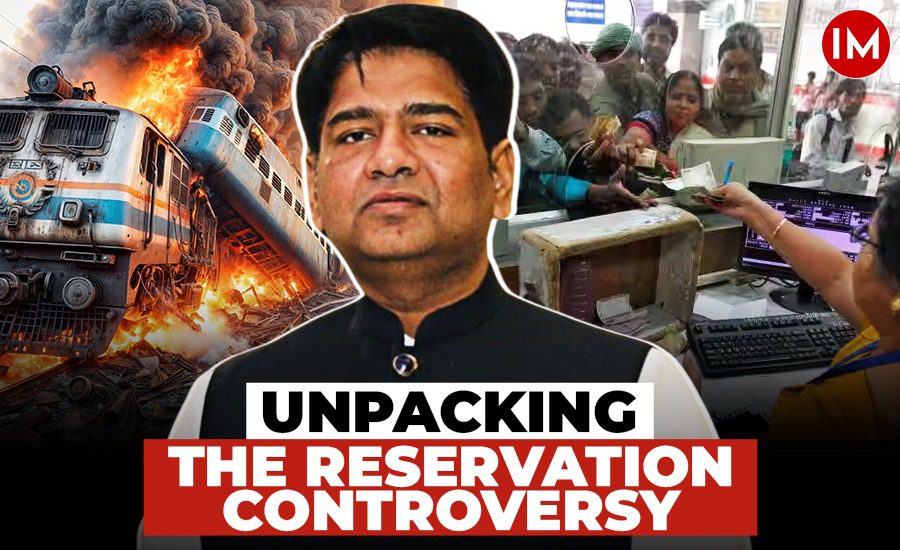
The discourse surrounding reservation policies in India often ignites heated debates, especially when linked to societal issues such as railway accidents. Recently, social media has seen a surge in narratives blaming reservation policies for train mishaps, attributing these incidents to allegedly less skilled technicians from SC/ST/OBC backgrounds. However, a closer examination of these claims reveals a different story.
IRS Nethrapal has a few things to say about this. Let’s learn more-
THE CONTROVERSIAL CIRCULAR: “BEST AMONG FAILED”
At the heart of the controversy is a circular that allowed two Scheduled Tribe (ST) candidates who secured 20% marks to be considered under the “Best Among Failed” scheme. This policy, implemented due to the unavailability of sufficient reserved candidates, has been criticized for allegedly compromising the quality of railway staff.
Social media influencers often cite this circular as evidence of reservations leading to train accidents. However, it’s crucial to understand the full context and the policy’s current status.
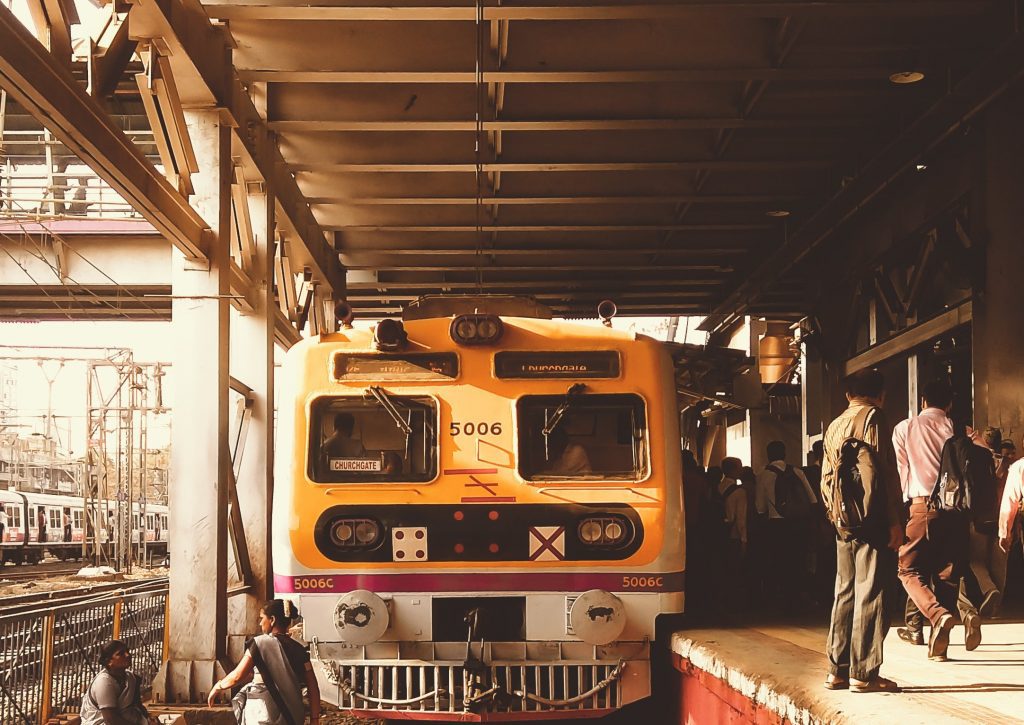
POLICY STATUS: WITHDRAWN AND MISUNDERSTOOD
“Firstly, it’s important to note that the “Best Among Failed” policy was withdrawn in 2020. Thus, the viral claims suggesting that many reserved candidates are securing positions without meeting the required marks are outdated and misleading,” Mr. Nethrapal shared with Indian Masterminds.
Furthermore, even when this policy was in place, it was limited to a small number of non-sensitive posts, primarily in administration and finance, and involved initial appointments on an ad hoc basis. Candidates were required to undergo further training and testing within six months before being regularized.
MISCONCEPTIONS AND REALITY
The persistent narrative that the “Best Among Failed” policy placed underqualified individuals in sensitive positions, such as those involving train operations and safety, is unfounded.
“These positions have always been filled based on merit and stringent qualification criteria, ensuring that train safety is not compromise,” he stated.
BROADER ACCOUNTABILITY
Blaming reservations exclusively for train accidents overlooks several critical factors. The actual causes of railway derailments and accidents are multifaceted, involving numerous technical, operational, and human errors.
A study by Ashwini Deshpande and Thomas Weisskopf (2010) provides empirical evidence that reservations do not impede efficiency or productivity in Indian Railways. On the contrary, their analysis suggests that SC/ST employees in high-level positions are positively associated with productivity growth. This indicates that individuals from marginalized groups often perform exceptionally well when given the opportunity, motivated by the desire to prove their detractors wrong.
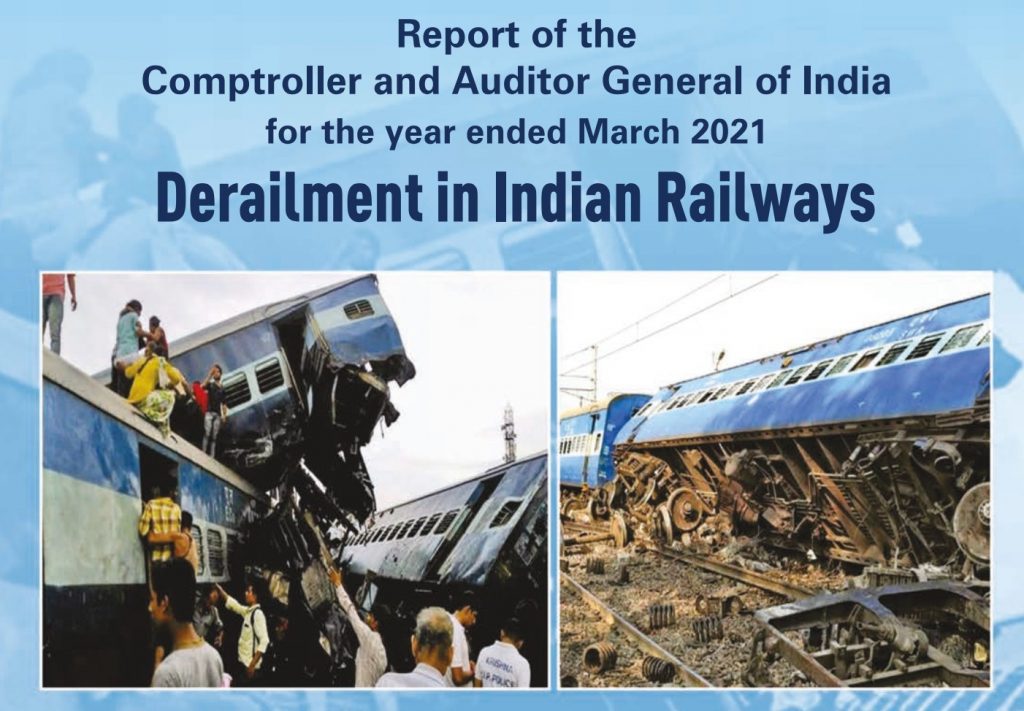
THE REAL CULPRITS: A MULTIFACETED PROBLEM
Train accidents in India stem from a complex interplay of factors, as revealed by a Comptroller and Auditor General (CAG) report:
Engineering Lapses: Poor track maintenance, including improper gauge, inadequate ballast, and faulty welds, is a major cause.
Mechanical Issues: Rolling stock defects like uneven wheel diameters and inadequate coach maintenance contribute significantly.
Human Error: Mistakes by staff, including signal mismanagement, carelessness, and alcohol abuse, play a role.
Training and Supervision Deficiencies: Lack of proper training for new technologies and lax supervision exacerbate the problem.
Communication Failures: Ineffective communication during operations and maintenance activities creates safety hazards.
The CAG report highlights the need for:
Enhanced Mechanization: Utilizing machinery for track maintenance to minimize human error.
Improved Training: Regular training programs for staff to ensure proficiency in modern techniques.
Stricter Supervision: Ensuring adherence to safety protocols and maintenance schedules.
Enhanced Coordination: Establishing robust communication channels across departments for seamless operations.
These measures, rather than scapegoating reservation policies, hold the key to improving railway safety in India.
REPRESENTATION MATTERS: A STATISTICAL LOOK
An analysis of railway derailments from 2017-2021 shows that the engineering department is responsible for approximately 39% of derailments, followed by the operating department at 17%. These statistics underscore the complex interplay of factors behind train accidents, none of which are directly related to reservation policies.
Despite the controversy, it is noteworthy that a significant majority of Group A and B officers in Indian Railways are from upper castes, with a mere 8.05% representation from OBCs, against the mandated 27%.
“This statistic challenges the narrative that reservations are to blame for inefficiencies in railway operations.”
The narrative that reservations are responsible for train accidents is unfounded and misleading. The real causes of train accidents are technical, operational, and managerial issues within the railway departments. By addressing these core issues through enhanced training, strict supervision, better coordination, and adherence to maintenance protocols, Indian Railways can significantly reduce the occurrence of derailments and improve overall safety. The vilification of reservation policies only serves to distract from these critical areas and perpetuates unjust biases against marginalized communities.
Check out the book by clicking on the link given below-
https://drive.google.com/file/d/1JUsN71-Uzf4MEKkZMzz31ZkvW7qlqKzT