In the dense wilderness of eastern India lies Similipal Tiger Reserve, one of the last strongholds of the rare melanistic tiger. Nestled in Odisha, this rich ecosystem once faced an existential crisis – rampant poaching, illegal wildlife trade, forest fires, and dwindling big cat numbers. But since 2021, a silent revolution has unfolded within its deep canopies, led by a determined officer on a mission to protect the wild at all costs.
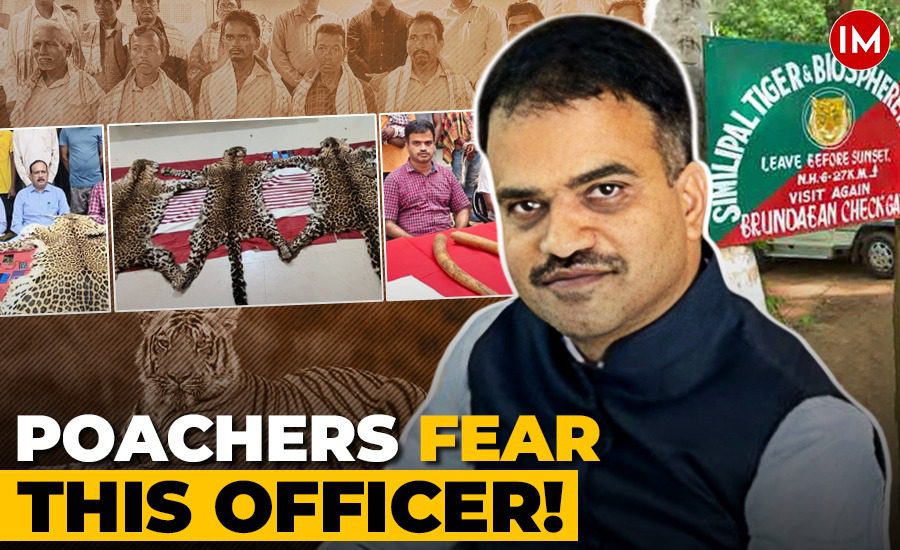
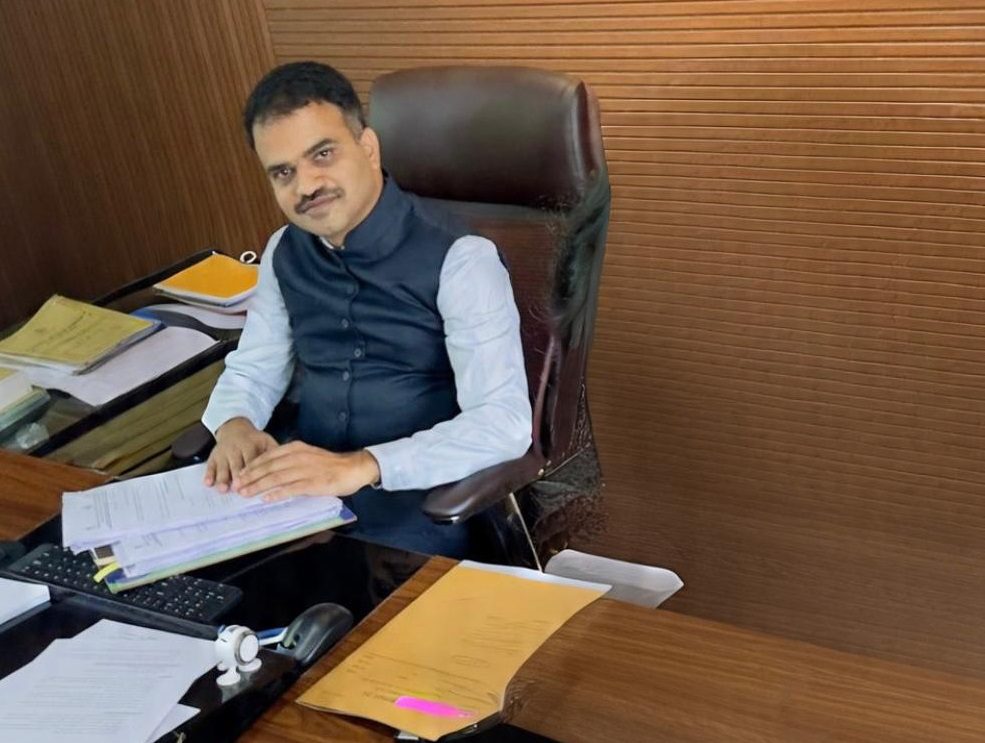
Enter Dr Samrat Gowda D.S., a 2012-batch Indian Forest Service (IFS) officer. Currently serving as Deputy Director of Similipal South Division, Dr. Gowda has turned Similipal’s grim poaching record into a story of hope and transformation. His unrelenting efforts have brought in landmark convictions, state-of-the-art surveillance, and most significantly, a sharp revival in tiger population – from just 8 tigers to nearly 40 within four years.
Indian Masterminds interacted with IFS Dr Gowda to learn more about his initiative, how it curbs poaching, and its impact on the overall well-being of wildlife.
Laying the Foundation: Strategy, Technology, and Teamwork
Upon joining Similipal in 2021, Dr Gowda was confronted with a forest reserve overwhelmed by poaching networks and demoralized staff. “When I joined, the biggest issue was elephant and tiger poaching. We had already lost two brave staff members to poacher attacks. The morale was low, and the staff had gone on strike,” he recalls.
Undeterred, Dr Gowda turned this crisis into an opportunity.
Key Initiatives Taken Under His Leadership
Formation of Special Raiding Teams: Personally led raids, boosting the morale and trust among frontline staff.
Modern Weaponry and Protection Gear: Provided INSAS, Excalibur rifles, and bulletproof jackets specially designed for Similipal’s terrain.
Trailguard AI Surveillance: Introduced AI-powered motion-sensor cameras capable of sending real-time images of poachers to control rooms.
Dedicated Intelligence Wing – SWIN: Launched the Similipal Wildlife Intelligence Network, a first-of-its-kind internal wing to track poachers using village-level data and social profiling.
Court-Ready Documentation: Focused on detailed, court-admissible documentation, resulting in Similipal’s first-ever convictions for wildlife crime.
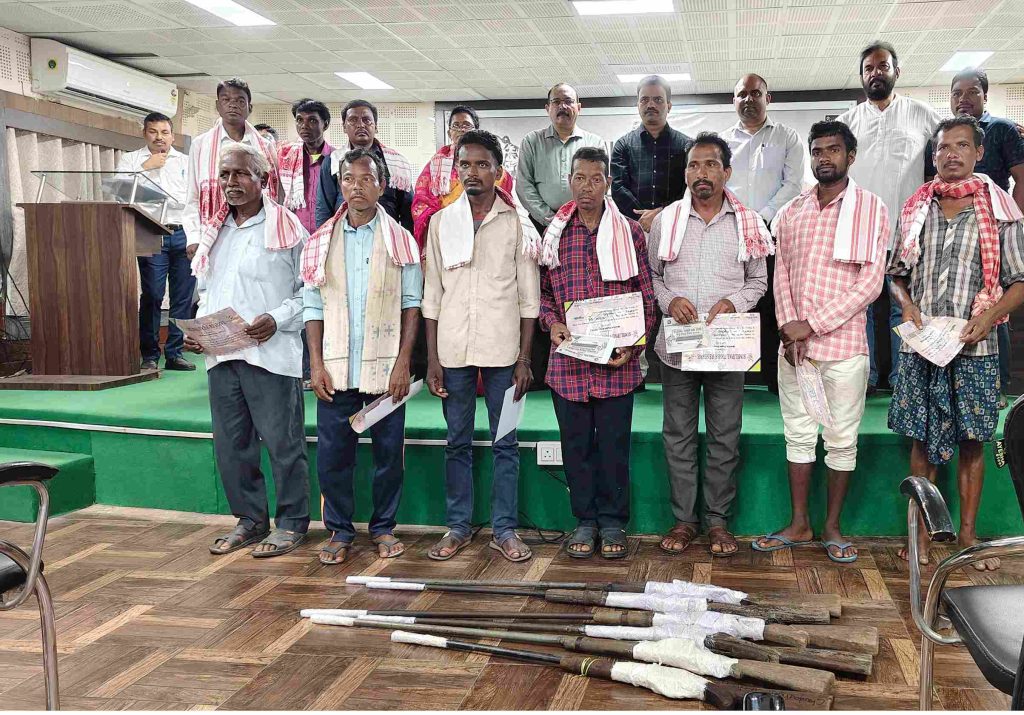
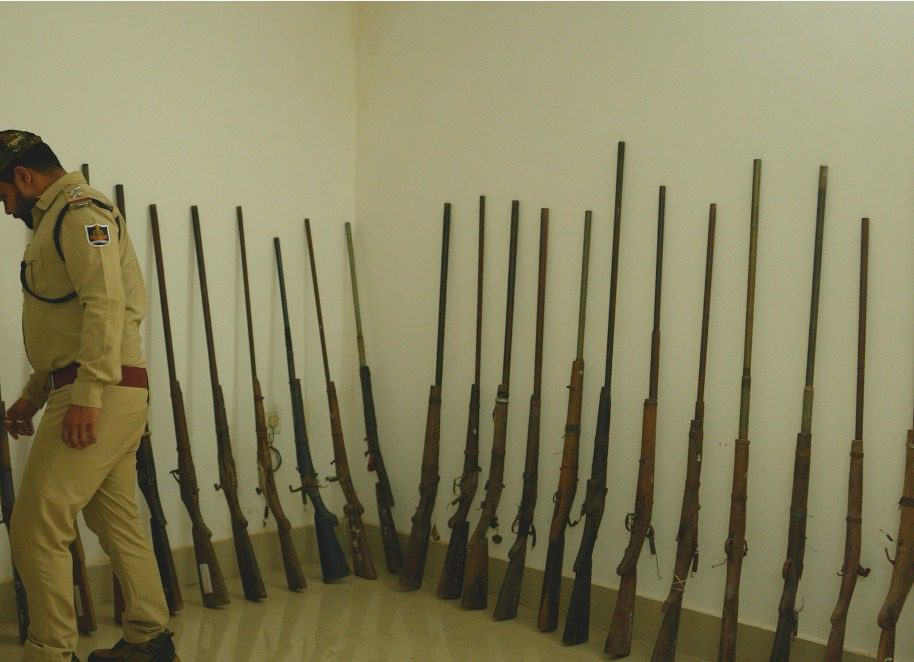
Community Integration and Gun Surrender Drives: Organized meetings with village heads, leading to voluntary surrender of over 80 firearms.
“We gave our staff proper in-house training. We separated the motivated ones and created a dedicated raiding team. Once we got the first conviction, the momentum picked up,” says Dr Gowda.
Landmark Achievements: Numbers That Speak
Under Dr. Gowda’s mission-mode leadership, Similipal witnessed an unprecedented crackdown on poaching.
Enforcement Results Over 3 Years–
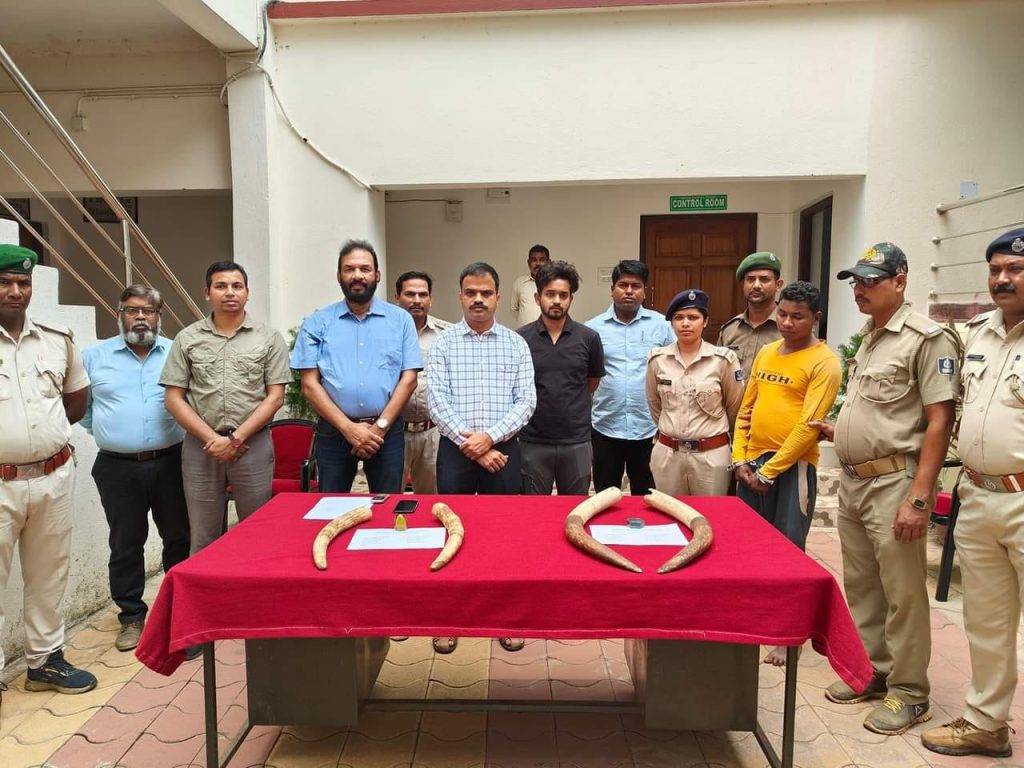
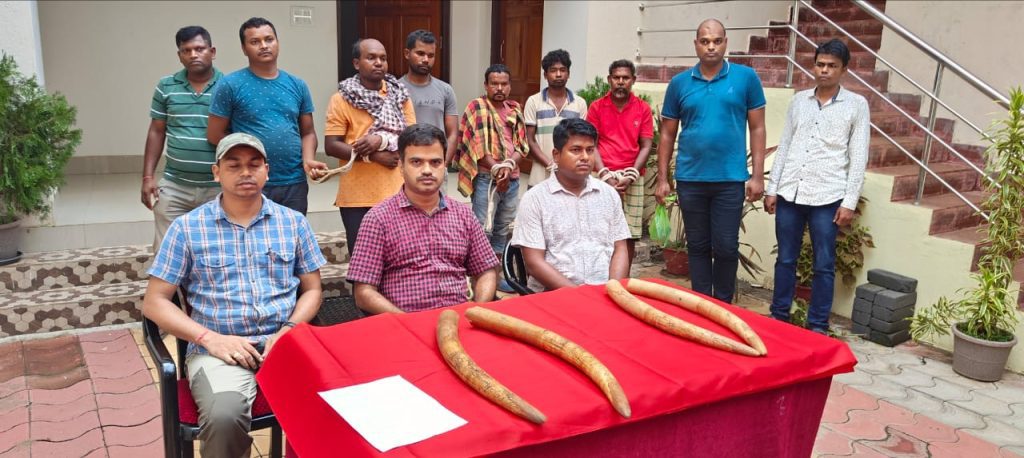
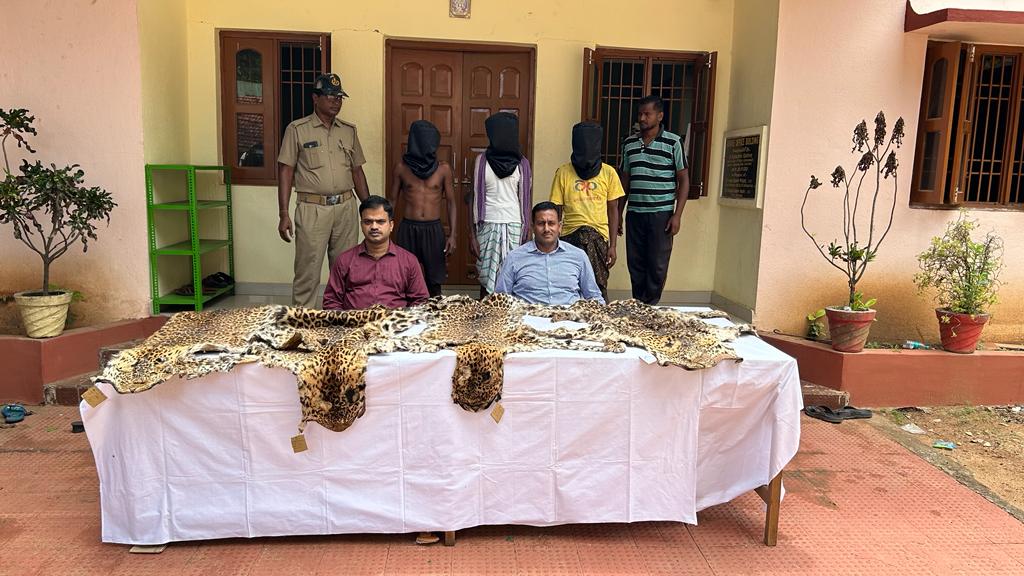
- Poachers Arrested: 343
- Guns Seized: 170
- Voluntary Gun Surrenders: 80+
- Elephant Tusks Seized: 20 pieces
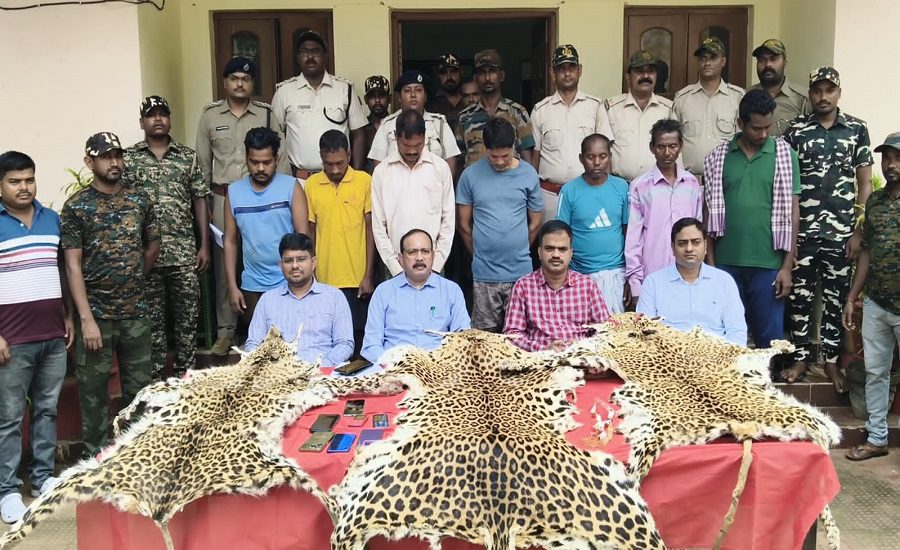
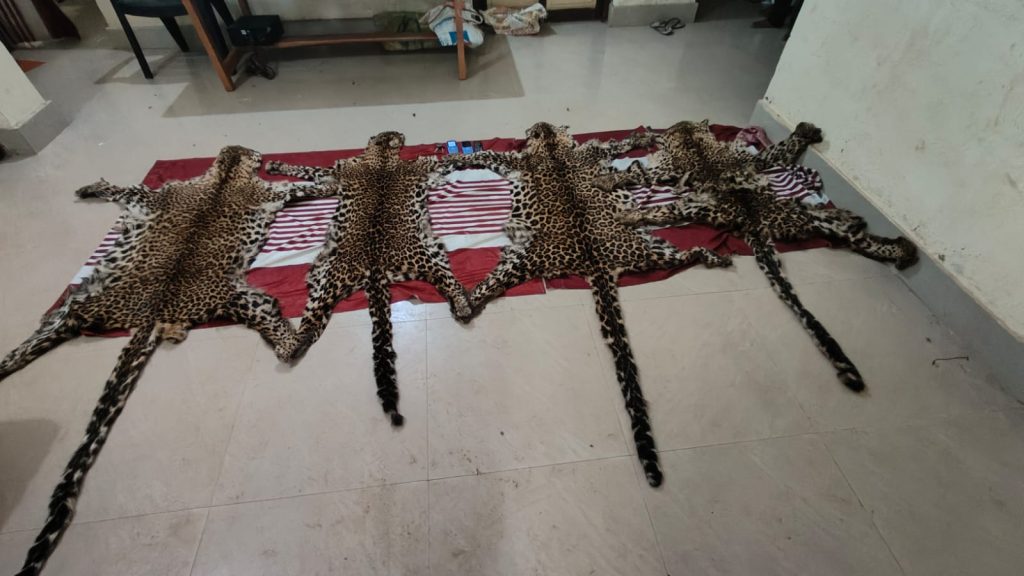
- Leopard Skins: 15
- Tiger Skins: 3
- Pangolin Scales: 34 kg
- Live Pangolins Rescued: 1
Historic Court Convictions–
Three major cases resulted in convictions with three years of rigorous imprisonment – a first in Similipal’s history and a major deterrent for organized wildlife crime.
“Getting a conviction in forest cases is very difficult. But with proper documentation and team coordination, we made it happen,” says Dr Gowda proudly.
Tech-Driven Firefighting: Another Win for Conservation
While poaching remained a top concern, forest fires also posed a significant threat. In 2020, Similipal made international headlines due to massive forest fires with over 2,000 fire points. Under Dr Gowda, this scenario changed dramatically.
Using AI-enabled 360-degree cameras with 15 km range, his team now gets real-time fire alerts, far faster than traditional satellite inputs. Drones deployed at range-levels further enhance response efficiency.
“Last season, we recorded the lowest number of fire points in a decade – just 60–70, all of which were controlled in time,” he explains. “Our fire response rate is now 100%.”
Relocation, Tiger Revival, and Future Vision
In another critical step, Dr Gowda’s team successfully relocated a village from the reserve’s core area. This paved the way for declaring Similipal’s core zone a National Park in 2025, giving it enhanced legal protection.
Simultaneously, camera trap data and census estimates suggest a staggering increase in tiger numbers – from 8 in 2021 to nearly 40 in 2025. Additionally, two tigers were translocated from Maharashtra to aid genetic diversity.
“All this is because of one reason – protection. Without safety, no conservation model works,” Dr Gowda affirms.
Cultural Shift: Changing Attitudes at the Grassroots
Dr Gowda acknowledges that poaching was deeply ingrained in local tribal communities, many of whom rely on non-vegetarian diets and hunting traditions. But change was possible.
Through village-level outreach, regular meetings with sarpanches, and inclusive dialogue, Dr Gowda turned former poachers into informants and protectors. “Today, many of them come to our office on their own, surrendering guns and seeking help to start afresh,” he shares.
A Tribute to Fallen Heroes
In this battle to protect wildlife, two brave staff members – one deputy ranger and one forest guard – lost their lives. Dr Gowda is quick to deflect praise, giving credit to his field staff.
“The real heroes are my team. Without their courage, we wouldn’t have made this progress. This success belongs to them,” he says solemnly.
A Model Worth Replicating
Similipal’s story under Dr. Samrat Gowda is not just about stopping poaching – it’s about hope, innovation, and resilience. With national recognition, improved tiger numbers, and near-zero elephant poaching, Similipal today stands tall as a model of conservation success in India.
From forest fires to courtrooms, from deep forests to village councils, Dr Gowda’s holistic approach has breathed new life into a once-threatened reserve.
“We still have a long way to go,” he says. “But now, at least, the forest is fighting back – with us, not against us.”