On August 17, 2024, the UPSC issued a notification that ignited a nationwide controversy. The advertisement announced the recruitment of 45 positions at the levels of Joint Secretary, Deputy Secretary, and Director through lateral entry. This sparked debate because these high-ranking posts are traditionally filled by IAS, IPS, and IFS officers, who are selected through the UPSC CSE and UPSC IFoS exams. In response to the backlash, the central government decided to halt the advertisement for lateral entry positions.
Lateral recruitment allows candidates to be hired without having to pass the UPSC exams and does not adhere to reservation policies. However, this was not the first instance of such recruitment; notable examples include the appointment of former Prime Minister Manmohan Singh as Finance Secretary in 1976 by the Indira Gandhi government, a position typically reserved for senior IAS officers.
Indian Masterminds explores this issue further and provides a list of some of the most significant and noteworthy instances of lateral entry into the Indian bureaucracy.
IMPACT IN INDIAN BUREAUCRACY
The proposed 45 posts for lateral entry into the bureaucracy, as advertised, represent only 0.5 percent of the Indian Administrative Service cadre, which comprises over 4,500 officers.
Though examples of lateral entries into the Indian bureaucracy can be traced back to the 1970s, it is commonly believed that the concept was formally introduced in 2005. This initiative received strong endorsement from the Second Administrative Reforms Commission, which was established that same year and chaired by Veerappa Moily. The ARC, under the UPA government, recommended that experts be appointed to positions requiring specialized knowledge.
However, a significant concern surrounding these lateral entries is that they potentially undermine the reservation rights of OBCs, SCs, and STs, raising issues of equity and representation in the recruitment process.
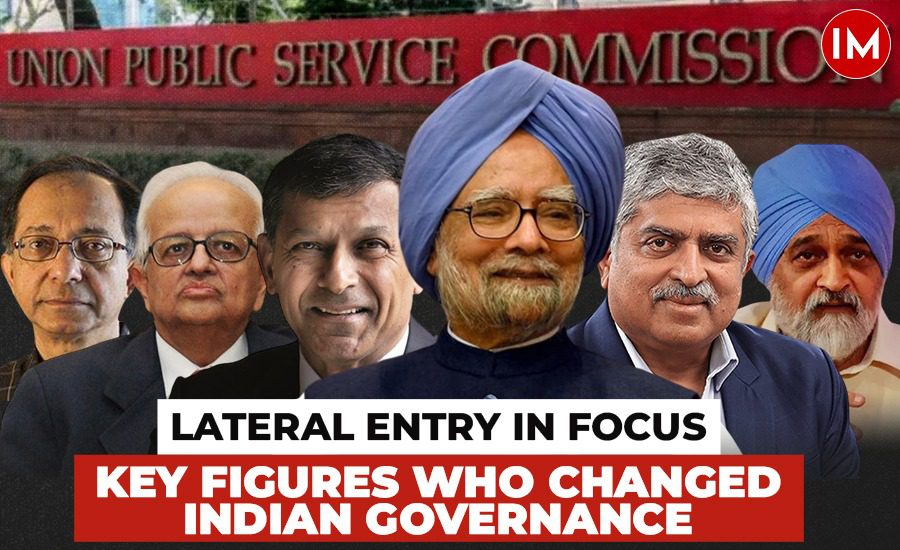
Notable figures such as technocrat Sam Pitroda and economists Bimal Jalan, Kaushik Basu, Arvind Virmani, and Raghuram Rajan are among those who have entered the bureaucracy through lateral entry.
NOTABLE FIGURES–
MANMOHAN SINGH
One of the most notable early examples of lateral entry in India is Dr. Manmohan Singh. Before becoming Prime Minister, Dr. Singh was brought into government service as a lateral entry in 1971 when he was appointed as an Economic Advisor in the Ministry of Foreign Trade. Prior to this, he was an economics professor at Delhi University. Recognizing his expertise, Prime Minister Indira Gandhi selected him for this role, bypassing the traditional UPSC Civil Services examination.
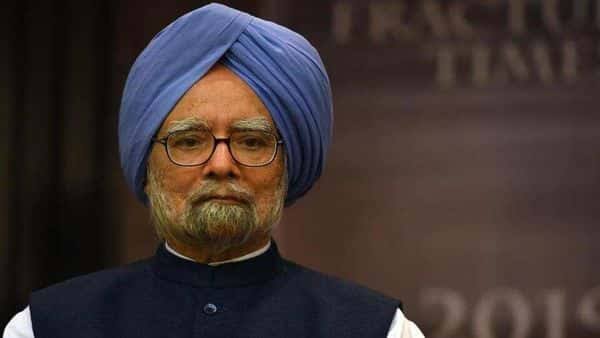
In 1976, Dr. Singh was directly appointed as the Finance Secretary of India-a position typically reserved for senior IAS officers. His appointment marked a significant departure from the norm. Dr. Singh later served as Finance Minister in 1991, playing a pivotal role in India’s economic liberalization and reforms.
SAM PITRODA
Mr. Sam Pitroda is a prominent Indian telecommunication engineer and entrepreneur who was brought into the Indian government during the 1980s under Prime Minister Rajiv Gandhi. He served as the Chairman of the National Knowledge Commission and as an advisor on Public Information Infrastructure and Innovations.
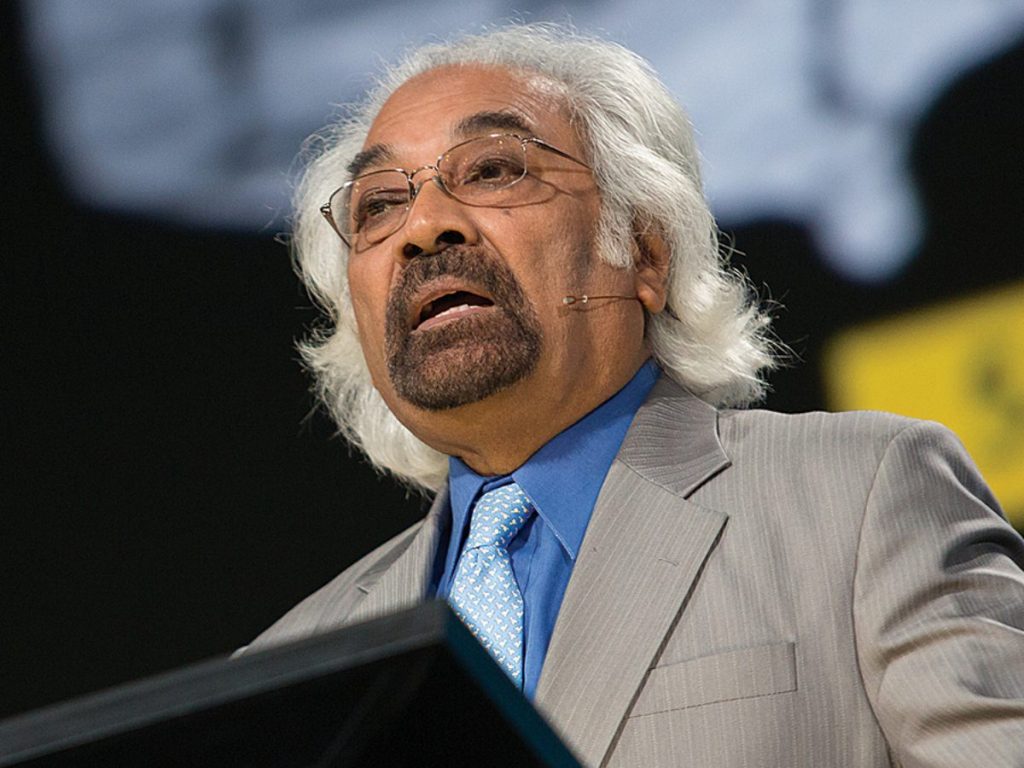
Born in Titlagarh, Odisha, to a Gujarati family, Pitroda has had a distinguished career beyond his government roles. He served as an advisor to Prime Minister Manmohan Singh and also worked with the United Nations.
Pitroda is widely recognized for his pivotal role in India’s telecom revolution and is credited with being a pioneer in hand-held computing, having invented the electronic diary in 1975. He currently serves as the Chairman of the Indian Overseas Congress.
MONTEK SINGH AHLUWALIA
Mr Ahluwalia is a distinguished Indian economist and civil servant who served as the Deputy Chairman of the Planning Commission of India from 2004 to 2014. This role, which held the rank of a Cabinet Minister, was crucial in shaping India’s economic policies and planning.
He resigned from this position in May 2014, coinciding with the end of the UPA-II regime at the center.
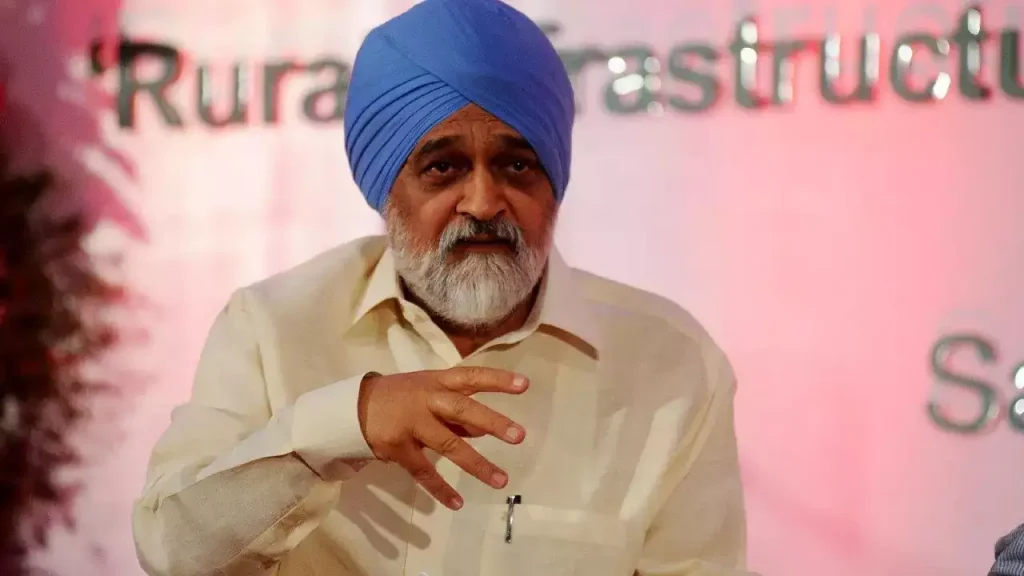
Born in November 1943 in Rawalpindi, Punjab Province, British India, Ahluwalia made a notable transition from academia and international organizations into government roles. His career exemplifies a combination of economic acumen and public service, significantly impacting India’s development policies over the years. Notably, he was also the first Director of the Independent Evaluation Office at the International Monetary Fund.
BIMAL JALAN
Bimal Jalan, born on August 17, 1941, in Sadulpur, Bikaner State, British India, is a prominent former Governor of the Reserve Bank of India (RBI).
He served two terms as the RBI Governor. His first term was from November 22, 1997, to November 21, 2002, and he was reappointed for a second term from November 22, 2002, to November 21, 2004. During his tenure, the Indian Rupee note of 1000 denomination was introduced.
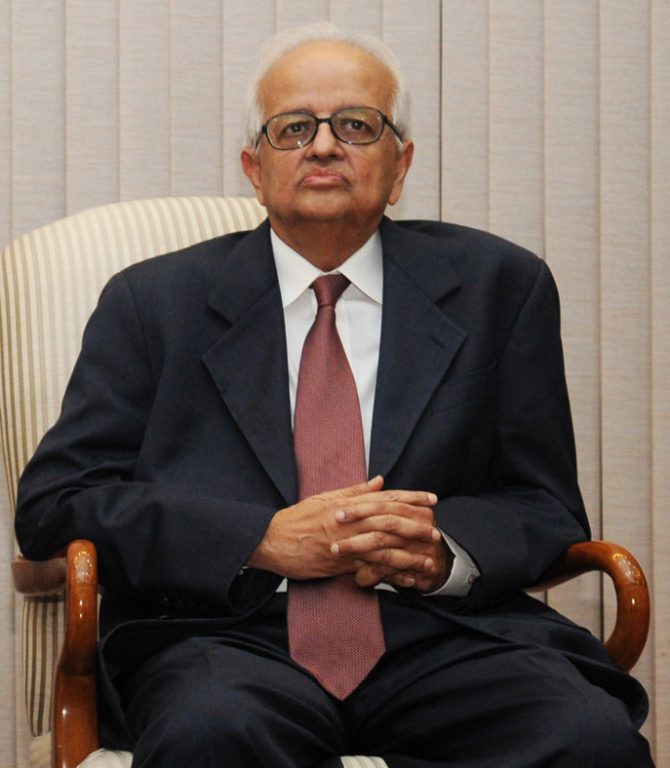
An accomplished economist, Jalan’s career includes significant roles in international institutions such as the IMF and the World Bank. Before his tenure at the Reserve Bank of India, he served as the Chief Economic Advisor, contributing extensively to India’s economic policy and financial regulation.
KAUSHIK BASU
Mr. Kaushik Basu, a distinguished academic economist, served as the Chief Economist of the World Bank from 2012 to 2016 and was the Chief Economic Adviser (CEA) to the Government of India from 2009 to 2012 during the UPA’s second term.
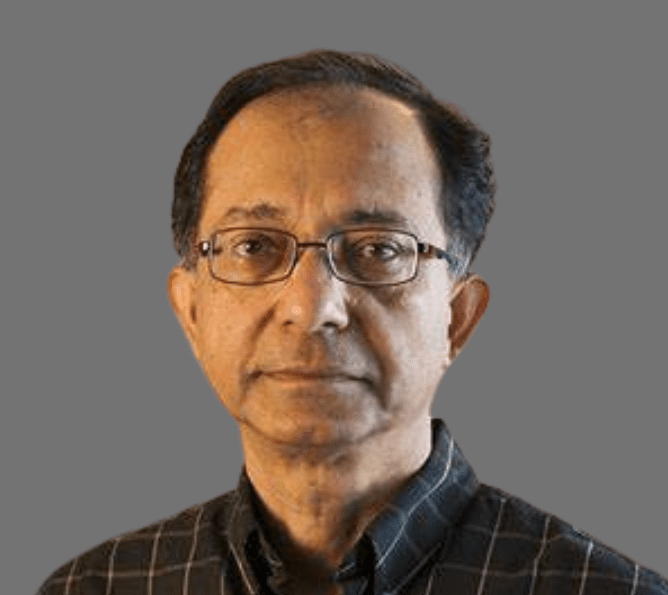
Born in Kolkata, India, where he attended St. Xavier’s Collegiate School, Basu built a prominent career in academia before his government appointment. His tenure as Chief Economic Adviser in India was followed by his role at the World Bank, where he continued to shape global economic policy.
RAGHURAM RAJAN
Mr. Raghuram Rajan is a prominent economist who served as the Chief Economist at the International Monetary Fund (IMF) before being appointed as the Chief Economic Adviser to the Ministry of Finance in 2012. He was brought into the government to help steer economic policy during a challenging period and later served as the Governor of the Reserve Bank of India (RBI) from 2013 to 2016.
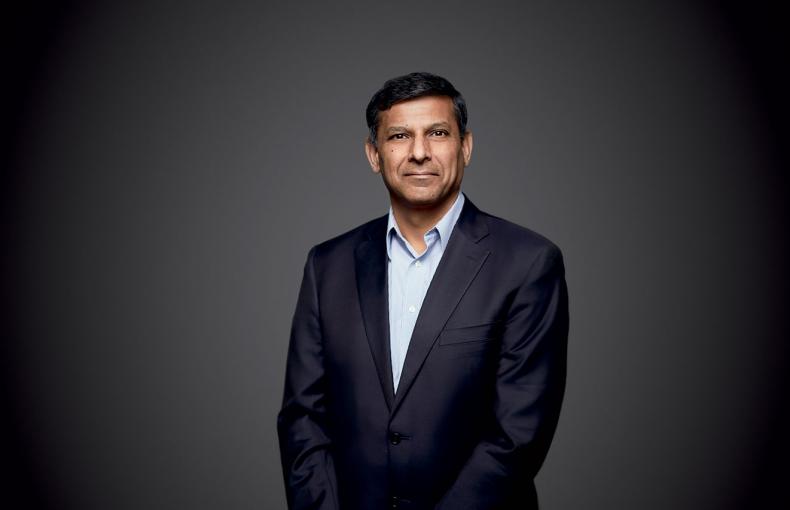
Born in February 1963 in Bhopal, Madhya Pradesh, Rajan graduated in 1985, earning the Director’s Gold Medal as the best all-round student. In 1987, he obtained a Post Graduate Diploma in Management (equivalent to an MBA) from the Indian Institute of Management Ahmedabad, graduating with a gold medal for academic excellence.
Initially joining the Tata Administrative Services as a management trainee, Rajan left after a few months to pursue a doctoral program at the Sloan School of Management at the Massachusetts Institute of Technology.
NANDAN NILEKANI
Mr Nilekani, co-founder of Infosys, was appointed as the head of the Unique Identification Authority of India (UIDAI) in 2009 at the invitation of Prime Minister Dr. Manmohan Singh. In this cabinet-ranking position, Nilekani was tasked with steering the Aadhaar project.
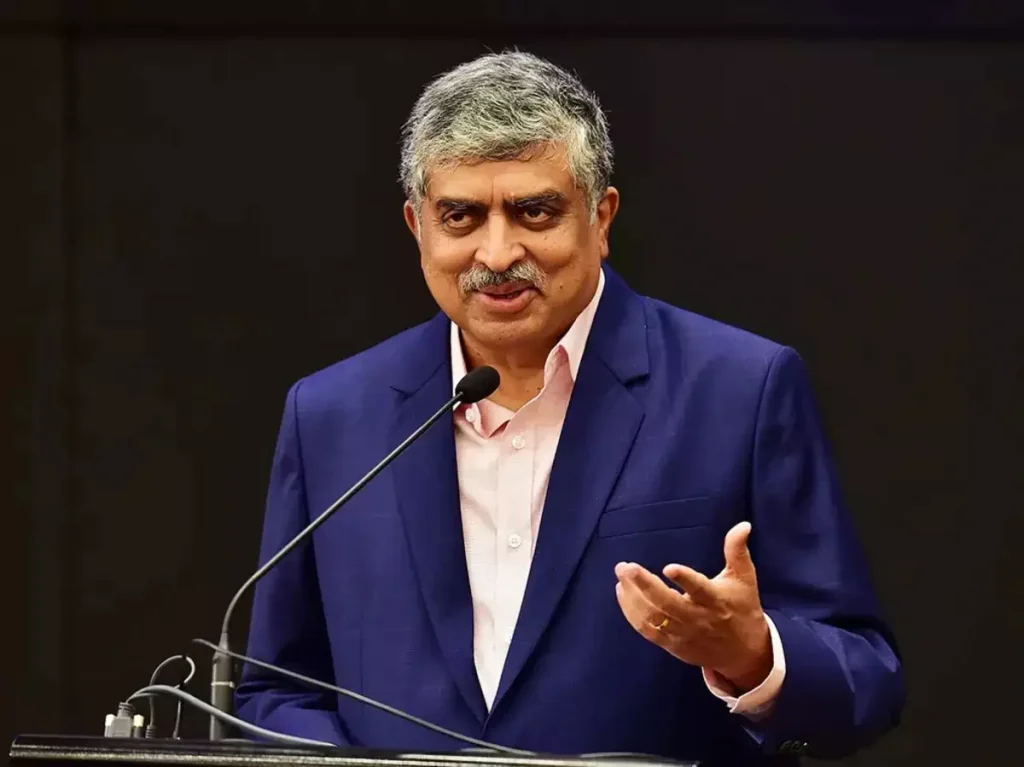
Under his leadership, Aadhaar – a biometric ID system that includes a comprehensive database of demographic information and home addresses of Indian residents—was developed. By April 2017, over 1.14 billion Indians had received their Aadhaar ID numbers. In 2016, World Bank Chief Economist Paul Romer praised Aadhaar as “the most sophisticated ID programme in the world.”
Born in Bangalore, Mysore State (now Karnataka), Mr Nilekani served as the CEO of Infosys from March 2002 to April 2007. During his five-year tenure, the company’s topline grew sixfold, reaching $3 billion.
ARVIND VIRMANI
Mr Virmani is a distinguished economist with a notable career in academia and international economic institutions. He has been serving as a full-time Member of NITI Aayog since November 2022.
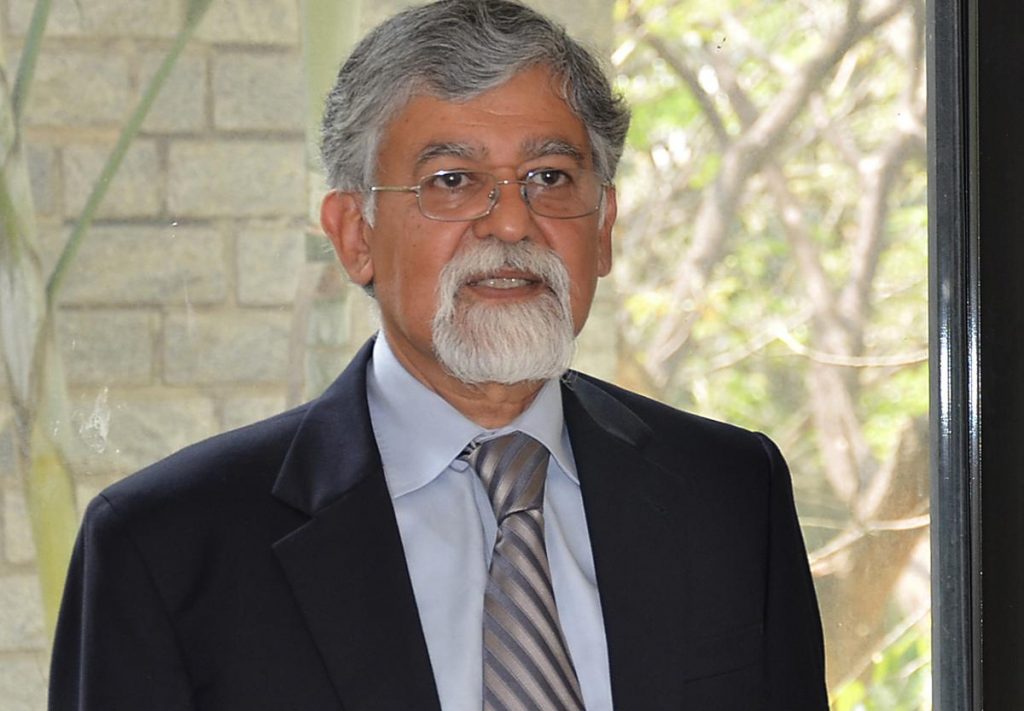
Mr. Virmani was appointed as the Chief Economic Advisor to the Government of India from 2007 to 2009. Prior to this role, he also served as the Chief Economic Advisor, contributing significantly to India’s economic policy.
Born on June 22, 1949, Virmani’s family relocated to Delhi’s Jhandewalan area following the Partition. He graduated with a degree in Physics from St. Stephen’s College, Delhi, and pursued further studies in Electronics and Economics at the California Institute of Technology. He completed his MA and PhD in Economics from Harvard University in 1975, under the supervision of Nobel laureate Kenneth Arrow.
V KRISHNAMURTHY
Mr. Krishnamurthy is a prominent technocrat who played a pivotal role in shaping India’s industrial policy. He was appointed to key government roles, including Chairman of Bharat Heavy Electricals Limited (BHEL) and later Maruti Udyog. Additionally, he served as Chairman of the National Manufacturing Competitiveness Council. Although his background was in engineering services, these roles were typically reserved for IAS officers.
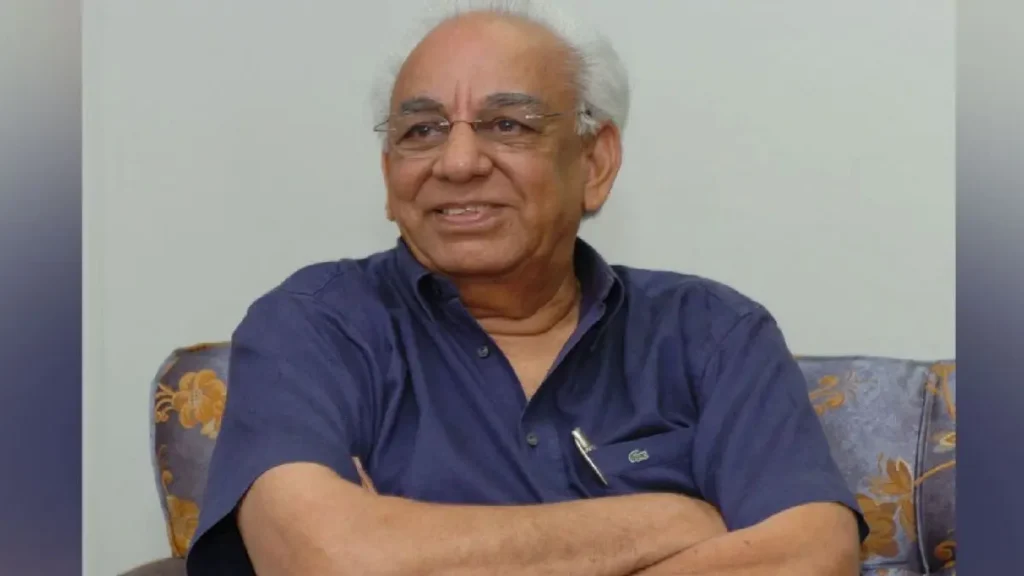
He completed a three-year diploma in electrical engineering from CNT Technical Institute in 1943. After passing the competitive examination conducted by UPSC, he joined the Central Engineering Services in 1955. Mr. Krishnamurthy also earned a Doctorate in Economics from the Soviet Academy of Sciences. He passed away on June 26, 2022, at the age of 97, in Chennai.