20 November 2026
ADVERTISEMENT
ADVERTISEMENT

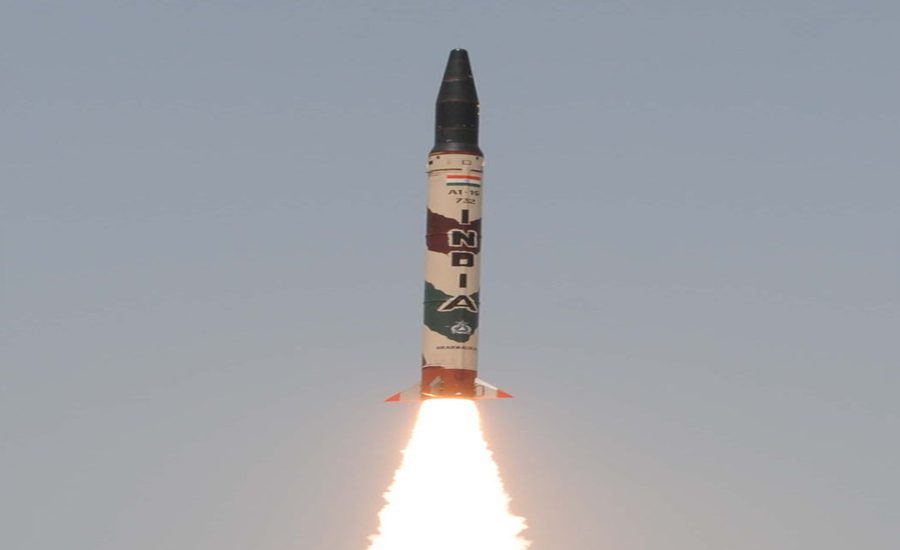
Inside Agni-1 Missile Test: Key Details You Should Know

India tests Agni-1 missile successfully from Odisha coast. The DRDO-led launch confirms strong defence capability and advanced missile technology.
Agni 1 missile test
Indian Masterminds Stories

Odisha: India has successfully conducted a test launch of the Agni-1 short-range ballistic missile from the Chandipur coast in Odisha. The test, carried out under the supervision of the Strategic Forces Command and DRDO, confirms India’s growing strength in missile technology and defence readiness.

Key Highlights of Agni-1 Missile Test

  • Missile: Agni-1 (Short-Range Ballistic Missile)
  • Location: Chandipur, Odisha (Integrated Test Range)
  • Conducted by: DRDO & Strategic Forces Command (SFC)
  • Range: Up to 2,000 km
  • Launch Type: Rail-based mobile launcher
  • Tracking: Ground-based tracking systems
  • Result: Successful, all objectives achieved

Read also: What is ULPGM-V3 Missile? DRDO’s New Missile That Can Destroy Tanks and Drones

  • India tested the Agni-1 missile successfully from Odisha’s coast.
  • The test was conducted under real operational conditions.
  • All technical and operational parameters were validated.
  • The launch was monitored by official defence teams and scientists.

Agni-1 Missile Test: Official Confirmation

  • According to the Ministry of Defence, the test met all mission goals.
  • The missile was tracked by multiple ground stations.
  • Officials called it a “textbook launch” with perfect performance.

What are the Features of Agni-1 Missile

  • Range: Up to 2,000 km
  • Capable of carrying various payloads
  • High mobility with rail-based launch system
  • Quick reaction capability
  • Advanced communication and protection systems

Why Rail-Based Launch Matters in Agni-1 Missile Test

  • Can move across long distances using railway networks
  • Improves strategic flexibility
  • Allows quick deployment in different locations
  • Enhances survivability in conflict scenarios

Strategic Importance

  • Strengthens India’s nuclear deterrence capability
  • Improves second-strike capability
  • Places India among advanced missile nations
  • Boosts indigenous defence technology (Make in India)

Read also: Inside HAL G3INS Hub: How India Is Building GPS-Resistant Defence Technology

Indian Masterminds Stories
Join our WhatsApp Channel
ADVERTISEMENT
ADVERTISEMENT
Related Stories
ADVERTISEMENT
ADVERTISEMENT
NEWS
hurl
HURL Managing Director Visits Sindri Unit, Reviews Operations and Celebrates FAI Performance Award
BEL BRIDGE 2026-
Bharat Electronics Organises BRIDGE 2026 in New Delhi to Strengthen Global Defence Partnerships
IGL Clean Energy Infrastructure
IGL Highlights Clean Energy Infrastructure and Multi-Fuel Energy Mix at ASSOCHAM Delhi Connects 2026
West Bengal OBC Reservation
West Bengal: Siliguri Plans ₹33 Crore Infrastructure Push, 58 Road Projects and Civic Service Reforms on Agenda
pnb
PNB Inaugurates Next Gen Branch to Enhance Digital Banking and Customer Experience
IPS Abhijeet Ranjan
Who Is IPS Abhijeet Ranjan? 2014-Batch Madhya Pradesh Cadre Officer Under Home Ministry's Inquiry Radar
IPS Arshad Ali
Who Is DIG Arshad Ali? Rajasthan IPS Officer Whose Wife Zarina Khan Lost Panchayat Election by 1,627 Votes
Indian Railways Digital Life Certificate Campaign 5
Indian Railways Holds Mega Pension Camp in Delhi, Generates 58 Digital Life Certificates Through Face Authentication
ADVERTISEMENT
ADVERTISEMENT
Videos
Five years after Kargil, India sent its cricketing heroes to Pakistan where terrorism posed a deadly threat. The man guarding them, former Special Director of Intelligence Bureau, Mr. Yashovardhan Azad, reveals what all went behind the scenes during that crucial tour. 
Trust No One, Said His Instinct in Pakistan
Gajendra Singh Shekhawat
How India Plans to Boost Tourism, Create Jobs and Ease Overcrowding : Gajendra Singh Shekhawat on the Road to 2047
Dr Saket Badola IFS
Beyond Tigers and Safaris: How Corbett Literature Festival Wants to Change the Conservation Conversation
ADVERTISEMENT
UPSC Stories
Mayank Gurjar
He Lost His Father in Class 12, Then Cleared UPSC in One Attempt to Become an IPS Officer
After losing his father in Class 12, Mayank Gurjar held on to his dream of public service, graduated...
Gautam UPSC
He Studied at 4 AM in a 10×10 Mumbai Slum Room; Today, Gautam Padibhar is an Indian Forest Service Officer
Meet IFS officer Gautam Padhibhar, a 2023-batch Chhattisgarh cadre officer who rose from financial hardship...
Aniket Sagar ICoAS
No Coaching, Full-Time Job and Two Attempts: How Aniket Sagar Cleared ICoAS
Aniket Sagar, a chartered accountant from Bundelkhand, cleared UPSC ICoAS 2025 after working at PwC,...
CSR NEWS
NBCC CSR Medical Equipment
NBCC India Hands Over CSR-Sponsored Medical Equipment to Mokokchung District Hospital in Nagaland 
The CSR initiative aims to improve medical infrastructure at the district hospital, which serves patients...
Coal India CSR Programme
Coal India Organises CSR Programme to Align Mining Operations with Community Development 
Initiative Aims to Strengthen CSR Implementation in Coal-Bearing Regions and Improve Community Well-Being...
hurl
HURL Signs MoU with Injot Trust to Launch Project ANGOR for Children's Education in Assam
The three-year CSR initiative will cover five locations in Assam, focusing on holistic education, digital...
ADVERTISEMENT
ADVERTISEMENT
ADVERTISEMENT
Latest
hurl
HURL Managing Director Visits Sindri Unit, Reviews Operations and Celebrates FAI Performance Award
BEL BRIDGE 2026-
Bharat Electronics Organises BRIDGE 2026 in New Delhi to Strengthen Global Defence Partnerships
ADVERTISEMENT
ADVERTISEMENT
ADVERTISEMENT
ADVERTISEMENT
ADVERTISEMENT
ADVERTISEMENT
ADVERTISEMENT
Videos
Five years after Kargil, India sent its cricketing heroes to Pakistan where terrorism posed a deadly threat. The man guarding them, former Special Director of Intelligence Bureau, Mr. Yashovardhan Azad, reveals what all went behind the scenes during that crucial tour. 
Gajendra Singh Shekhawat
Dr Saket Badola IFS
ADVERTISEMENT
ADVERTISEMENT