Uttar Pradesh: The Allahabad High Court has strongly criticised the Uttar Pradesh Police for repeated failures of CCTV cameras at police stations, terming explanations provided as “fictional stories” and ordering a Chief Secretary-level inquiry into the matter.
The move emphasises police accountability and the vital role of CCTV footage in justice delivery — especially when it is required as evidence. The High Court’s direction reflects growing judicial concern over lapses in preserving crucial digital evidence.
UP Police CCTV Failure Case: High Court’s Strong Reaction
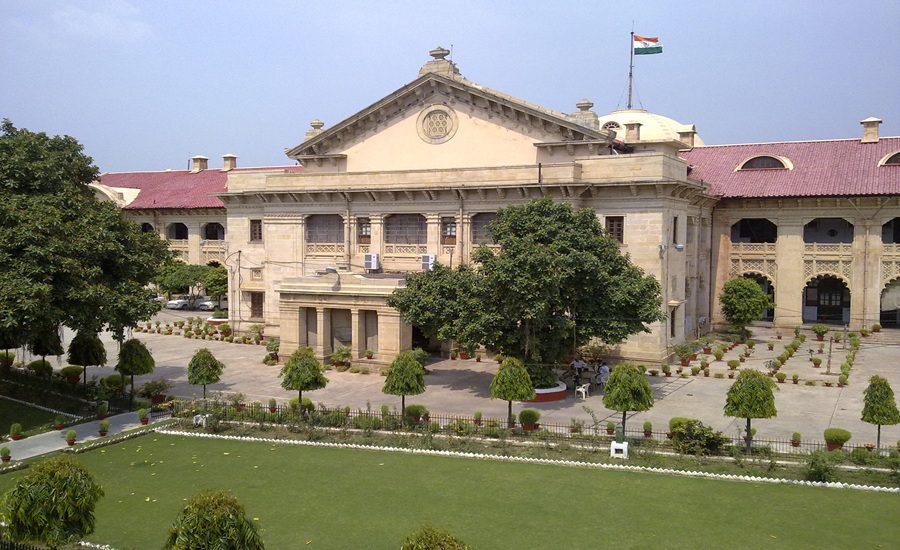
The Allahabad High Court (Lucknow Bench) has expressed serious concern over repeated reports of CCTV cameras not working in police stations across Uttar Pradesh. The Court noted that these glitches appear consistently only when CCTV footage is needed by courts, raising suspicions about the authenticity of police explanations.
A division bench of Justice Abdul Moin and Justice Babita Rani condemned this trend, saying that the claims of camera failures seem to be “fictional stories” made to escape the legal requirement to preserve and produce footage when demanded by courts.
UP Police CCTV Failure Case: Famous James Bond Quote Highlighted
In a rare and pointed judicial remark, the High Court quoted a line popularised by Ian Fleming’s James Bond movie Goldfinger:
“Once is happenstance, twice is coincidence, three times is enemy action.”
This quote was used to underscore the improbability of repeated camera failures coinciding only when footage was needed in court.
Accountability: Top-Level Police Responsible
The Court stressed that accountability cannot end with junior officers. Instead, it should flow from the top down — from senior police officers to the lowest rank — just like the “law of gravity” that the bench referenced.
To ensure clear responsibility, the Court has directed the Uttar Pradesh Chief Secretary to investigate the matter personally and submit a report. The inquiry must also recommend guidelines to hold senior police officials accountable for CCTV preservation and functionality.
Background of UP Police CCTV Failure Case
The legal dispute began with a writ petition filed by Shyam Sundar, a 56-year-old man with a 40% disability, alleging brutal assault and custodial torture by police in Sultanpur District. He sought preservation of CCTV footage from the station to prove his claims.
However, when the High Court asked for the footage, police reported that cameras had been non-functional for months, which the court called “patently strange”. There were no official records about the cameras being switched off or any effort to fix them until the Court intervened.
Legal Standards on CCTV Preservation
The bench noted that the police conduct violates established legal requirements:
1. Supreme Court precedent: A landmark judgment requires that CCTV footage be preserved for 6 to 18 months to ensure evidence is available when needed.
2. UP Police Directive: A June 2025 circular mandates that CCTV footage be preserved for at least two and a half months.
The Court said ignoring these obligations undermines legal processes and public trust.
What the Court Has Ordered in UP Police CCTV Failure Case
To curb “negligence and carelessness”, the High Court has:
- Directed the Chief Secretary of Uttar Pradesh to inquire into CCTV failures personally.
- Ordered guidelines to fix responsibility on senior officials such as Superintendents or Commissioners of Police.
- Set a deadline of February 23, 2026, for submission of a report and guidelines in a personal affidavit.
- Warned that failure to comply would require personal appearance before the Court.