Patna: Bihar Police is strengthening its approach to gender-responsive policing, with senior officials urging personnel to treat every victim who approaches a police station with dignity, patience and sensitivity.
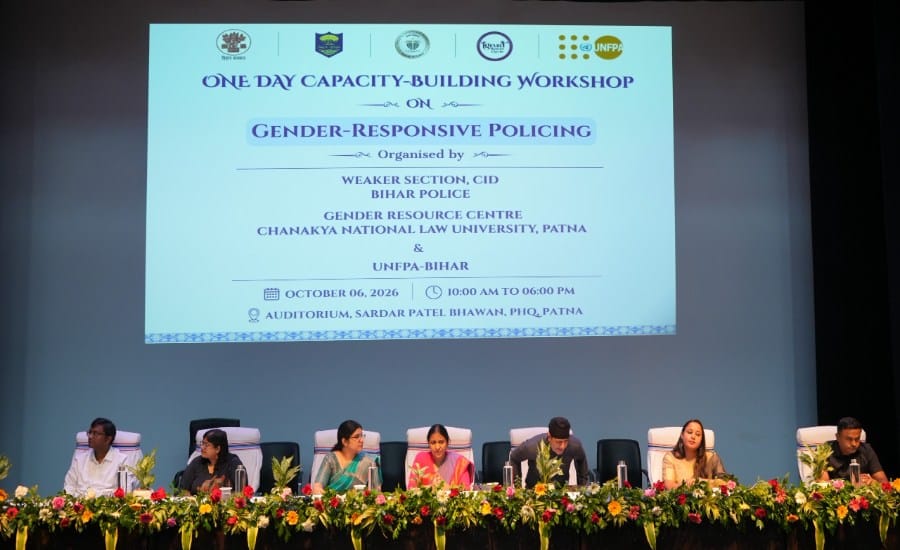
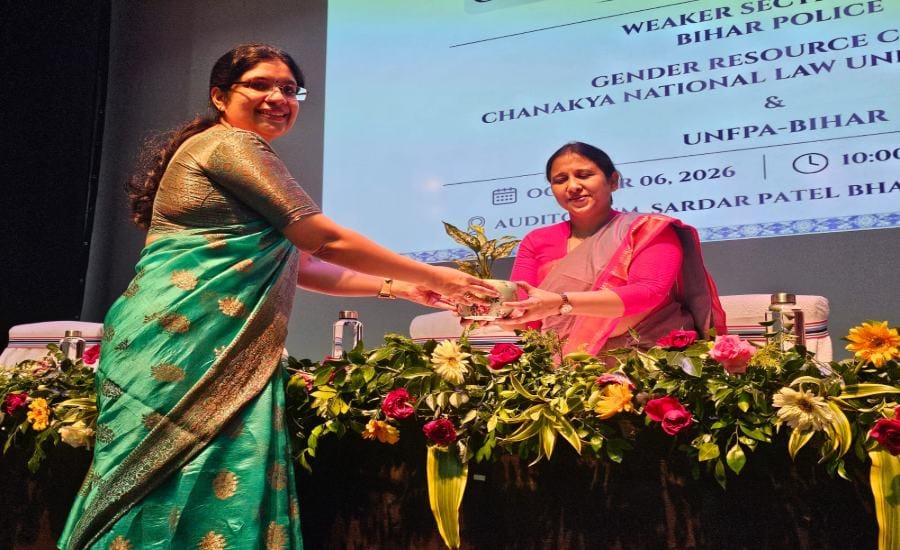
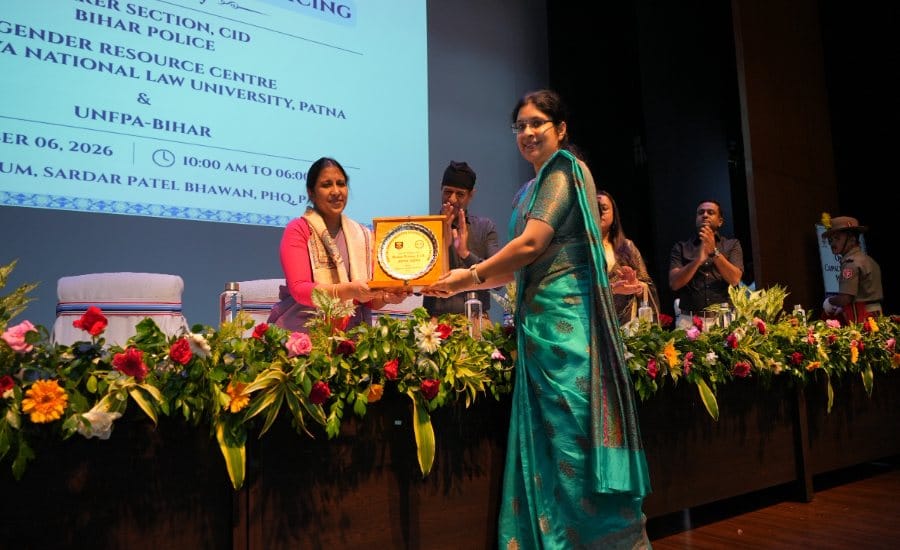
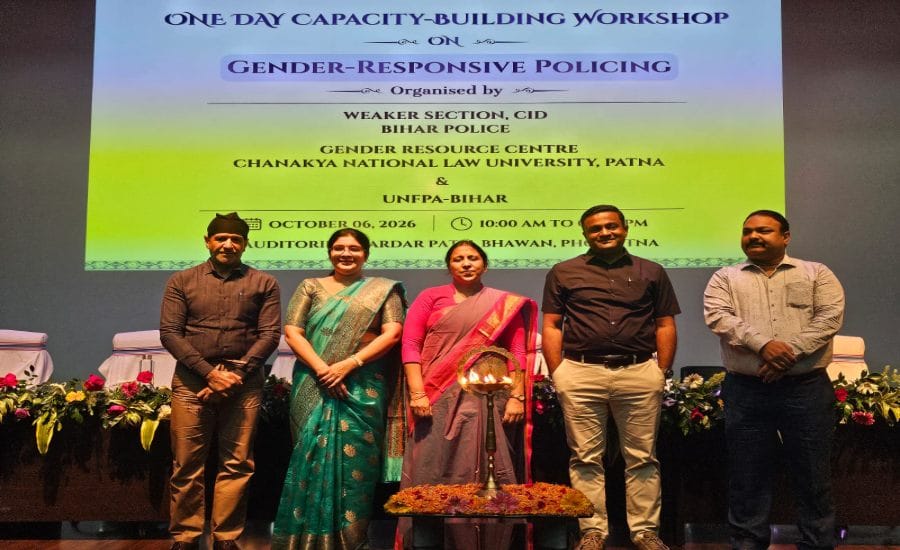
The message came during a state-level capacity-building workshop on Gender Responsive Policing, organised by the Weaker Sections Unit of the Crime Investigation Department (CID) at the Sardar Patel Bhawan auditorium in Patna on October 6.
The workshop focused on improving police responses to cases involving women, children, girls and transgender persons. Senior officers stressed that the behaviour of police personnel at the first point of contact can have a significant impact on a victim’s confidence in the justice system.
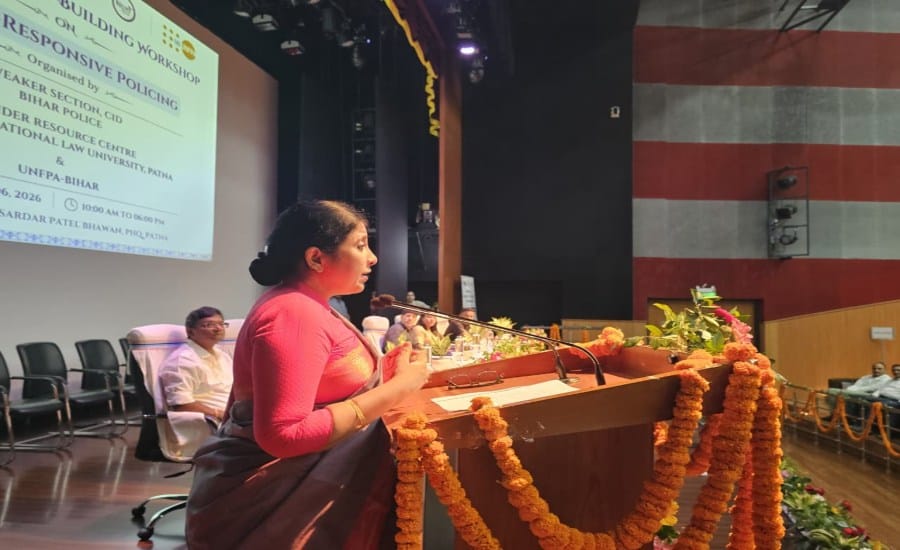
ADG (Law and Order-cum-Weaker Sections) K. Suhita Anupam urged police personnel to maintain a compassionate approach while dealing with victims. She said that when a person approaches a police station for the first time, the first interaction is often with the station house officer, inspector, sub-inspector or other police personnel.
A respectful and supportive interaction can help victims speak freely about their experiences while also strengthening public trust in the police. The initiative comes amid wider efforts to build gender-sensitive policing practices in Bihar.
Police Officers Told to Be Firm on Duty, Not With Victims
Addressing women police officers at the workshop, ADG Anupam underlined the difference between being disciplined and being insensitive.
She said that being strict in professional duties is important, but police personnel should not adopt a harsh attitude towards victims. Cases involving women and children, in particular, require patience and a careful understanding of the circumstances.
She also encouraged women police officers to take ownership of their police stations and responsibilities in the same way they manage their homes, while maintaining professionalism and accountability.
The emphasis was on ensuring that complaints related to violence against women and children receive serious attention and prompt action rather than becoming routine paperwork.
Faster and More Sensitive Response to Violence Cases
The workshop highlighted the need to understand both the legal and social dimensions of gender-based violence.
Police officers were encouraged to examine such cases carefully, respond promptly and work towards their timely resolution. Sensitivity, according to the training approach, is not limited to the way officers speak to victims. It also involves how complaints are received, how information is recorded, how investigations are conducted and how victims are treated throughout the process.
For a person reporting violence, the police station can be the first formal institution they approach for help. A supportive response at that stage can make it easier for victims to communicate their concerns and participate in the subsequent legal process.
Women Police Officers From All Districts Participate
The one-day capacity-building programme brought together the station house officers of women police stations from all districts of Bihar, along with one woman police officer from each district.
The participation of officers from across the state was aimed at strengthening a common understanding of gender-responsive policing and improving the quality of police responses at the district level.
Women police stations have an important role in handling complaints involving women and girls. Strengthening the skills of officers posted there can therefore have a direct impact on how victims experience the police system.
The training also provided an opportunity for participating officers to share their experiences of dealing with gender-related cases in their respective districts.
Training Covers Women, Children and Transgender Persons
The workshop took a broader view of gender-sensitive policing by including issues concerning women, girls and transgender persons.
The objective was to help police officials develop a more responsive approach towards people facing gender-based discrimination, violence or other forms of vulnerability.
The training focused on the importance of understanding the circumstances of victims instead of treating every complaint only as a procedural matter. It also highlighted the need for effective communication and a response that respects the dignity and privacy of the person approaching the police.
The Chanakya National Law University’s Gender Resource Centre also works on capacity building and research related to gender-responsive policing, including identifying systemic barriers and promoting more inclusive practices within law enforcement.
CNLU and UNFPA Support the Programme
The workshop was organised with the support of Chanakya National Law University (CNLU), Patna, and the United Nations Population Fund (UNFPA).
The programme brought together police officials, legal experts and academic specialists to discuss gender sensitivity and effective policing.
Among those who addressed the participants were Khwaja Saadat Noor, UNFPA State Head of Office; Anchal Gupta, advocate at the Lucknow Bench of the Allahabad High Court; Dr Amit Jain, Assistant Professor of Sociology at CNLU; and Garima Garg, Superintendent of Police, Weaker Sections Division.
The involvement of legal and academic experts was intended to give police personnel both legal understanding and practical perspectives on handling gender-related cases.
Practical Training on Gender-Based Cases
Dr Amit Jain, Ankit Macwan and Anchal Gupta participated as subject experts and resource persons during the training sessions.
The sessions covered the role of police in gender-related cases and the importance of providing sensitive and effective responses.
Participants also discussed their experiences of gender-responsive policing, allowing the programme to move beyond theoretical discussion and address challenges that officers encounter during day-to-day policing.
Such training becomes particularly important in cases involving domestic violence, gender-based violence and other sensitive complaints, where the manner in which police communicate with a victim can influence whether the person feels safe enough to continue with the legal process.
UNFPA has also highlighted gender-responsive policing as an important area of its work in Bihar, including efforts to strengthen police capacity for responding to gender-based violence and harmful practices.
Building Trust Through Better Police Response
ADG Anupam also stressed the importance of maintaining a balance between professional responsibilities and personal well-being. She asked police personnel to assess their daily work, identify what they handled well and determine what needs improvement the following day.
For officers working in sensitive areas, managing stress and maintaining emotional balance can be particularly important. Police personnel dealing regularly with victims of violence may face difficult and demanding situations, making professional preparedness and personal well-being equally relevant.
The larger objective of gender-responsive policing is therefore not simply to make police personnel more polite. It seeks to improve the overall response of the police system so that victims receive timely, respectful and effective assistance.
Why Gender-Responsive Policing Matters
The success of any gender-related policing initiative ultimately depends on what happens at the police station. Training programmes can provide officers with knowledge of laws, procedures and victim-sensitive practices, but their real impact will be visible only when these principles become part of everyday policing.
For women, children and transgender persons approaching the police, the first interaction can shape their perception of the entire justice system. A sensitive response can encourage victims to share information, seek protection and pursue legal remedies.
Bihar’s latest training initiative therefore places an important focus on the human side of policing. By bringing women police station heads and officers from districts across the state into a common training programme, the effort seeks to strengthen gender-sensitive practices at the frontline.
The broader challenge will be to ensure that the lessons from the workshop translate into consistent practices across police stations. Continued training, supervision and accountability can help make sensitivity, dignity and timely response a regular part of policing rather than an occasional training objective.
Read also: A New Way to Give Back: Bihar to Expand “Danveer” Asset Donation Drive