Patna: Bihar has screened 85,20,044 people for non-communicable diseases (NCDs) between September 2 and 17, 2026, marking a major step in the state’s ongoing effort to detect lifestyle-related and chronic diseases at an early stage.
The screening drive focuses on citizens aged above 30 years and is being conducted through government health facilities as well as door-to-door outreach. People identified with a disease or potential health risk are being connected with medical counselling, treatment and higher-level healthcare services as required.
The initiative is part of Bihar’s wider push to make early health screening more accessible, particularly for people who may not routinely visit healthcare facilities.
Bihar Takes NCD Screening Closer to Communities
The Health Department is increasing screening activities across the state to identify health risks before they develop into serious complications.
Through the campaign, eligible residents are being screened for several major NCDs, including:
- Diabetes and high blood pressure
- Common cancers
- Heart-related diseases
- Respiratory and lung diseases
- Fatty liver and other health risks
Early screening can help identify people who need further medical assessment and allow health workers to connect them with appropriate treatment.
The approach also reduces the dependence on patients reaching hospitals on their own, as health teams are taking screening services directly into communities.
Read Also: From Bihar’s Heritage to New Careers: 3 Skill Courses to Train the State’s Youth
Five Districts Record Strong Performance
Data collected between September 2 and 17 shows that several districts have performed strongly against their assigned screening targets.
Madhubani, Banka, Katihar, Supaul and Jehanabad emerged among the top five-performing districts in the NCD screening drive.
The Health Department said these districts have made significant progress in reaching people within the stipulated period and expanding access to screening services.
The district-wise performance is also being monitored to identify areas where screening needs to be accelerated.
Health Minister Calls for Faster Screening
Health Minister Nishant has directed officials to increase the pace of screening in districts where progress remains comparatively low.
He said the objective is to reach every household and ensure that all eligible people receive health screening. Field-level health workers have been asked to expand outreach and bring more eligible residents into the screening programme.
The focus is not limited to completing screening numbers. Where a health condition or risk is identified, the person must also receive appropriate medical advice, treatment and referral when necessary.
This makes the screening exercise part of a larger healthcare pathway rather than a standalone testing activity.
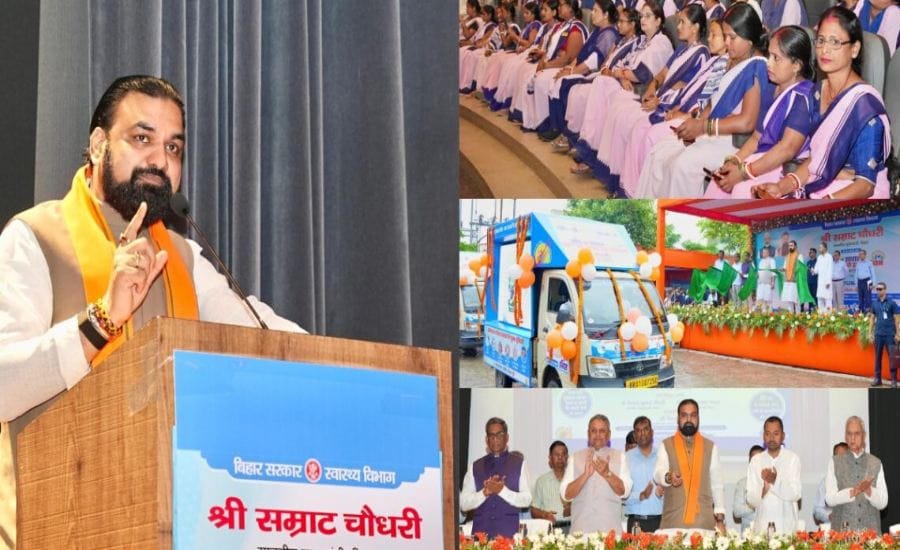
‘Janch Evam Upchar–Chikitsa Aapke Dwar’ Drives Outreach
The NCD screening campaign is receiving further momentum from Bihar’s ‘Janch Evam Upchar–Chikitsa Aapke Dwar’ special campaign, which is being conducted from September 2 to November 30, 2026.
Under this initiative, health teams are conducting screening of people above 30 years through door-to-door visits, Ayushman Arogya Mandirs and other government health institutions.
The campaign is designed to take basic screening and healthcare services closer to citizens, particularly at the community level.
If screening indicates a possible illness or health risk, the individual is connected with the required medical consultation and treatment. Those requiring specialised care can also be referred to higher health facilities.
Early Detection Remains the Key Focus
NCDs often require long-term management, making early identification an important part of preventive healthcare. Bihar’s current campaign therefore combines mass screening with follow-up care and referral.
ANMs, ASHA workers and other frontline health workers are playing a key role in reaching eligible residents and conducting or facilitating screening.
The Health Department has appealed to all citizens above 30 years of age to undergo regular health checks and NCD screening.
With more than 85 lakh screenings already recorded, the state is now looking to expand coverage further during the ongoing campaign. The emphasis remains on finding health risks early and connecting people with treatment before conditions become more difficult to manage.
The campaign also reflects a shift towards taking preventive healthcare closer to households, allowing screening to reach people who may otherwise remain outside routine health services.
Read Also: From Vasbhumi Applications to Jamabandi Fixes: Bihar Steps Up Land Service Monitoring