PATNA: A unique ‘waste-to-wealth’ initiative in Bihar’s Saharsa district is transforming the way rural communities manage organic waste while creating a new source of revenue for village-level sanitation infrastructure.
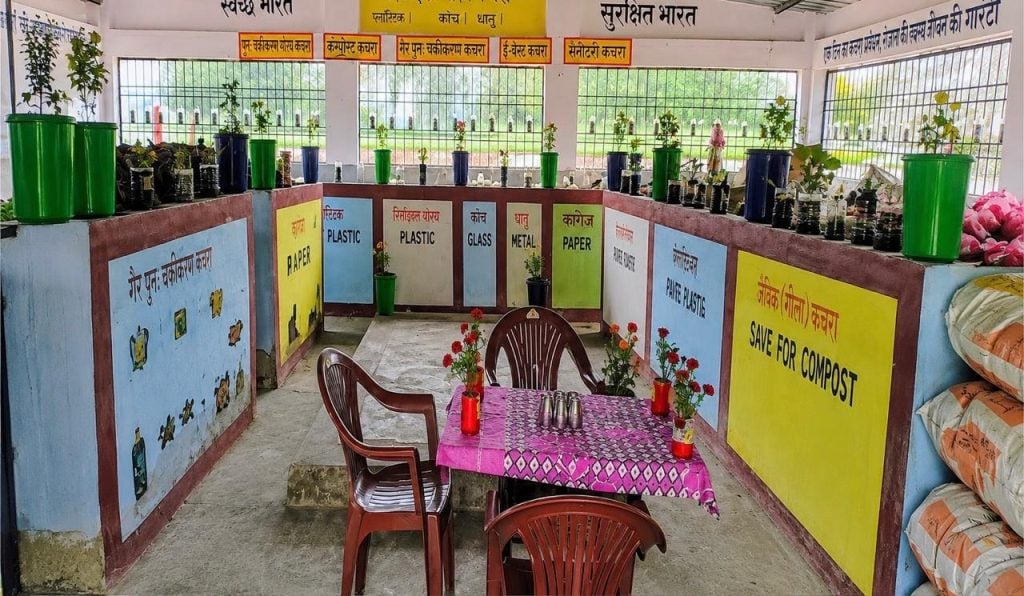
Waste Processing Units (WPUs) established across 21 gram panchayats are processing organic waste through NADEP and compost pits to produce vermicompost. The organic manure is then being used to grow plant nurseries within the WPU premises.
The initiative has created a distinctive cycle of “waste-to-manure, manure-to-nursery and nursery-to-revenue”, combining sanitation, environmental conservation and rural self-reliance.
From Waste Processing Units to Green Nurseries
The WPU premises, which were earlier associated with waste and unhygienic conditions, have now been transformed into productive spaces where organic waste is processed and converted into useful manure.
The vermicompost produced from village waste is being used to nurture plants in nurseries established on the same premises.
Read Also: Bihar Student Credit Card: ₹4 Lakh Education Loan to Continue, August 19 Order Cancelled
According to panchayat representatives, plants grown using organic vermicompost are showing better quality and faster growth compared with those cultivated using chemical fertilisers.
The use of organic manure has also helped improve the organic structure of the soil and its capacity to retain water.
Waste Management Linked to Revenue Generation
The Saharsa model goes beyond conventional waste disposal.
Once organic waste is converted into compost and used for nursery development, the plants are sold, generating an estimated ₹30,000–₹40,000 in annual revenue for the participating panchayats.
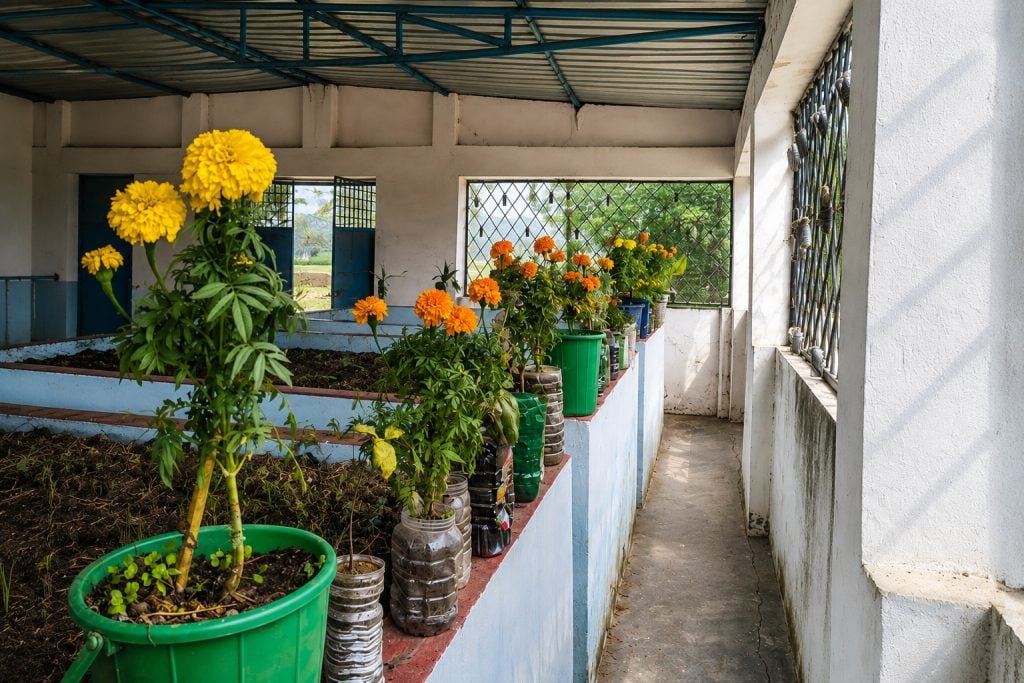
The money generated through the nurseries is being used for the repair and maintenance of Waste Processing Units, pedal rickshaws, e-rickshaws and other sanitation assets operated under the Lohia Swachh Bihar Abhiyan (LSBA).
This creates a self-sustaining cycle in which waste generated within villages contributes to maintaining the very infrastructure used for sanitation and waste management.
Tackling Filth and Disease Risks
Panchayat representatives believe that timely processing of organic waste has helped reduce the accumulation of garbage in villages.
By ensuring that biodegradable waste is processed instead of being allowed to accumulate, the initiative has helped create cleaner surroundings and reduce conditions that could contribute to disease outbreaks.
The transformation of WPU premises has also given these facilities a new identity, turning previously neglected spaces into productive and visually improved areas.
A Step Towards ‘Green Villages’
The initiative is being viewed as more than a sanitation programme.
According to local representatives, the model demonstrates how waste management can be integrated with environmental conservation, livelihood generation and rural self-reliance.
By converting waste into organic manure and using the manure to cultivate plants, the panchayats are contributing to increasing green cover while simultaneously generating funds.
The approach could therefore support the broader objective of developing ‘Green Villages’ where waste is treated as a resource rather than merely something to be discarded.
Organic Manure Supports Sustainable Cultivation
A key feature of the model is the use of locally generated organic manure instead of relying entirely on chemical fertilisers.
The vermicompost produced at the WPUs is directly utilised in the nurseries, creating a closed-loop system within the panchayats.
The use of organic manure has reportedly improved soil quality and water retention, while the nursery plants have shown healthy growth.
This also demonstrates how decentralised waste processing can have benefits beyond cleanliness, extending into soil health, plantation and environmental sustainability.
Revenue Helps Maintain Sanitation Assets
The annual income of ₹30,000–₹40,000 from plant sales is being channelled back into sanitation-related activities.
The funds are used to maintain WPUs, pedal rickshaws, e-rickshaws and other assets deployed under the Lohia Swachh Bihar Abhiyan.
This revenue-generation component gives the initiative an element of financial sustainability, reducing dependence solely on external funding for routine maintenance.
The model effectively links three activities—waste management, environmental conservation and revenue generation—at the village level.
Shravan Kumar Praises Panchayat Initiative
Shravan Kumar, Minister of Rural Development Department and Information & Public Relations Department, described the initiative as a commendable example of effective waste management and environmental conservation.
He highlighted the cycle of converting waste into compost, using compost to develop plant nurseries and generating revenue through the sale of plants.
“This effective cycle—transforming waste into compost, using compost to nurture a plant nursery, and generating revenue from that nursery—will set a new course for cleanliness and self-reliance in the state.”
Kumar said the production of vermicompost from organic waste and the use of the resulting nursery revenue for maintaining sanitation assets under the Lohia Swachh Bihar Abhiyan reflected effective and visionary management at the panchayat level.
He also credited the cooperation of Panchayat Mukhiyas and local representatives for making the initiative possible.
Saharsa Model Offers a New Rural Waste Management Approach
The experience of the 21 gram panchayats in Saharsa demonstrates how rural waste management can be designed as a productive economic cycle rather than a purely disposal-oriented exercise.
The model can be summed up as:
Organic Waste → Compost/Vermicompost → Plant Nursery → Sale of Plants → Revenue → Maintenance of Sanitation Assets
By creating this cycle, the panchayats are addressing multiple objectives simultaneously—keeping villages cleaner, recycling organic waste, improving soil health, increasing plantation and generating income for maintaining sanitation infrastructure.
The initiative could provide a replicable model for other rural areas seeking to combine Swachhata, environmental conservation and local revenue generation.
Key Highlights
- 21 gram panchayats in Saharsa have established the waste-to-wealth model.
- Organic waste is processed through NADEP and compost pits.
- The waste is converted into vermicompost.
- Vermicompost is used to grow plant nurseries at WPU premises.
- Plant sales generate approximately ₹30,000–₹40,000 annually.
- Revenue is used to maintain WPUs, pedal rickshaws, e-rickshaws and other LSBA assets.
- The initiative aims to support the development of cleaner and greener villages.
- Panchayat representatives say timely waste processing has reduced filth and potential disease risks.
- The model promotes organic manure, soil health and water retention.
Rural Development Minister Shravan Kumar praised the initiative and highlighted its potential for cleanliness and self-reliance.
Read Also: Bihar STET 2026 Deadline Extended: Candidates Get 15 More Days to Apply