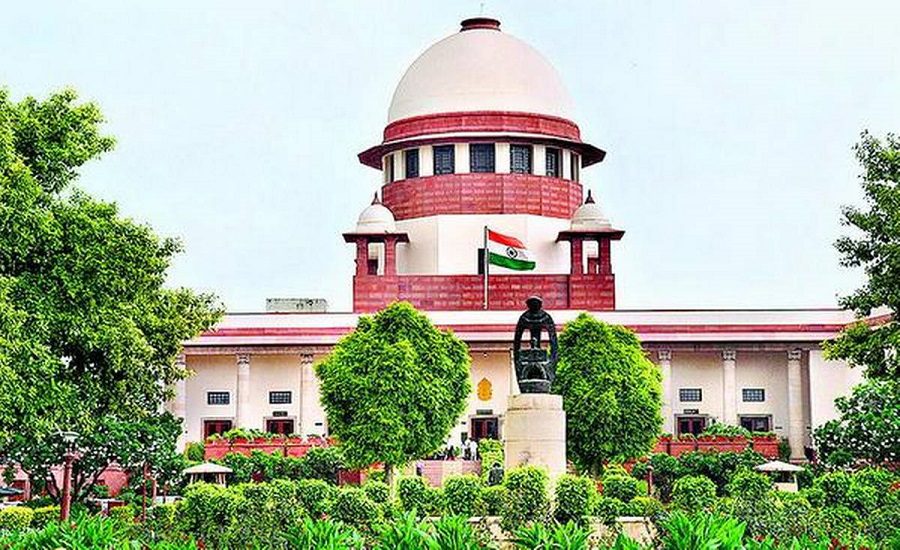
New Delhi: The illegal sand mining in Chambal Sanctuary has now reached the Supreme Court, raising serious environmental concerns. The Court has taken suo motu action after reports showed large-scale damage to the river ecosystem and wildlife habitat.
This move highlights how dangerous illegal mining has become for one of India’s most sensitive ecological zones.
The Chambal Sanctuary, spread across three states, is home to endangered species like gharials. The Supreme Court’s strict response signals a major step toward protecting biodiversity and holding authorities accountable.
Chambal Sanctuary Illegal Sand Mining Crisis: Why the Supreme Court Intervened
The Supreme Court recently took suo motu cognisance (action on its own) of illegal sand mining activities in the National Chambal Sanctuary.
- The Court issued notices to Uttar Pradesh, Madhya Pradesh, and Rajasthan governments.
- It observed that state officials may be held responsible for failing to stop illegal mining.
This shows that the Court is not only concerned about environmental damage but also about administrative failure.
Background of Chambal Sanctuary Illegal Sand Mining Crisis
The Chambal Sanctuary is a protected area located at the junction of three states. It is known for its fragile river ecosystem.
- Illegal sand mining is destroying riverbeds and natural habitats.
- Heavy machinery and extraction disturb wildlife and breeding zones.
- The problem has been ongoing for years but has now become critical.
The sanctuary is especially important because it supports rare aquatic and bird species.
Threat to Endangered Species Like Gharials
One of the biggest concerns is the impact on gharial crocodiles, which are already endangered.
- Sandbanks are crucial for nesting and breeding.
- Mining removes these sandbanks, forcing animals to relocate.
- Noise and human activity disturb wildlife behavior.
Experts warn that continued mining could lead to irreversible biodiversity loss.
Why Sand Mining Is a Big Problem in India
Sand is widely used in construction, making it a high-demand resource.
- It is classified as a “minor mineral” under Indian law.
- State governments control its regulation.
- Weak enforcement leads to illegal mining networks.
Unregulated mining can cause:
- Riverbank erosion
- Water scarcity
- Increased flood risk
Chambal Sanctuary Illegal Sand Mining Crisis: Legal and Environmental Concerns
The issue involves multiple laws and guidelines:
- Wildlife Protection Act, 1972 protects the sanctuary.
- MMDR Act, 1957 regulates mining activities.
- Sustainable Sand Mining Guidelines 2016 aim to ensure eco-friendly practices.
Despite these laws, enforcement gaps have allowed illegal activities to continue.
Supreme Court Directives on Chambal Sanctuary Illegal Sand Mining Crisis
The Court’s action sends a clear signal:
- Authorities cannot ignore environmental violations.
- Officials may face legal accountability for negligence.
- Protection of biodiversity is a top priority.
This case could set a precedent for future environmental cases in India.
Read also: UPSC Tightens DGP Appointment Rules, Makes Supreme Court Nod Mandatory for Delay by States