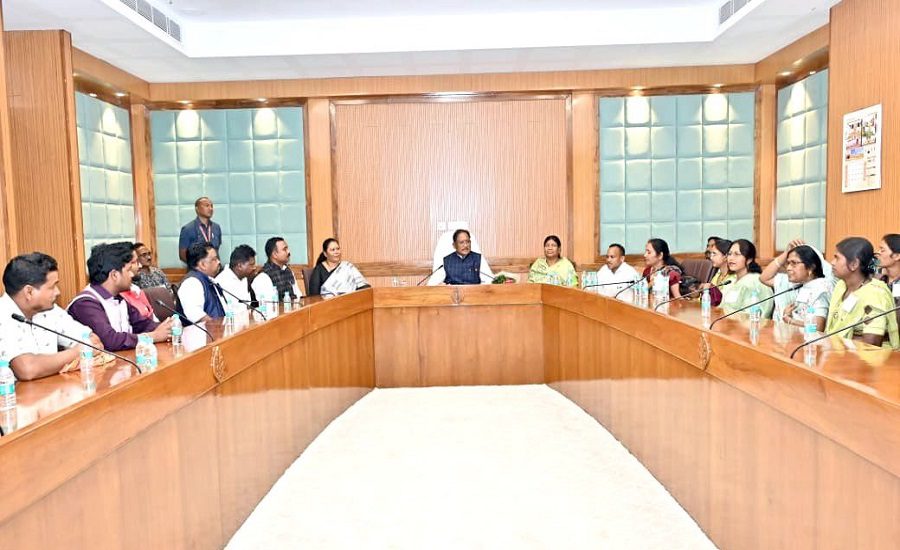
Raipur: The Chhattisgarh Cabinet, chaired by Chief Minister Vishnu Deo Sai, approved the Chhattisgarh Religious Freedom Bill 2026 in a major decision taken during the recent cabinet meeting. Alongside this landmark legislation, the cabinet cleared 10 other important proposals impacting governance, urban development, and public welfare.
Religious Freedom Bill 2026 Approved
The Religious Freedom Bill 2026 aims to regulate conversions in the state by preventing coercion, inducement, fraudulent practices, undue influence, or misrepresentation in matters of faith. The bill seeks to ensure that religious conversions in Chhattisgarh are conducted voluntarily and transparently.
This legislation has been under discussion since the formation of the BJP-led government in the state and represents a significant step in addressing long-standing concerns regarding religious conversions.
Read also: Japan Minister Abe Noriaki Meets Chhattisgarh CM Vishnu Deo Sai to Discuss Investment Opportunities
Key Cabinet Decisions
Apart from the Religious Freedom Bill, the cabinet approved several other important measures:
- Political Cases: 13 cases purely related to political movements will be withdrawn from the courts, following recommendations from the cabinet sub-committee.
- Urban and Rural Development: Approval of the Chhattisgarh Urban and Rural Investment (Amendment) Bill 2026.
- Housing Sector: Approval of the Chhattisgarh Housing Board Act, 1972 (Amendment) Bill 2026.
- Employee Recruitment: Approval of the Chhattisgarh Employee Selection Board Bill 2026 and Chhattisgarh (Prevention of Unfair Means in Public and Professional Exams) Bill 2026, aimed at enhancing transparency and credibility in recruitment processes.
- Land Allocation for Sports: The cabinet allocated 5 acres of government land to the District Cricket Association, Rajnandgaon, for constructing a state-of-the-art cricket academy and sports facilities.
- Revenue and Taxes: Approval of the Chhattisgarh Cess (Amendment) Bill 2026, which eliminates additional cess on registration previously imposed under the Rajiv Gandhi Mitan Club Scheme, which is no longer operational.
- Land Revenue Reforms: Amendments to sections 40, 50, and 59 of the Chhattisgarh Land Revenue Code, 1959.
Focus on Governance and Transparency
Several approved measures focus on strengthening governance, transparency, and accountability in the state. By addressing unfair practices in public examinations and employee recruitment, the cabinet aims to improve public trust in administrative processes.
The bills and amendments also pave the way for modern urban development, housing reforms, and efficient revenue management, reflecting the government’s broader agenda for statewide development and public welfare.
Sports Infrastructure and Public Welfare
The allocation of land to Rajnandgaon’s cricket association demonstrates the government’s commitment to sports infrastructure development. The construction of modern sports academies is expected to promote youth participation in sports and create professional training opportunities in the state.
Under the leadership of CM Vishnu Deo Sai, the Chhattisgarh Cabinet’s decisions during this meeting mark a significant step in legislative reforms, governance improvement, and social development. he Religious Freedom Bill 2026 and associated policies reflect the government’s focus on ensuring transparency, protecting individual rights, and boosting public welfare across the state.
Read also: Chhattisgarh Extends RCPLWEA & PMGSY-I Projects to 2027 to Strengthen Roads in Naxal-Affected Areas