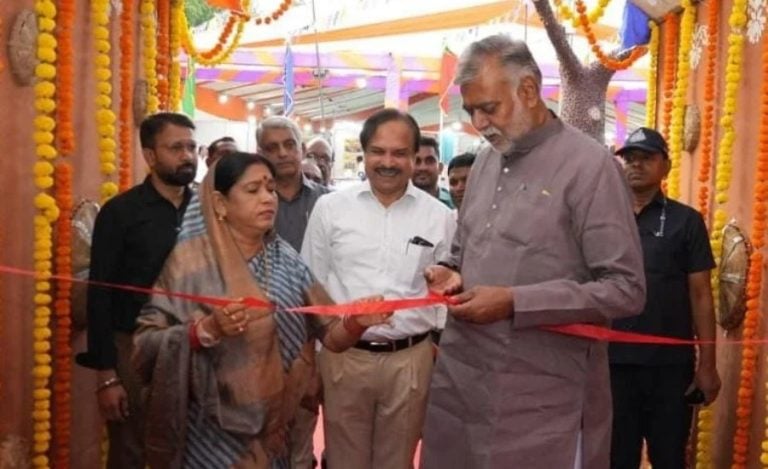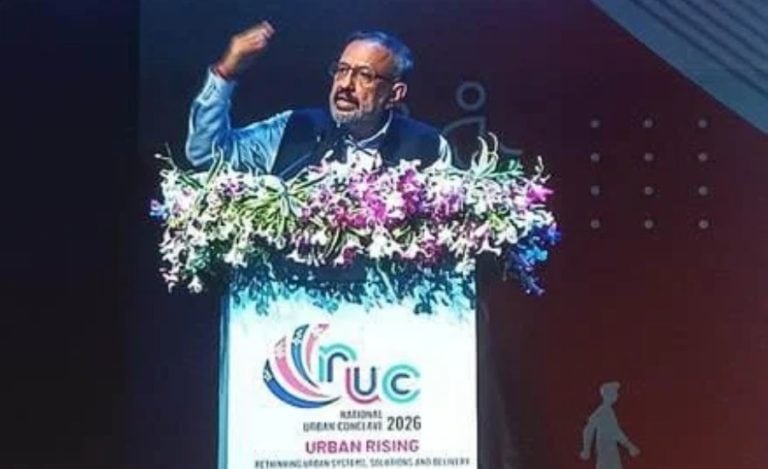
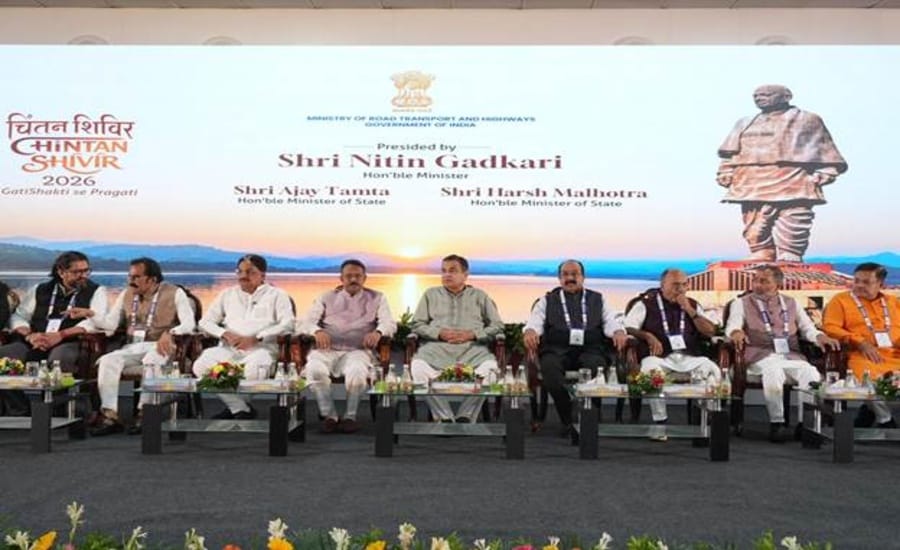
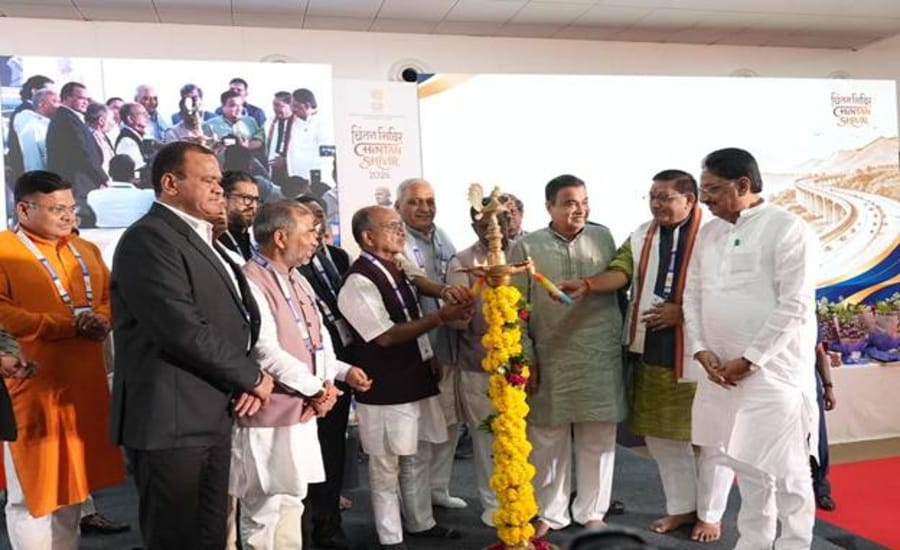
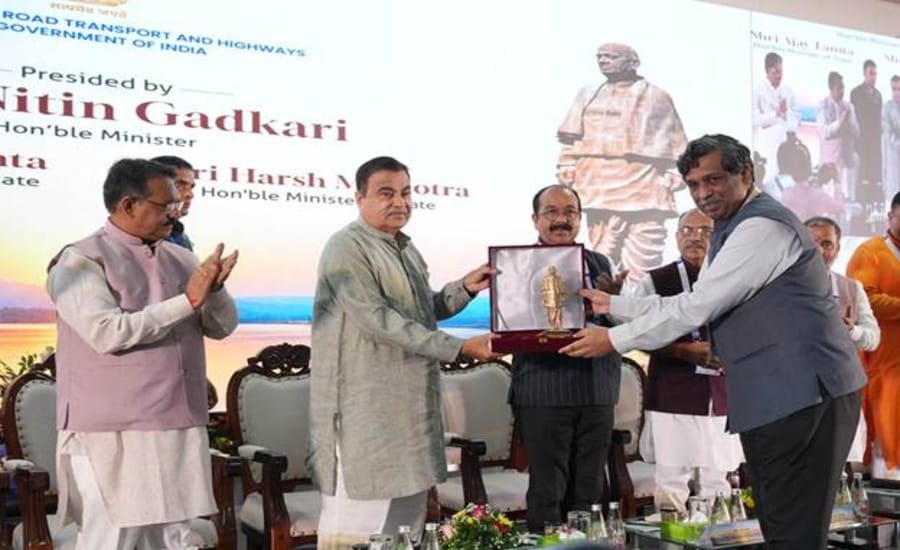
New Delhi: Union Road Transport and Highways Minister Nitin Gadkari inaugurated Chintan Shivir 2026, a two-day national conclave focused on making India’s highway infrastructure safer, greener and more efficient.
Held at Tent City 2 in Ekta Nagar, Narmada district, the conclave brings together state transport and PWD ministers, senior officials, implementing agencies and other stakeholders under the theme “Gatishakti se Pragati.”
Focus on Better Highway Planning
Gadkari stressed that highway projects need stronger preparation at the Detailed Project Report (DPR) stage.
He highlighted the importance of proper surveys, alignment planning, land acquisition, utility shifting and statutory clearances before construction begins. Better preparation, he said, can reduce project delays, cost escalation and implementation problems.
The minister also called for states to share successful practices and field-level solutions so that effective models can be replicated across the country.
Road Safety to Be Built Into Highway Design
Road safety was another major focus of the conclave.
Gadkari said accident-prone locations should be identified early and appropriate safety measures incorporated during highway planning and construction rather than addressed only after projects become operational.
The approach is aimed at improving highway design while reducing road accidents and making travel safer for road users.
Green and Sustainable Highways
The conclave also places significant emphasis on environmental sustainability.
Gadkari called for wider use of environment-friendly construction methods, recycled materials and innovative technologies to improve highway quality while reducing construction and maintenance costs.
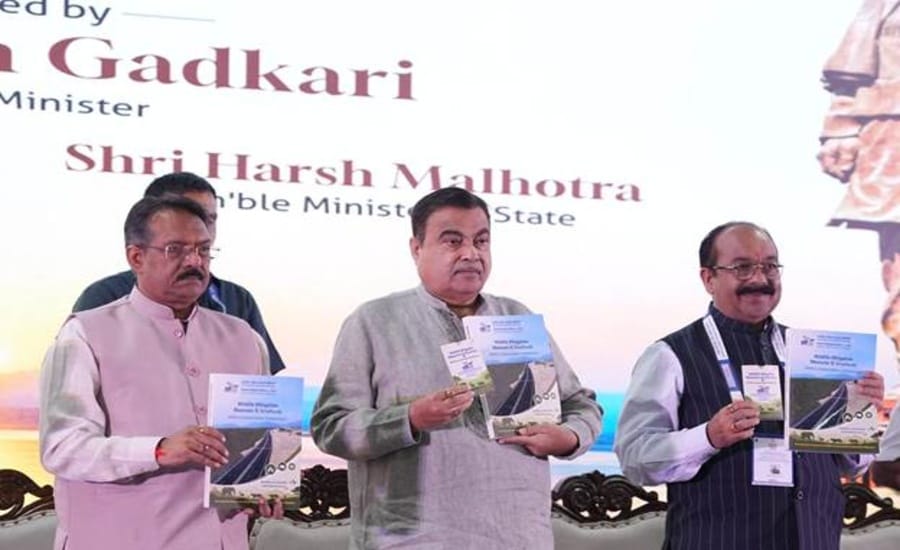
A document on Environment & Wildlife Mitigation Measures was launched during the inaugural session, highlighting the need to protect the environment and wildlife while developing transport infrastructure.
Technology and Tolling Reforms
Technology-driven reforms also feature prominently in the two-day discussions.
The minister highlighted initiatives such as the FASTag Annual Pass and Multi-Lane Free Flow (MLFF), which are aimed at modernising toll collection, improving traffic movement and making highway travel more convenient.
The conclave will also examine ways to use new technologies and cost-effective materials to improve construction and maintenance.
Key Areas Under Discussion
The two-day Chintan Shivir will cover several major aspects of highway development, including:
- PM GatiShakti and integrated infrastructure planning
- Land acquisition and Bhoomi Rashi
- Model Concession Agreements and ratings
- Safe and green highway design
- Road safety and toll reforms
- Quality assurance and project monitoring
A BRICS Compendium on Perspectives in Sustainable Transport was also launched, adding an international perspective to discussions on sustainable mobility.
Highways as Drivers of Economic Growth
Gadkari underlined the wider economic importance of highway infrastructure, noting that modern roads need to provide seamless connectivity between cities, towns, ports, markets and industrial centres.
Better connectivity can support trade, investment, employment and economic activity by improving the movement of people and goods.
The conclave therefore aims to bring the Centre, states and implementing agencies together to address practical challenges that affect the timely delivery of major infrastructure projects.
Centre-State Collaboration at the Core
A key objective of Chintan Shivir 2026 is to strengthen cooperation between the Centre and states.
Rather than focusing only on policy discussions, the conclave is intended to provide a platform for officials and implementing agencies to exchange field-level experiences, identify common problems and develop solutions that can be applied across different regions.
The discussions are expected to focus on improving project planning, monitoring, quality, safety and sustainability.
The broader objective is to create a highway network that can meet India’s growing mobility and economic requirements while incorporating technology, environmental responsibility and stronger safety standards.