21 November 2026
ADVERTISEMENT
ADVERTISEMENT

CJI Surya Kant Explains How the Collegium Selects Supreme Court and High Court Judges

Chief Justice of India Surya Kant said the Supreme Court Collegium follows objective criteria, including merit, performance, experience, inclusiveness and diversity, while recommending appointments to the Supreme Court and High Courts.
CJI Surya Kant Cockroach Remark
Indian Masterminds Stories

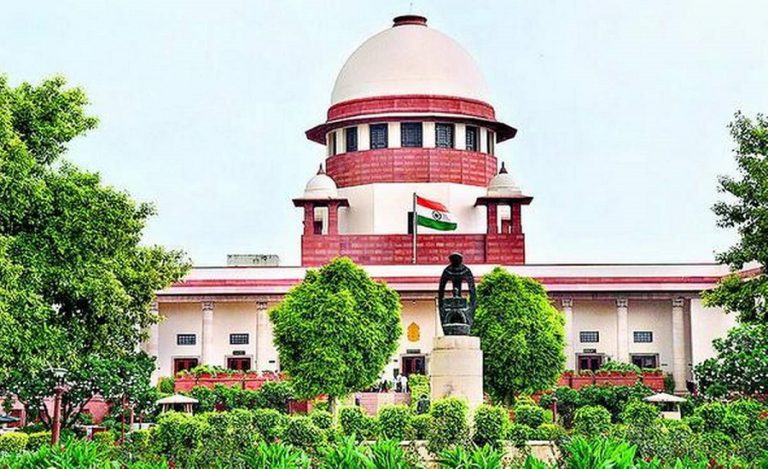
New Delhi: Chief Justice of India (CJI) Surya Kant on Tuesday defended the functioning of the Supreme Court Collegium, stating that judicial appointments are made after carefully evaluating multiple objective factors, including merit, judicial performance, experience, inclusiveness and diversity.

Speaking at a felicitation ceremony organised by the Supreme Court Bar Association (SCBA) for the five newly appointed Supreme Court judges, the CJI said the Collegium follows a rigorous and transparent evaluation process while recommending appointments to both the Supreme Court and the High Courts.

Collegium Considers Multiple Objective Criteria

Addressing concerns and criticism surrounding the Collegium system, CJI Surya Kant said many critics are unfamiliar with the judiciary’s internal functioning and the detailed deliberations involved in selecting judges.

“I can assure you that despite the casual criticism the Supreme Court Collegium sometimes faces, particularly from people who do not know the functioning of the judiciary and how the Supreme Court Collegium evolved, what kind of criteria it factors in, and the issues that are deliberated… the Collegium, while taking decisions, considers so many important and relevant factors while shortlisting Judges for appointment to the Supreme Court and even the High Courts. We follow the same criteria for the appointment of Chief Justices as well,” the CJI said.

He emphasised that every recommendation is based on a comprehensive assessment rather than any single parameter.

Read also: Supreme Court Refuses Urgent Hearing on Delhi Police Action During CJP Student Protest; CJI Surya Kant Says ‘Don’t Waste Our Time’

Merit, Performance and Experience at the Core

Explaining the appointment process, the Chief Justice said the Collegium evaluates judges on several professional benchmarks before recommending their elevation.

These include:

  • Merit and overall judicial performance
  • Length of judicial service
  • Previous assignments and responsibilities
  • Professional experience
  • Inclusiveness and diversity within the judiciary

According to the CJI, these factors help ensure that appointments strengthen the institution while maintaining judicial excellence.

Confidence in Newly Appointed Supreme Court Judges

Expressing confidence in the five newly elevated judges, Justice Surya Kant said the Collegium had taken an objective and merit-based decision while recommending their names.

He voiced confidence that the judges would make significant contributions to the Supreme Court and uphold the institution’s high standards.

The felicitation ceremony honoured:

  • Justice Sheel Nagu
  • Justice Shree Chandrashekhar
  • Justice Sanjeev Sachdeva
  • Justice Arun Palli
  • Justice V. Mohana

The five judges took oath as Supreme Court judges on June 2.

Bar and Bench Must Work Together

Highlighting the importance of the relationship between the judiciary and the legal fraternity, CJI Surya Kant described the association between the Supreme Court Bench and the Bar as one built on mutual trust, respect and cooperation.

He said this partnership plays a crucial role in improving the quality of justice delivered by the apex court.

Higher Responsibility After Elevation

The Chief Justice also observed that judges elevated to the Supreme Court shoulder greater constitutional responsibilities.

He said the apex court is entrusted with preserving public confidence in the justice delivery system while continuing to develop constitutional jurisprudence and safeguard the rule of law.

According to him, every Supreme Court judge carries the responsibility of strengthening the institution and maintaining the faith of citizens in the judiciary.

Read also: Supreme Court Disruption Case: Lucknow University Suspends Students, Orders Campus Ban

Indian Masterminds Stories
Join our WhatsApp Channel
ADVERTISEMENT
ADVERTISEMENT
Related Stories
ADVERTISEMENT
ADVERTISEMENT
NEWS
Karnataka Bike Taxi Ban
Supreme Court Delivers Big Blow To Karnataka Bike Taxi Ban, Clears Way For Rapido, Ola & Uber
ChhattisgarhGovt_resized
Chhattisgarh Offers 290 UPSC Coaching Seats in Delhi Under CG-ACE Scheme 2026, Women Get 33% Reservation
ED Assistant Director Disproportionate Assets Case
ED Summons Punjab Chief Secretary K.A.P. Sinha in Money Laundering Probe, Finance Department Official Also Called
Bihar Electric Buses
PM Modi to Flag Off 100 Electric Buses in Bihar Under PM E-Bus Sewa Scheme on November 21
Amitabh Kant IAS
Amitabh Kant Reveals He Nearly Quit IAS After 11-Month Posting Gap in Kerala, Recalls Career-Defining Experiences
UPSIDA CEO Ravi Kumar N.G
UPSIDA Chief Ravi Kumar NG Sets Industrial Development Priorities, Focuses on Investor Services and Infrastructure: Know the IAS Officer Behind the New Push
MPPSC
Madhya Pradesh Releases 2027 MPPSC Exam Calendar, State Service Examination to Be Held Twice a Year
Bihar Trainee IPS Officers 2025 Batch
Bihar Assigns 10 Newly Trained IPS Officers to Districts for 29-Week Practical Training
ADVERTISEMENT
ADVERTISEMENT
Videos
Five years after Kargil, India sent its cricketing heroes to Pakistan where terrorism posed a deadly threat. The man guarding them, former Special Director of Intelligence Bureau, Mr. Yashovardhan Azad, reveals what all went behind the scenes during that crucial tour. 
Trust No One, Said His Instinct in Pakistan
Gajendra Singh Shekhawat
How India Plans to Boost Tourism, Create Jobs and Ease Overcrowding : Gajendra Singh Shekhawat on the Road to 2047
Dr Saket Badola IFS
Beyond Tigers and Safaris: How Corbett Literature Festival Wants to Change the Conservation Conversation
ADVERTISEMENT
UPSC Stories
Mayank Gurjar
He Lost His Father in Class 12, Then Cleared UPSC in One Attempt to Become an IPS Officer
After losing his father in Class 12, Mayank Gurjar held on to his dream of public service, graduated...
Gautam UPSC
He Studied at 4 AM in a 10×10 Mumbai Slum Room; Today, Gautam Padibhar is an Indian Forest Service Officer
Meet IFS officer Gautam Padhibhar, a 2023-batch Chhattisgarh cadre officer who rose from financial hardship...
Aniket Sagar ICoAS
No Coaching, Full-Time Job and Two Attempts: How Aniket Sagar Cleared ICoAS
Aniket Sagar, a chartered accountant from Bundelkhand, cleared UPSC ICoAS 2025 after working at PwC,...
CSR NEWS
mdl
MDL Signs CSR MoUs with NWWA to Support Healthcare and Education for Naval Families
Partnership Covers Medical Equipment for Family Medical Centre, Educational Welfare of Children of Naval...
NBCC CSR Medical Equipment
NBCC India Hands Over CSR-Sponsored Medical Equipment to Mokokchung District Hospital in Nagaland 
The CSR initiative aims to improve medical infrastructure at the district hospital, which serves patients...
Coal India CSR Programme
Coal India Organises CSR Programme to Align Mining Operations with Community Development 
Initiative Aims to Strengthen CSR Implementation in Coal-Bearing Regions and Improve Community Well-Being...
ADVERTISEMENT
ADVERTISEMENT
ADVERTISEMENT
Latest
Karnataka Bike Taxi Ban
Supreme Court Delivers Big Blow To Karnataka Bike Taxi Ban, Clears Way For Rapido, Ola & Uber
ChhattisgarhGovt_resized
Chhattisgarh Offers 290 UPSC Coaching Seats in Delhi Under CG-ACE Scheme 2026, Women Get 33% Reservation
ADVERTISEMENT
ADVERTISEMENT
ADVERTISEMENT
ADVERTISEMENT
ADVERTISEMENT
ADVERTISEMENT
ADVERTISEMENT
Videos
Five years after Kargil, India sent its cricketing heroes to Pakistan where terrorism posed a deadly threat. The man guarding them, former Special Director of Intelligence Bureau, Mr. Yashovardhan Azad, reveals what all went behind the scenes during that crucial tour. 
Gajendra Singh Shekhawat
Dr Saket Badola IFS
ADVERTISEMENT
ADVERTISEMENT