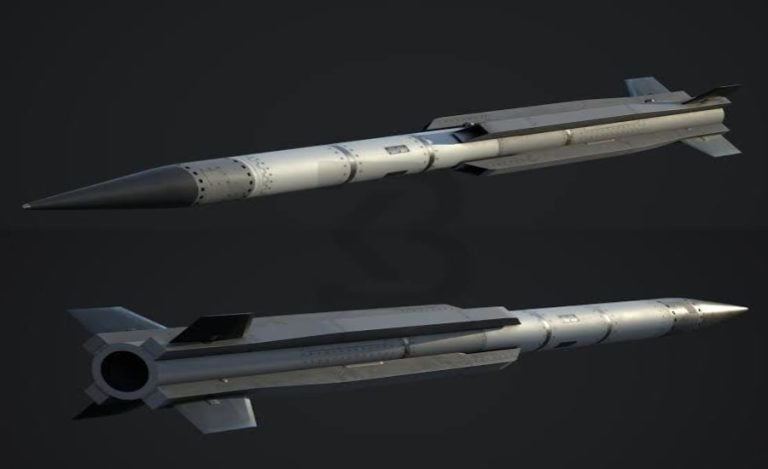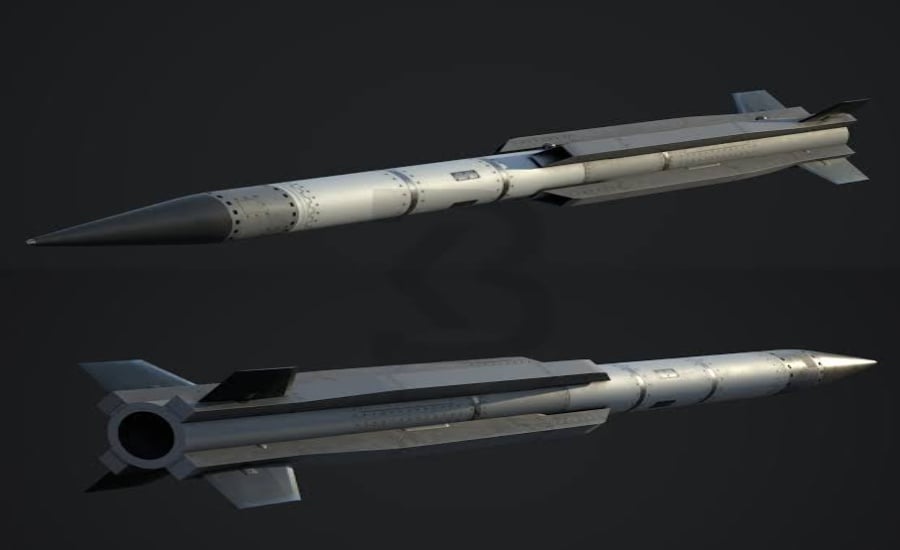
New Delhi: India’s Defence Research and Development Laboratory (DRDL) is reportedly working on a new lightweight, ramjet-powered supersonic missile that could increase the strike capabilities of the Indian Air Force’s Su-30MKI fighter jets.
The proposed STAR-based missile is expected to be lighter than the BrahMos-A, potentially allowing the aircraft to carry multiple missiles instead of depending on a single heavy weapon. However, important details about the reported programme are yet to receive official confirmation.
What Is New DRDO STAR-Based Ramjet Missile
According to a recent report published on Defence.in, DRDL is developing a new air-launched supersonic missile based on the technology of its Supersonic Target (STAR) programme.
Read also: Russia Unveils Ambitious Plan To Re-Engine India’s Su-30MKI Fighters
The proposed missile is expected to use liquid-fuel ramjet propulsion, a technology that helps missiles maintain high speeds during flight.
The report suggests that the project has moved beyond the initial design stage, with structural test components reportedly being manufactured.
These components are intended to check the missile’s physical dimensions, weight distribution and compatibility with aircraft launch systems. However, DRDO has not publicly confirmed the complete details of this reported strike missile programme.
How Could The DRDO STAR-Based Ramjet Missile Improve Su-30MKI’s Strike Capability
The Indian Air Force’s Su-30MKI is one of its most important multirole fighter aircraft..It can carry different types of weapons for air-to-air and air-to-ground missions. However, the heavy weight of the air-launched BrahMos missile limits the number of such weapons an aircraft can carry.
The BrahMos-A weighs approximately 2.5 tonnes and is generally carried as a single missile by a specially modified Su-30MKI. A lighter supersonic missile could offer a different option.
If the reported project becomes successful, the Su-30MKI may be able to carry multiple smaller supersonic missiles during a single mission.
This could allow the aircraft to engage more targets without requiring the same number of fighter aircraft. However, the actual missile weight, number of missiles per aircraft and operational configuration have not been officially announced.
What Is The STAR Missile And How Does Its Ramjet Engine Work
STAR stands for Supersonic Target. It is a DRDO-developed system designed to simulate high-speed missile threats during air defence testing.
The system is important because it helps test India’s air defence weapons and radar systems against supersonic targets.
According to information published in DRDO’s official news compilation in May 2024, India has also been working on indigenous liquid-fuel ramjet technology for STAR and future supersonic cruise missiles.
A ramjet engine uses incoming air and fuel combustion to generate thrust during high-speed flight.
Unlike conventional rocket engines, ramjets use atmospheric oxygen instead of carrying all the oxygen needed for combustion.
This makes ramjet propulsion useful for maintaining supersonic speeds over longer distances. The STAR system uses a rocket booster to reach the required speed before its ramjet propulsion takes over.
How Is The New Missile Different From BrahMos-A
Both systems are connected to supersonic missile technology, but their intended roles and configurations are different. BrahMos-A is an operational air-launched cruise missile developed through India-Russia cooperation.
The reported STAR-based missile, on the other hand, is expected to be a lighter weapon that could provide the Indian Air Force with another stand-off strike option. A lighter design could offer greater flexibility in aircraft weapon loading.
It may also complement heavier weapons such as BrahMos-A rather than replace them. The exact range, speed, weight and combat capabilities of the proposed missile remain unconfirmed.
Could The Missile Be Used Against Enemy Radars And Warships
The reported development has also raised questions about possible future combat applications..Some reports and defence discussions have linked STAR-derived missile technology with anti-radiation and anti-AWACS roles.
An anti-radiation missile is designed to detect and attack enemy radar systems. An anti-AWACS weapon would target airborne early warning and control aircraft, which help military forces monitor airspace and coordinate operations.
A lighter supersonic missile could also potentially support anti-ship or land-attack missions. However, these roles should be treated as possible applications rather than confirmed features of the reported missile.
DRDL and the Ministry of Defence have not officially announced the final mission requirements of this particular weapon.
How Does This Development Fit India’s Indigenous Missile Programme
India has been working to reduce its dependence on foreign defence technology by developing more advanced weapons and propulsion systems domestically.
The DRDO has made progress in different areas of air-breathing propulsion technology. For example, on February 3, 2026, DRDO successfully demonstrated Solid Fuel Ducted Ramjet (SFDR) technology.
According to the Ministry of Defence, the successful demonstration involved important systems, including the solid-fuel ramjet motor and fuel flow controller. This technology can support the development of advanced long-range air-to-air missiles.
It is important to understand that SFDR and the liquid-fuel ramjet technology associated with STAR are different propulsion systems. Progress in both areas highlights India’s efforts to build a stronger domestic missile technology base.
Read also: Explained: How R-37M Missiles Will Transform India’s Su-30MKI Fleet
FAQs
The proposed missile is reportedly being designed to be lighter than BrahMos-A. This could allow the Su-30MKI to carry multiple missiles, but the actual number and aircraft integration details have not been officially confirmed.
India’s reported STAR-based missile is a proposed lightweight, air-launched supersonic weapon associated with DRDL’s Supersonic Target technology. It is expected to use liquid-fuel ramjet propulsion and could provide additional strike capabilities to Indian fighter aircraft.
STAR is a supersonic target system developed for testing air defence capabilities, while BrahMos is an operational supersonic cruise missile used for land-attack and anti-ship missions. The reported new missile could use STAR-related technology for a future combat role.