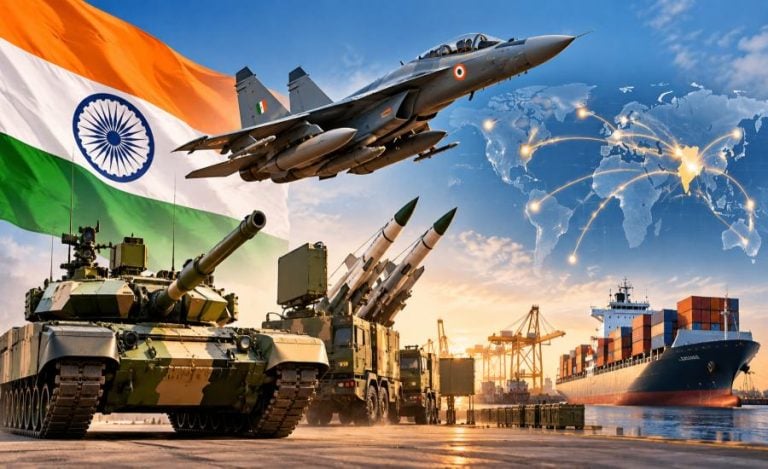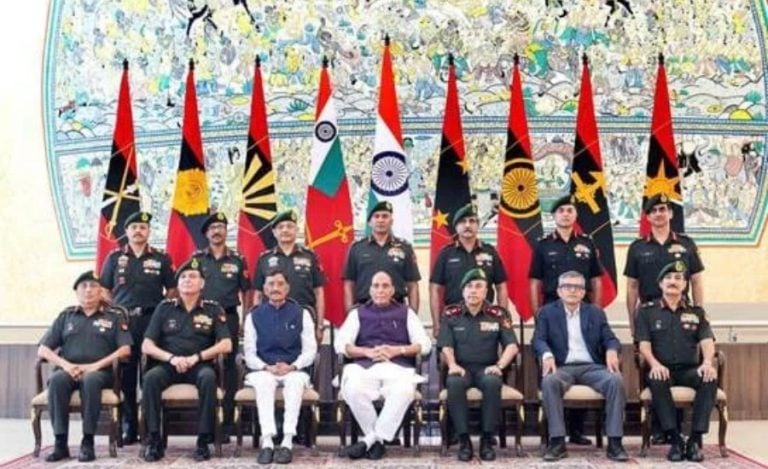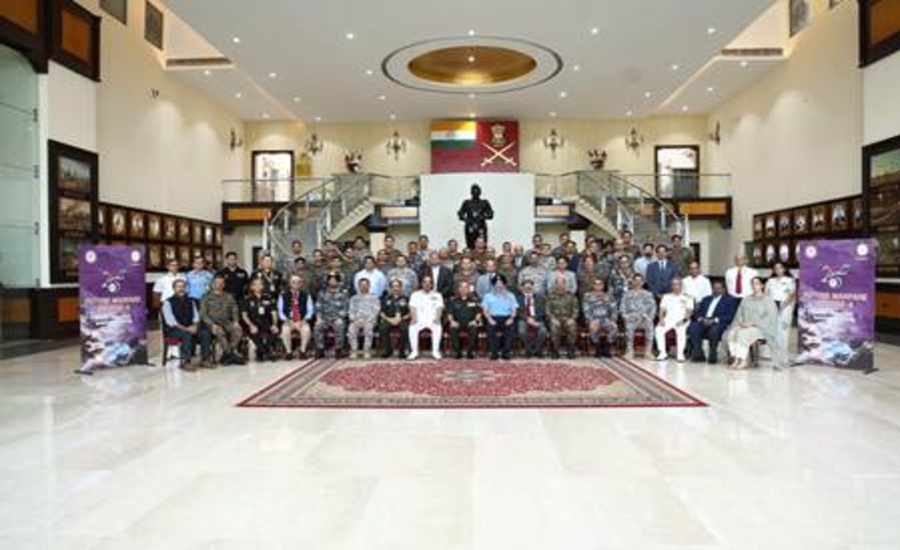
New Delhi: Chief of Defence Staff General N.S. Raja Subramani inaugurated the Fourth Edition of the Tri-Services Future Warfare Course at the Manekshaw Centre in New Delhi on August 3, 2026. In his keynote address, the CDS highlighted how modern warfare is changing rapidly due to emerging technologies such as artificial intelligence (AI), cyber capabilities, autonomous systems, and space technologies. He stressed that India must prepare its Armed Forces to face future security challenges through greater jointness, innovation, and multi-domain operations.
Key Highlights of the Tri-Services Future Warfare Course
- CDS General N.S. Raja Subramani inaugurated the Fourth Tri-Services Future Warfare Course.
- The four-week course is being conducted by Headquarters Integrated Defence Staff (HQ IDS).
- The CDS highlighted AI, cyber warfare, autonomous systems, and space technologies as key drivers of future conflicts.
- Officers from the Army, Navy, Air Force, government, academia, industry, and strategic institutions are participating.
- The course focuses on preparing India’s Armed Forces for future operational challenges.
Read also: Indian Air Force R-37M Missile Deal: Features, Range, Cost and Strategic Impact
What Is The Fourth Tri-Services Future Warfare Course
The Fourth Edition of the Tri-Services Future Warfare Course began at the Manekshaw Centre, New Delhi, on August 3, 2026. The four-week programme is organised by the Headquarters Integrated Defence Staff (HQ IDS). It brings together officers from all three Services along with experts from government, academia, industry, and strategic institutions.
Why Did The CDS Stress Future Warfare
During his keynote address, General N.S. Raja Subramani said warfare is changing faster than ever before. He explained that new technologies are transforming military operations. Therefore, India’s Armed Forces must anticipate future threats and develop the ability to respond effectively across multiple operational domains.
Which Technologies Will Shape Future Wars
The CDS identified several technologies that will play a major role in future conflicts. These include:
- Artificial Intelligence (AI)
- Cyber capabilities
- Autonomous systems
- Information warfare
- Space technologies
- Data-driven decision-making
He said these technologies are already influencing military planning and battlefield operations around the world.
Why Is Jointness Important For India’s Defence
The CDS emphasised the need for stronger cooperation among the Army, Navy, and Air Force. He also called for closer collaboration between the Defence Forces, industry, academia, and the research community. According to him, this integrated approach will strengthen India’s defence preparedness and improve military innovation.
What Will Participants Learn During This Course
The programme covers a wide range of subjects related to future warfare. Participants will discuss:
- Geopolitics
- Emerging technologies
- Artificial Intelligence
- Cyber and cognitive warfare
- Information warfare
- Multi-domain operations
- Scenario building
- Technology-enabled warfare
The course also includes lectures by senior military officers, policymakers, scientists, industry leaders, and defence experts.
Why Is This Course Important
Modern conflicts are becoming more technology-driven. The course helps military officers understand future operational challenges and prepares them to deal with rapidly changing security environments. It also promotes better coordination among India’s three Services.
What Does This Mean For India’s Defence Strategy
India is investing in advanced technologies and integrated military planning to stay prepared for future conflicts. The Tri-Services Future Warfare Course supports this goal by encouraging innovation, strategic thinking, and cooperation across different sectors involved in national security.
Read also: What Is The Tri-Services Future Warfare Course 2026? Key Details, Objectives And Focus Areas