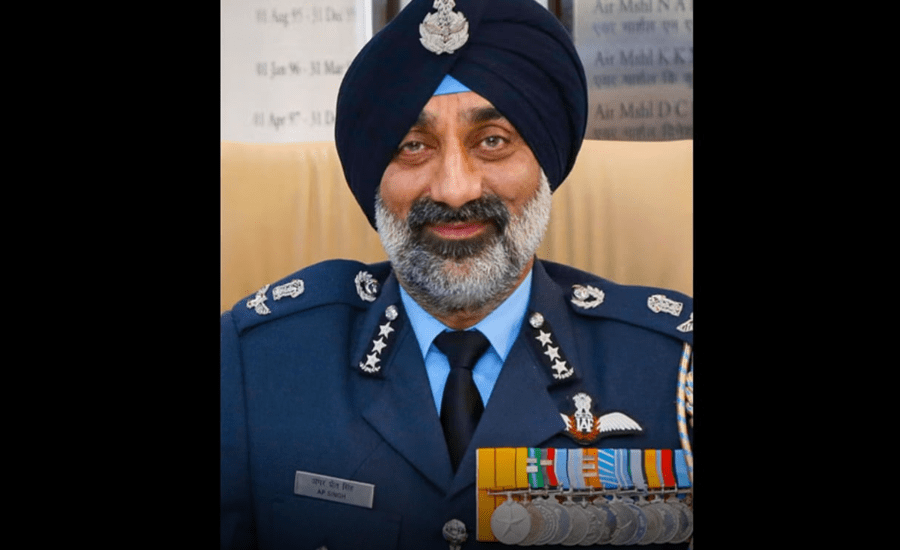
New Delhi: India’s Tejas Mk1A timeline delays have become a major concern for the Indian Air Force (IAF). Air Chief Marshal AP Singh has openly highlighted the impact of delayed fighter jet deliveries on the country’s air combat strength. At the same time, he expressed strong support for the upcoming Tejas Mk2 programme and stressed the need for greater domestic defence manufacturing to strengthen India’s military capabilities.
Why The IAF Is Concerned About Tejas Mk1A Timeline
Speaking ahead of the Indian Air Force’s 94th anniversary, Air Chief Marshal AP Singh said that delays in the delivery of Tejas Mk1A fighter jets have become unusually long and are affecting operational readiness. He noted that while delays can happen in defence projects worldwide, the current situation has gone on for too long.
Read also: Indian Air Force Unveils Dronathon 2026 To Accelerate Indigenous Drone Warfare Innovation
The IAF has already committed significant resources to the Tejas programme and is waiting for aircraft deliveries to strengthen its fighter fleet. However, delivery schedules have slipped repeatedly, creating challenges for force planning.
Supply Chain Problems Behind The Delay
One of the major reasons for the delay has been supply chain disruptions, especially issues related to the delivery of GE F404 engines from the United States. These engines are essential for the Tejas Mk1A aircraft. Although several Tejas Mk1A airframes have already been built, final deliveries have been delayed because of pending engine supplies and certification requirements.
Fighter Squadron Strength Remains A Major Challenge
The Air Chief pointed out that the IAF is currently operating with around 29 fighter squadrons, far below the sanctioned strength of 42 squadrons. This shortfall directly affects India’s ability to maintain adequate air power against multiple security challenges.
To bridge this gap, the IAF requires the induction of approximately 36 to 40 fighter aircraft every year over the coming years.
Why Tejas Mk2 Is Becoming More Important
Air Chief Marshal AP Singh described the upcoming Tejas Mk2 as a critical platform for addressing the capability gap created by delayed aircraft inductions. The aircraft is expected to offer improved performance, greater payload capacity, longer range, and enhanced combat capabilities compared to the current Tejas variants.
The IAF sees the Tejas Mk2 as an important step in strengthening indigenous air power while reducing dependence on foreign fighter aircraft.
Read also: Why The Indian Air Force Is Already Looking At Tejas Mk-2 Amid Delays In Tejas Mk-1A Deliveries
FAQs
The Indian Air Force currently operates around 29 fighter squadrons compared to its sanctioned strength of 42 squadrons.
The main reasons include supply chain disruptions, delayed engine deliveries, testing requirements, and certification processes before final handover to the Indian Air Force.
Tejas Mk2 is expected to offer improved combat capabilities and help bridge the fighter aircraft shortage caused by delays and the retirement of older aircraft.