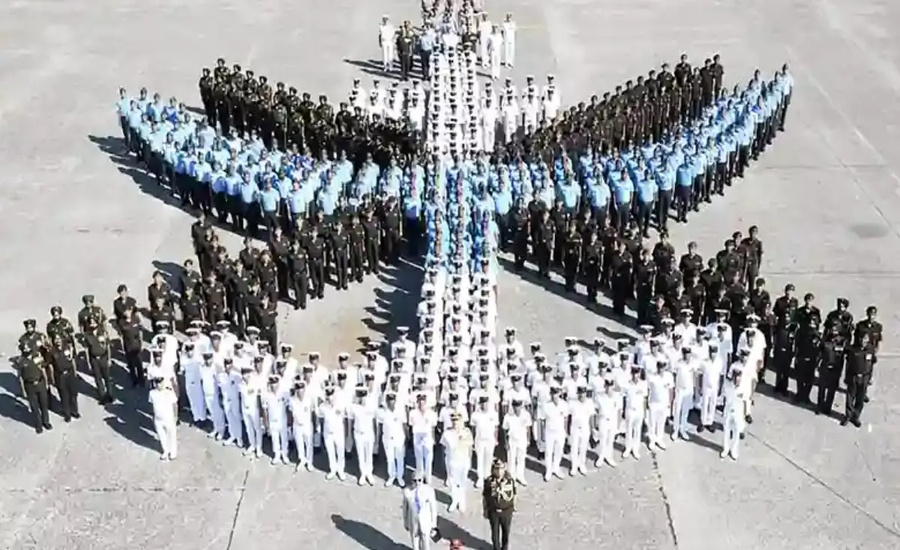
New Delhi: India’s shortage of fighter aircraft has become an important issue in the debate over Integrated Theatre Commands. However, the shortage should not necessarily be seen as a reason to delay military reforms. Instead, it highlights why India needs better coordination and joint planning among the Army, Navy and Indian Air Force (IAF).
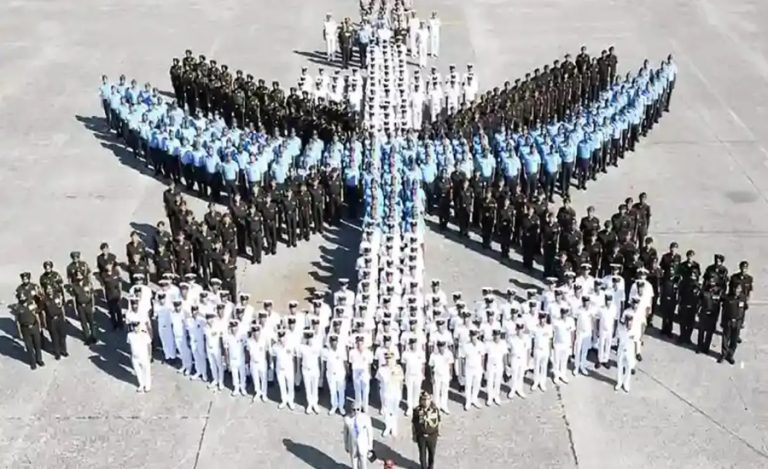
Theatre Commands aim to bring the three armed forces together under a unified operational structure. The main objective is to improve coordination, use available military resources more effectively and prepare India for future wars.
Why Is The IAF’s Fighter Shortage A Major Concern
The Indian Air Force is facing a significant shortage of fighter squadrons compared with its authorised strength.
The shortage has created challenges for the IAF, particularly when India needs to maintain its defence capabilities along multiple fronts.
Fighter aircraft are expensive military assets. Their development, purchase, maintenance and modernisation require large investments and considerable time.
This makes the effective use of existing aircraft and other defence resources extremely important.
What Are Integrated Theatre Commands
Integrated Theatre Commands are a proposed military structure designed to bring the Army, Navy and Air Force together under a unified command.
Under this system, the three services would work together to handle military operations in specific geographical regions or operational areas.
Instead of operating through separate service-based command structures, the forces would coordinate their resources and operations through an integrated system.
The main objective is to improve joint planning, reduce duplication and make military decision-making more effective.
The Department of Military Affairs (DMA), established in 2020, has an important role in promoting jointness and facilitating the restructuring of military commands.
Why Does The Fighter Shortage Support Integrated Theatre Commands
The shortage of fighter aircraft makes the effective management of available resources more important than ever.
When military resources are limited, better coordination between the three services can help improve operational planning.
Theatre Commands could help India coordinate air, land and naval operations according to the requirements of a particular military situation.
They could also improve cooperation in intelligence gathering, surveillance, logistics and the use of modern defence technologies.
The idea is not simply to divide aircraft among different commands. It is to create a system in which available military resources can be used more efficiently.
Why Is The Indian Air Force Concerned About Integrated Theatre Commands
The IAF has raised concerns about how the proposed Theatre Commands could affect its operational flexibility.
Unlike many ground-based military formations, fighter aircraft can travel long distances and operate across different geographical regions.
They can be moved from one operational area to another depending on the changing security situation.
The IAF believes that permanently assigning limited fighter aircraft to separate geographical commands could reduce its ability to concentrate air power wherever it is needed most.
The force has also stressed that air power should not be treated only as a supporting element for ground operations. It has independent strategic and offensive roles.
Why Is Joint Military Planning Important For India
India faces different security challenges across its land and maritime borders. A coordinated military structure could help the three services plan and execute operations more effectively.
For example, a military operation may require fighter aircraft, ground troops, naval assets, surveillance systems and intelligence support at the same time.
Better coordination between these forces could improve the speed of decision-making and the overall effectiveness of military operations.
The government has already taken steps towards greater military integration through the Department of Military Affairs and the Inter-Services Organisations (Command, Control and Discipline) Act, 2023.
The Act provides a legal framework for commanders of tri-service organisations to exercise command and disciplinary powers over personnel from different services.
FAQs
The IAF’s fighter aircraft strength is below its authorised requirement due to factors including the retirement of older aircraft and delays in the induction of new fighter jets.
Integrated Theatre Commands are proposed military structures that bring the Army, Navy and Air Force under a unified operational command to improve coordination and joint military operations.
The IAF is concerned that permanently dividing its limited fighter aircraft among different geographical commands could reduce its operational flexibility and ability to deploy air power wherever it is needed.