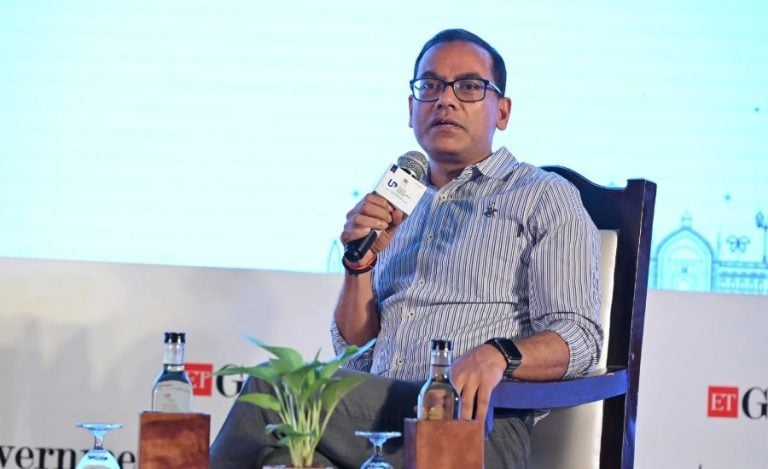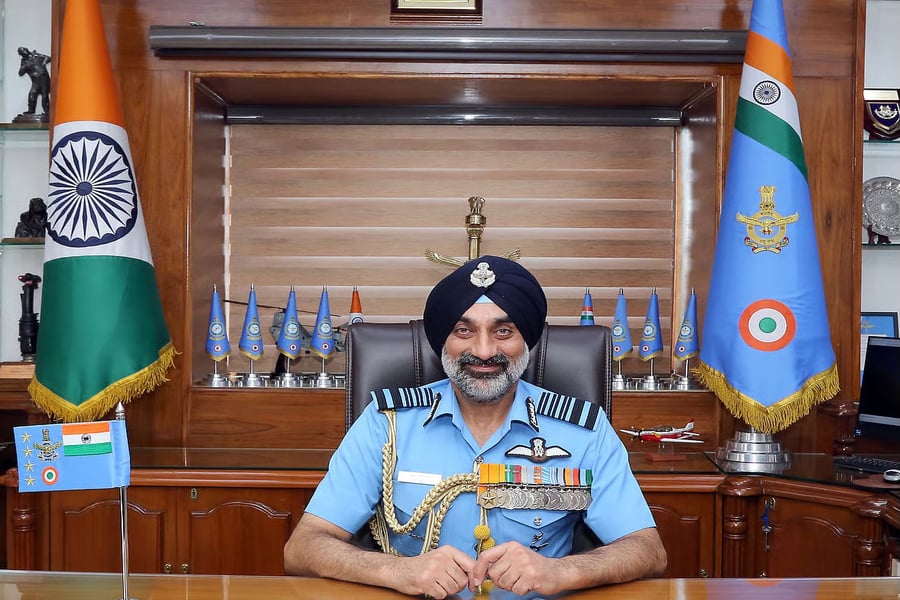
New Delhi: The IAF theaterisation reform debate gained fresh attention after Air Chief Marshal A P Singh clarified that the Indian Air Force (IAF) is not opposed to theaterisation. Speaking at an event in Kanpur, the Air Chief stressed that any military restructuring should be based on India’s unique requirements and implemented carefully to avoid disruption to existing operational structures. His remarks come as the government continues deliberations on the proposed Integrated Theatre Commands.
Theaterisation Reform: What Did Air Chief Marshal A P Singh Say
Air Chief Marshal A P Singh stated that the IAF is not against theaterisation, contrary to some media narratives. He emphasized that the armed forces should objectively assess what improvements are needed before adopting new structures.
Read also: Explained: Why Does Former IAF Chief Oppose India’s Su-57 Purchase
According to him, reforms should strengthen India’s defence capabilities without unnecessarily disturbing systems that are already functioning effectively.
Focus On India’s Own Requirements
The Air Chief said India should not simply copy military models used by other countries. Instead, he advocated developing a structure tailored to India’s operational needs, security challenges, and strategic environment.
What Is Theaterisation Reform
Theaterisation is a major defence reform aimed at improving coordination among the Army, Navy, and Air Force. Under this model, resources and assets from all three services are brought under unified theatre commands responsible for specific geographical regions or operational missions.
Objective Of Theaterisation Reform
The primary goal is to enhance joint planning, resource sharing, and operational efficiency. A unified command structure is expected to improve military response during conflicts and emergencies by enabling faster decision-making and better coordination among the services.
Why Is The Government Pursuing Theaterisation
The Government of India announced the theaterisation initiative in 2019 to strengthen tri-service integration. The reform seeks to create a more cohesive military structure capable of responding effectively to modern security challenges across land, sea, air, cyber, and space domains.
Current Status Of The Theaterisation Reform
The theatre command proposal remains under government consideration. Defence authorities continue to evaluate recommendations and conduct consultations before final approval and implementation.
IAF Calls For A Step-By-Step Approach
Air Chief Marshal Singh stressed that reforms should be introduced gradually. He warned against “shaking up” the current system and highlighted the need to maintain operational readiness while changes are being evaluated and implemented.
Minimal Disruption Is Key
According to the Air Chief, any restructuring should ensure continuity of ongoing operations. The focus should remain on strengthening national security while preserving capabilities that are already delivering results.
Support For Indigenous Defence Manufacturing
Apart from theaterisation, the Air Chief also reiterated support for India’s defence self-reliance efforts. He backed reducing dependence on imported military hardware and suggested greater collaboration between Indian private companies and foreign manufacturers to boost production capacity.
Strengthening India’s Defence Ecosystem
The emphasis on domestic manufacturing aligns with the government’s Atmanirbhar Bharat initiative. Increasing indigenous production is expected to improve supply chains, create jobs, and strengthen national security.
Read also: Why Operation Sindoor Ended in Just 4 Days: Air Chief Marshal AP Singh Explains
FAQs
No. Air Chief Marshal A P Singh has clarified that the IAF is not against theaterisation but wants an objective and carefully planned approach.
Theaterisation is a defence reform that integrates Army, Navy, and Air Force assets under unified theatre commands for better coordination and operational efficiency.
The IAF believes reforms should be introduced step by step to avoid disrupting existing military structures and maintain operational readiness.