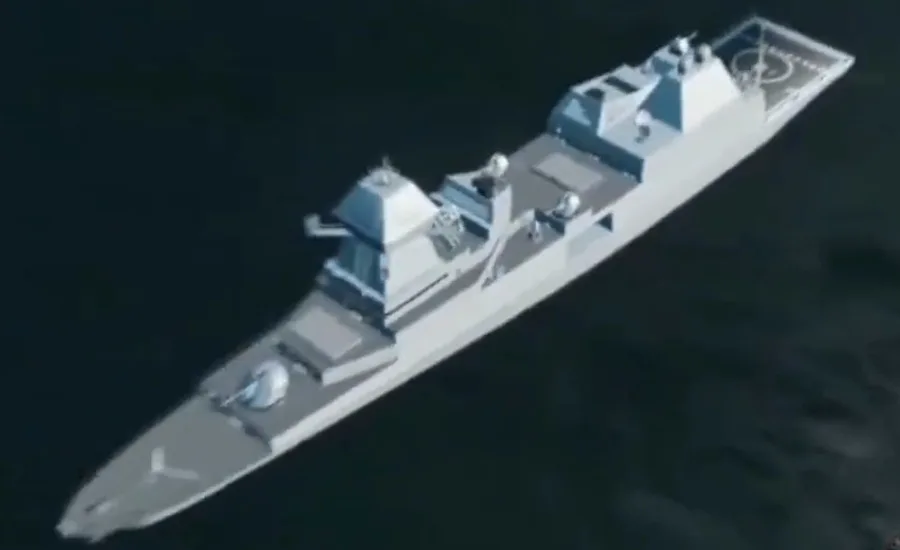
New Delhi: India is exploring Japanese destroyer technology for Project 18 warships, a major future naval program aimed at building the Indian Navy’s most advanced destroyers.
The focus is on learning from Japan’s Maya-class destroyers, especially in air defence, sensor fusion, ballistic missile defence, and network-centric warfare. The move could significantly strengthen India’s naval capabilities in the Indo-Pacific region.
What Is Project 18 Warships
Project 18 is the Indian Navy’s next-generation destroyer program. The warships are expected to displace between 11,000 and 13,000 tonnes, making them larger than the current Visakhapatnam-class destroyers and among the biggest surface combatants ever built by India.
Read also: Indian Navy BrahMos Missile Deployment: Key Plans, Benefits and 2030 Roadmap
The project is part of India’s long-term plan to modernize its fleet and improve maritime security across the Indian Ocean and Indo-Pacific region.
Why India Is Looking At Japanese Technology for Project 18 Warships
India is studying technologies used on Japan’s Maya-class destroyers. These warships are equipped with advanced air-defence systems, powerful radar networks, and sophisticated combat management systems designed to track and intercept multiple threats. The Maya-class vessels displace around 10,250 tonnes and are among the most capable destroyers operated by Japan.
Focus On Advanced Naval Warfare
Indian planners are particularly interested in Japanese expertise in:
- Integrated air defence
- Sensor fusion technology
- Ballistic missile defence
- Electronic warfare
- Network-centric operations
These technologies can improve situational awareness and battlefield coordination during naval operations.
How Project 18 Warships Will Be Different
India’s current Visakhapatnam-class destroyers have a displacement of about 7,400 tonnes. Project 18 warships are expected to be significantly larger, allowing space for more weapons, advanced radar systems, aviation facilities, and future upgrades.
Integrated Electric Propulsion
One of the most important planned features is Integrated Electric Propulsion (IEP). This system generates electrical power centrally and distributes it to propulsion systems, radars, electronic warfare equipment, and future high-energy weapons.
Experts believe this architecture will support future technologies such as directed-energy weapons and next-generation sensors.
Weapons And Combat Systems
India’s current destroyers carry Barak-8 air-defence missiles and BrahMos supersonic cruise missiles. Future Project 18 destroyers are expected to feature more advanced indigenous weapons, larger missile capacity, and next-generation radar systems.
The larger size of these ships could allow them to carry significantly more missiles and advanced electronic warfare systems than current Indian destroyers.
Strategic Importance For India
The Indian Navy is expanding its capabilities amid growing strategic competition in the Indo-Pacific region. Project 18 is expected to enhance India’s ability to protect sea lanes, safeguard national interests, and operate alongside advanced naval forces.
Boost To Aatmanirbhar Bharat
Although India is studying foreign technologies, the overall goal remains indigenous development. The program aligns with the government’s Aatmanirbhar Bharat initiative and aims to combine global best practices with Indian-built systems.
Read also: What Is A Submarine Rescue Test Plinth? Indian Navy’s New Facility Explained
FAQs
India wants to learn from Japanese expertise in air defence, ballistic missile defence, sensor fusion, and advanced naval combat systems for its future Project 18 warships.
Project 18 is the Indian Navy’s next-generation destroyer program aimed at building large, advanced warships with cutting-edge weapons, sensors, and propulsion systems.
Project 18 destroyers are expected to displace between 11,000 and 13,000 tonnes, making them larger than India’s current destroyers and among the biggest warships in the Indian Navy.