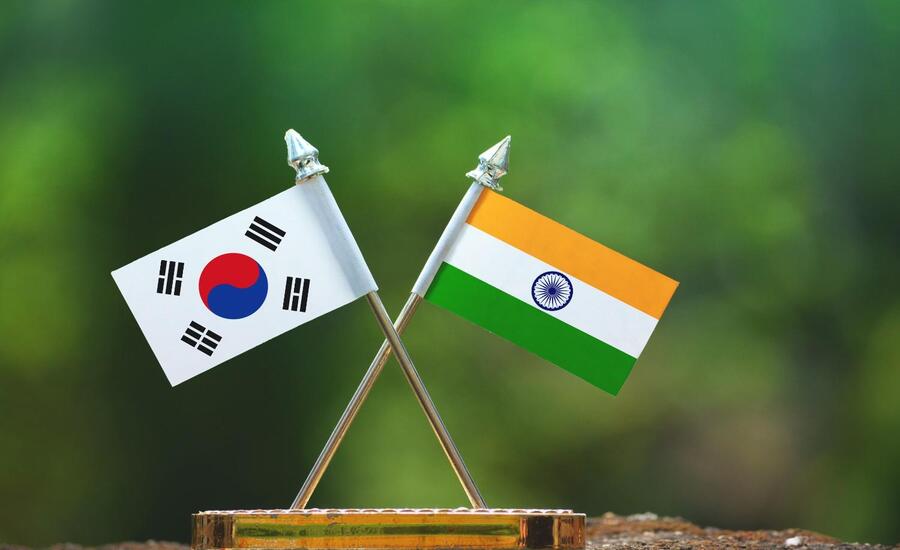
New Delhi: India and South Korea defence cooperation received a major boost as both countries reaffirmed their commitment to strengthen collaboration in defence production, logistics, and industrial partnerships. The announcement came during the 10th India–Republic of Korea Joint Committee Meeting on Defence Industries and Logistics Cooperation held in New Delhi.
According to official information released by India’s Ministry of Defence and the Press Information Bureau (PIB), both nations reviewed ongoing projects and explored new opportunities to expand defence manufacturing, technology cooperation, and supply chain partnerships.
India South Korea Defence Cooperation: Why This Meeting Matters
The India–South Korea defence partnership has grown steadily over the years. Both countries are looking to enhance military readiness, strengthen defence supply chains, and promote indigenous manufacturing through joint industrial cooperation. The latest meeting reflects the shared goal of building a stronger strategic relationship in the Indo-Pacific region.
Read also: India South Korea Defence Cooperation 2026: Key Agreements Explained
What Happened At The Joint Committee Meeting
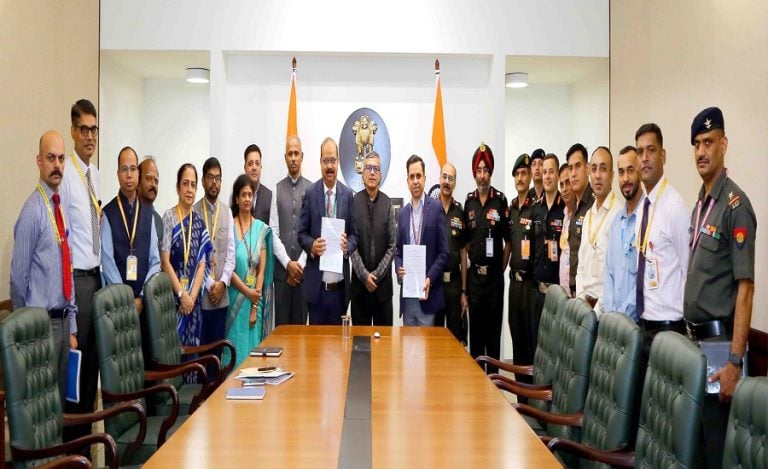
The 10th India–Republic of Korea Joint Committee Meeting on Defence Industries and Logistics Cooperation was held in New Delhi. The meeting was co-chaired by:
- Dinesh Mahur, Additional Secretary for Defence Production, Ministry of Defence, India.
- Kim Il Dong, Vice Minister of South Korea’s Defense Acquisition Program Administration (DAPA).
Both sides reviewed current defence engagements and discussed ways to expand industrial cooperation and logistics support.
Key Areas Discussed
The discussions focused on:
- Defence manufacturing cooperation.
- Joint production opportunities.
- Military logistics support.
- Defence technology collaboration.
- Strengthening supply chains.
- Expanding industrial partnerships.
Officials from both countries exchanged views on how to improve cooperation between defence industries and create new opportunities for joint development projects.
Defence Industry Leaders Also Participated
A large number of defence companies from India and South Korea participated in the discussions.
Indian Companies Present
Major Indian defence companies included:
- Larsen & Toubro (L&T)
- Bharat Earth Movers Limited (BEML)
These companies play important roles in India’s defence manufacturing ecosystem.
South Korean Companies Present
South Korea was represented by leading defence and aerospace firms, including:
- Hanwha Aerospace
- Korean Air
- Hanwha Systems
- Korea Aerospace Industries (KAI)
- DS Navcours
The participation of these companies highlighted the growing business interest in India-South Korea defence cooperation.
India South Korea Defence Cooperation: High-Level Bilateral Talks Held
On the sidelines of the meeting, South Korean Vice Minister Kim Il Dong met India’s Minister of State for Defence, Sanjay Seth.
During the interaction, both leaders reaffirmed their commitment to expanding cooperation in defence production and logistics. They also discussed ways to strengthen supply chains and improve industrial collaboration between the two countries.
Senior Officials Attended
The meeting was attended by several senior officials from both countries, including:
- Seong Ho Lee, Ambassador of the Republic of Korea to India.
- Dr Vijay Namdeorao Zade, Joint Secretary for Naval Systems, Department of Defence Production.
Military and civilian officials from both nations were also present.
Read also: Indian Army Eyes South Korea’s K30 Biho Again as Drone Warfare Changes Combat Dynamics
FAQs
Indian companies such as Larsen & Toubro and BEML participated, along with South Korean firms including Hanwha Aerospace, Korean Air, Hanwha Systems, Korea Aerospace Industries, and DS Navcours.
The meeting was held to review ongoing defence cooperation and explore new opportunities in joint production, logistics support, and industrial partnerships.
India can benefit through technology partnerships, increased defence manufacturing, stronger supply chains, improved logistics support, and greater opportunities for indigenous defence production.