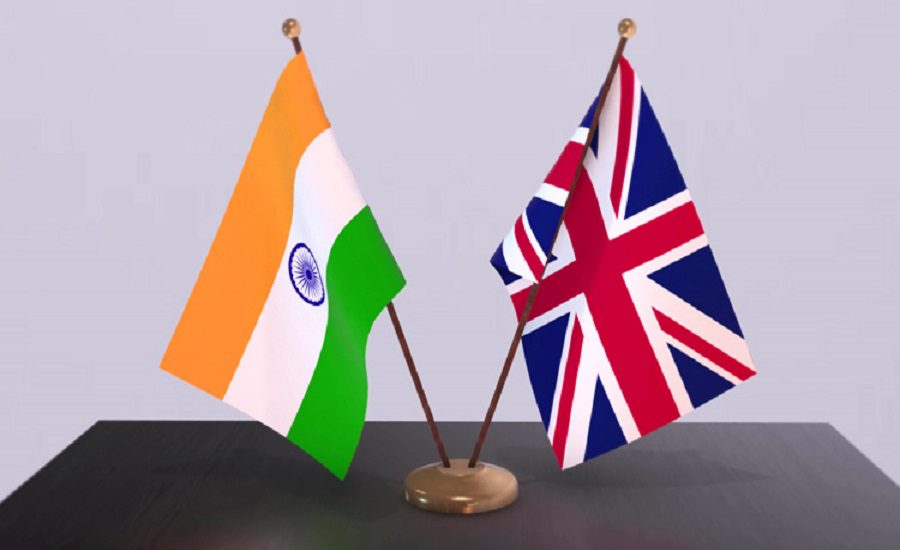
New Delhi: The India UK IFEP agreement is set to become a major milestone in defence cooperation between the two countries. India and the United Kingdom are preparing to sign an agreement for the development of Integrated Full Electric Propulsion (IFEP) systems for four Landing Platform Docks (LPDs) planned for the Indian Navy. The project aims to strengthen India’s indigenous defence manufacturing capabilities while bringing advanced naval propulsion technology to the country.
Details of India UK IFEP Agreement
India and the United Kingdom are expected to sign an agreement focused on the development of IFEP systems for the Indian Navy’s upcoming fleet of four Landing Platform Docks.
Read also: India and UK Eye Next-Generation Warfare with New Autonomous Systems Partnership
The project will build upon the existing partnership between UK-based GE Vernova and Bharat Heavy Electricals Limited (BHEL). The collaboration is expected to support the co-design, co-creation and co-production of advanced electric propulsion technology in India.
What Is The IFEP Technology
Integrated Full Electric Propulsion (IFEP) is an advanced technology that uses an integrated electrical system to power a ship’s propulsion and onboard systems. Unlike conventional propulsion systems, IFEP offers greater flexibility in power distribution and energy management. This technology can improve fuel efficiency, operational performance and future adaptability of naval vessels.
Why IFEP Is Important For The Indian Navy
The Indian Navy is modernising its fleet with next-generation warships and amphibious vessels. The introduction of IFEP technology is expected to improve operational efficiency and support future naval platforms with advanced power requirements.
India UK IFEP Agreement: Four Landing Platform Docks To Be Built In India
The propulsion systems developed under the agreement are planned for four Landing Platform Docks being proposed for the Indian Navy. LPDs are large amphibious warfare ships designed to transport troops, military vehicles, helicopters and equipment during military operations, humanitarian missions and disaster relief efforts.
Key Role Of Landing Platform Docks
These vessels are expected to strengthen India’s amphibious warfare capabilities. They can support troop deployment, humanitarian assistance, disaster relief operations and evacuation missions during emergencies.
India UK IFEP Agreement: Land-Based Testing Facility To Be Established
As part of the programme, GE Vernova and BHEL are establishing India’s first maritime land-based testing facility for IFEP technology. The facility will be used to validate and test the propulsion system before it is integrated into naval platforms. This step is expected to improve reliability and reduce operational risks.
Boost For Make In India And Defence Manufacturing
The proposed agreement aligns with India’s broader goal of increasing indigenous defence production. By bringing advanced propulsion technology to India, the project is expected to strengthen domestic manufacturing capabilities and reduce dependence on foreign suppliers for critical naval technologies.
Future Impact of India UK IFEP Agreement On Indian Naval Modernisation
The development of IFEP technology for the Indian Navy’s future LPD fleet could significantly enhance the country’s maritime capabilities.
Experts believe advanced electric propulsion systems will play a key role in next-generation warships by offering greater efficiency, flexibility and operational effectiveness.
Read also: India And UK Close To Signing Major Martlet Missile Pact For Indian Army
FAQs
The India UK IFEP Agreement is a proposed defence technology partnership for developing Integrated Full Electric Propulsion systems for four future Indian Navy Landing Platform Docks.
The project involves UK-based GE Vernova and India’s Bharat Heavy Electricals Limited (BHEL), which will collaborate on propulsion technology development and testing.
Landing Platform Docks support amphibious warfare, troop transportation, disaster relief operations and humanitarian assistance missions, making them important strategic assets for the Indian Navy.