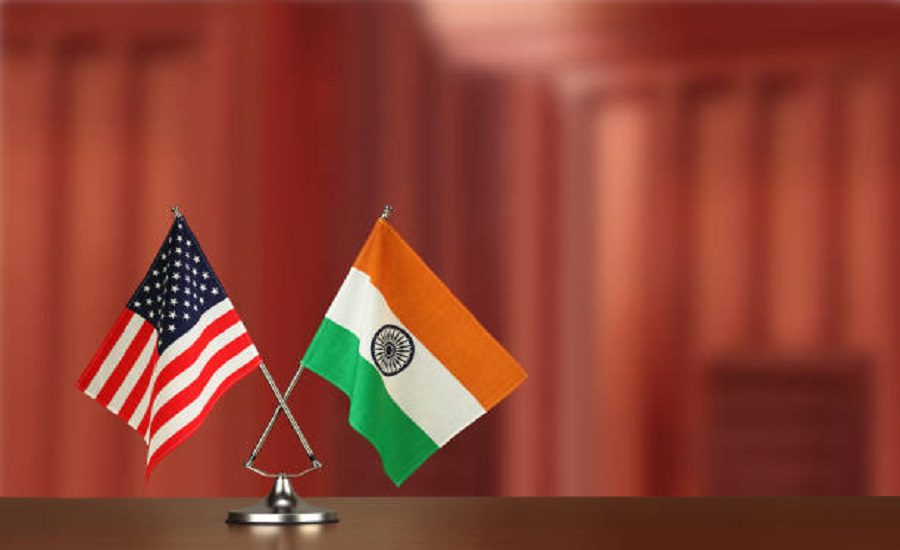
New Delhi: India US F-35 fighter jet deal took a major twist as India rejected the offer because it focuses on strategic autonomy, indigenous defence production, and the development of the Advanced Medium Combat Aircraft (AMCA). While reports suggest the US offered the fifth-generation stealth fighter, the Indian government has repeatedly stated that no formal discussions or negotiations on the F-35 purchase have taken place. India’s long-term defence strategy continues to prioritise self-reliance under the ‘Make in India’ initiative.
India US F-35 Fighter Jet Deal: Why Is India Not Moving Ahead with the F-35
Recent reports claim that India has decided not to pursue the US-made F-35 Lightning II fighter jet. According to these reports, the decision is based on India’s long-term defence priorities rather than a rejection of advanced technology. The focus remains on building indigenous capabilities and protecting strategic independence.
Read also: India’s First Indigenous Rotating Detonation Engine: Features, Benefits And Future Applications
India US F-35 Fighter Jet Deal: No Formal Talks on F-35, Says Government
The Government of India has officially clarified that no formal discussions or negotiations have taken place with the United States regarding the purchase of F-35 fighter jets. The clarification came in Parliament after questions were raised about India’s defence cooperation with the US.
Why India Is Prioritising AMCA
India is investing heavily in the Advanced Medium Combat Aircraft (AMCA) programme. AMCA is India’s indigenous fifth-generation stealth fighter aircraft being developed to strengthen the Indian Air Force while reducing dependence on foreign defence platforms. The project is a key part of the government’s Atmanirbhar Bharat and Make in India vision.
India US F-35 Fighter Jet Deal: Strategic Autonomy Remains a Key Priority
India has traditionally followed a policy of strategic autonomy, which allows it to make defence and foreign policy decisions independently. Experts believe this approach helps India maintain flexibility while working with multiple global partners without becoming dependent on any single country.
Cost and Long-Term Operations Also Matter
The F-35 is one of the world’s most advanced fighter aircraft, but it also comes with high acquisition, maintenance, and lifecycle costs.
Defence experts have pointed out that India carefully evaluates long-term operating expenses, technology access, logistics support, and compatibility before making major defence purchases.
Focus on Indigenous Defence Manufacturing
The Indian government continues to encourage domestic defence manufacturing through Make in India. Projects like AMCA, along with greater participation from Indian public and private defence companies, are expected to strengthen India’s long-term defence capabilities and reduce import dependence.
Read also: India Launches New Defence Digital Platform to Connect Armed Forces With Domestic Manufacturers