11 November 2026
ADVERTISEMENT
ADVERTISEMENT

Project Kusha M1 Wind Tunnel Trials Confirm Readiness For Next Development Phase

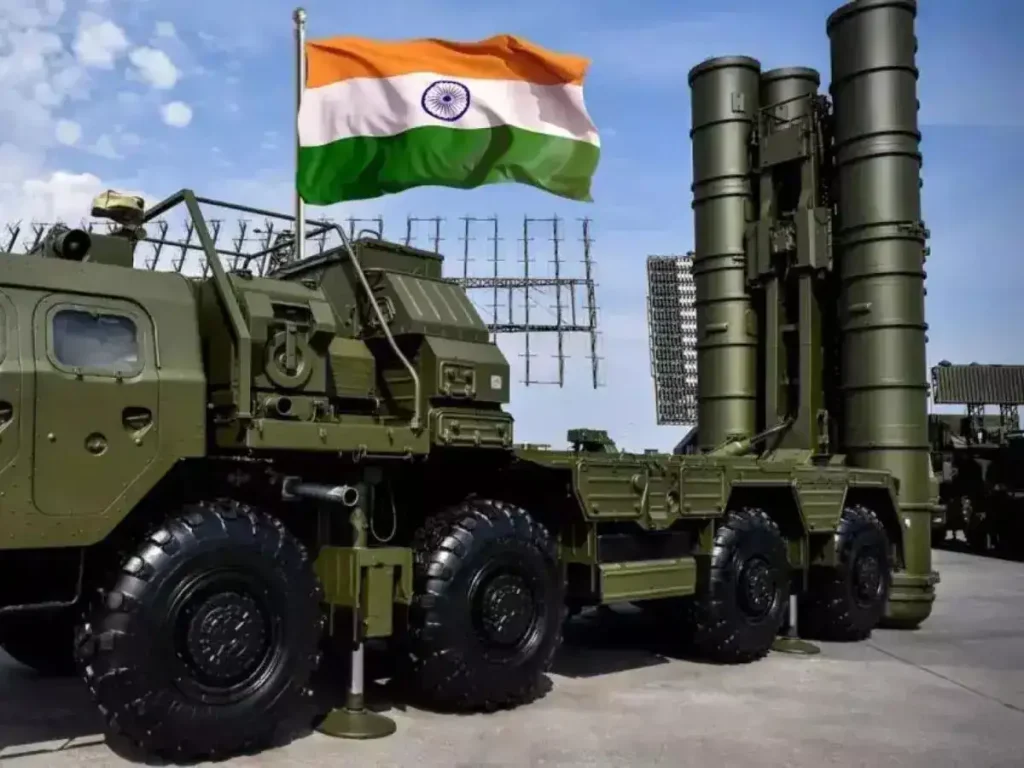
Project Kusha's M1 interceptor has successfully completed crucial wind tunnel trials at NAL Bengaluru. The milestone validates the missile's aerodynamic performance and prepares it for upcoming flight tests, strengthening India's indigenous air defence programme.
Kusha Air Defence System Kolkata Deployment
Indian Masterminds Stories

Bengaluru: Project Kusha M1 Interceptor has successfully completed critical wind tunnel trials at the National Aerospace Laboratories (NAL) in Bengaluru. The achievement marks an important milestone for India’s indigenous long-range air defence programme and strengthens the country’s efforts to build a self-reliant missile defence shield. The tests validated the missile’s aerodynamic performance and readiness for future flight trials, bringing Project Kusha one step closer to operational deployment.

What Is Project Kusha

Project Kusha is India’s indigenous long-range air defence system being developed by the Defence Research and Development Organisation (DRDO). 

Read also: Project Kusha: DRDO Reveals How India Will Reduce Dependence on Imported Air Defence Systems

The programme is designed to provide multi-layered protection against fighter aircraft, cruise missiles, drones, and other aerial threats. The system consists of three interceptor variants:

  • M1 Interceptor – Range up to 150 km
  • M2 Interceptor – Range up to 250 km
  • M3 Interceptor – Range of 350–400 km

Together, these missiles are expected to form a powerful defensive shield for the Indian Air Force.

Project Kusha M1 Interceptor: Why The Wind Tunnel Trials Matter

Wind tunnel testing is a crucial stage in missile development. During the trials at NAL Bengaluru, engineers evaluated the M1 interceptor under simulated high-speed airflow conditions. The tests examined aerodynamic stability, lift-to-drag ratios, control surfaces, and overall flight behaviour. These evaluations help ensure that the missile can perform reliably in real combat situations. The successful completion of these tests confirms that the missile’s design is progressing as planned and is ready for the next phase of development.

Key Areas Evaluated During Testing

  • Aerodynamic stability
  • Drag and lift performance
  • Nose cone efficiency
  • Control surface effectiveness
  • High-speed flight behaviour
  • Manoeuvrability against aerial threats

The data collected during the trials will be used to fine-tune the missile before flight testing begins.

Project Kusha M1 Interceptor Designed For Modern Air Threats

The M1 interceptor is specifically designed to engage highly agile aerial targets.

These include:

  • Fighter aircraft
  • Cruise missiles
  • Stealth threats
  • Armed drones
  • Other airborne targets

With an engagement range of approximately 150 km, the M1 will serve as the first defensive layer of Project Kusha’s multi-tier air defence architecture.

Indigenous Technology At The Core

Project Kusha highlights India’s growing capability in advanced defence technology. The programme combines computational fluid dynamics (CFD), advanced guidance systems, indigenous radars, and modern interceptor technologies. Wind tunnel testing also helps validate computer-generated simulations, ensuring real-world performance matches design expectations.

The project is being developed with support from Indian defence industry partners, helping reduce dependence on foreign air defence systems.

Read also: Can AD-1, AD-2 And Project Kusha Protect India From Future Missile Threats? Here’s What We Know

FAQs

What Is The Range Of The M1 Interceptor?

The M1 interceptor is designed to engage aerial targets at ranges of up to 150 kilometres.

What Is Project Kusha?

Project Kusha is an indigenous long-range air defence programme developed by DRDO to protect India from aircraft, cruise missiles, drones, and other aerial threats.

Why Are Wind Tunnel Trials Important?

Wind tunnel trials help engineers evaluate a missile’s aerodynamic performance, stability, control, and flight characteristics before actual flight testing.



Indian Masterminds Stories
Join our WhatsApp Channel
ADVERTISEMENT
ADVERTISEMENT
Related Stories
ADVERTISEMENT
ADVERTISEMENT
NEWS
PMGSY Bihar rural road connectivity
34 Bihar IAS Officers of 2014 Batch Promoted; Nalanda DM Udita Singh, Patna Municipal Commissioner Yashpal Meena Among Them
Pranjal Patil IAS
Who Is Pranjal Patil? CAT Quashes Transfer of First Visually Impaired Woman IAS Officer to Arunachal Pradesh, Citing Disability Rights Act
cm dhami
Uttarakhand CM Dhami Writes to PM Modi, Highlights Development and Public Welfare Initiatives
Idashisha Nongrang Meghalaya DGP
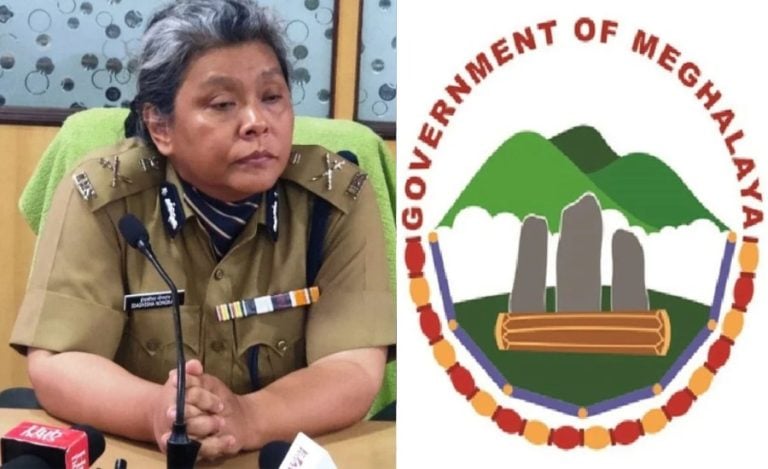
Who Is Idashisha Nongrang? Meghalaya’s First Woman DGP Nears End of Tenure Amid Succession Delay
Gaurav Yadav IPS
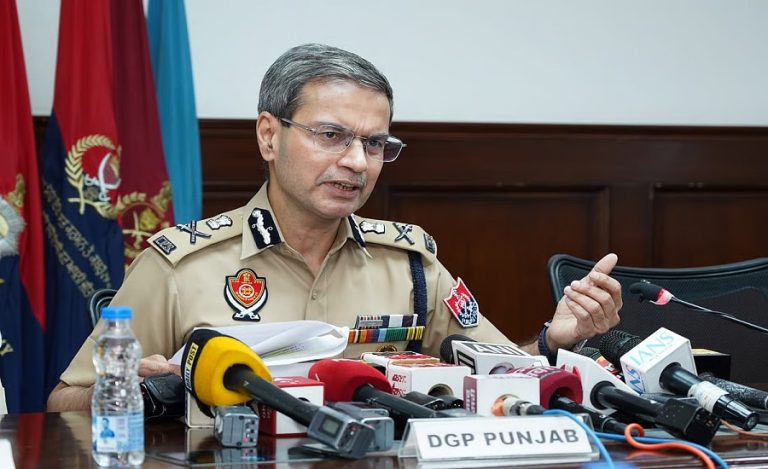
Punjab DGP Flags Online Recruitment of Youth by Pakistan-Based Operatives; Highlights Yuva Sanjh Initiative
Godda Homeopathic Medical College
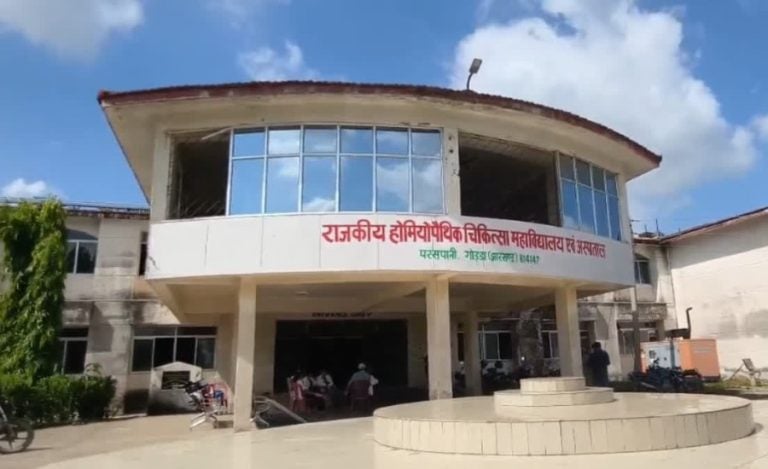
Godda Homeopathic Medical College to Get ₹2.70 Crore Infrastructure Upgrade; E-Tendering Underway
India COP31 Climate Finance Obligations
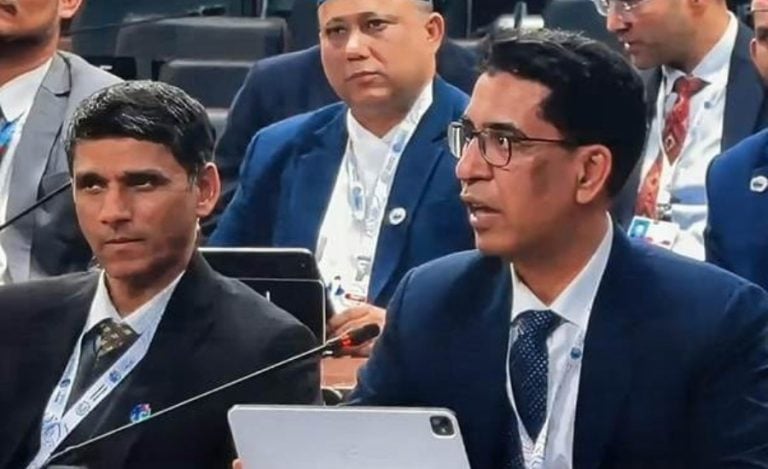
India Presses Developed Nations to Honour Paris Agreement Climate Finance Obligations at COP31
Bihar Chhath Puja Safety Arrangements 2026
Bihar Directs All Districts to Strengthen Chhath Safety Arrangements, Bans Private Boats
ADVERTISEMENT
ADVERTISEMENT
Videos
Five years after Kargil, India sent its cricketing heroes to Pakistan where terrorism posed a deadly threat. The man guarding them, former Special Director of Intelligence Bureau, Mr. Yashovardhan Azad, reveals what all went behind the scenes during that crucial tour. 
Trust No One, Said His Instinct in Pakistan
Gajendra Singh Shekhawat
How India Plans to Boost Tourism, Create Jobs and Ease Overcrowding : Gajendra Singh Shekhawat on the Road to 2047
Dr Saket Badola IFS
Beyond Tigers and Safaris: How Corbett Literature Festival Wants to Change the Conservation Conversation
ADVERTISEMENT
UPSC Stories
Aniket Sagar ICoAS
No Coaching, Full-Time Job and Two Attempts: How Aniket Sagar Cleared ICoAS
Aniket Sagar, a chartered accountant from Bundelkhand, cleared UPSC ICoAS 2025 after working at PwC,...
IDAS Himanshu Tembhekar
Should UPSC Aspirants Give Up Their Hobbies? IDAS Officer Himanshu Tembhekar Explains
Should UPSC aspirants give up their hobbies? IDAS officer Himanshu Tembhekar explains how hobbies help...
UPSC Story
He Taught Students to Meet Expenses. Today, Sachin Bhadouria is a Scientist ‘B’ at CWPRS
Sachin Bhadouria overcame financial challenges and a Hindi-medium background to secure AIR 2 in a UPSC...
CSR NEWS
NCL CSR Blood Bank Project
NCL Signs ₹1.16 Crore CSR MoU to Establish Blood Bank at District Hospital in Singrauli
The project will fund essential medical equipment, furniture and renovation of the existing building...
REC Foundation Solar Street Light
REC Foundation to Install 350 Solar Street Lights Across Six Districts of West Bengal to Improve Rural Safety 
The CSR initiative, undertaken in partnership with Y4D Foundation, aims to improve night-time safety...
nalco
NALCO Signs MoU with SDI Bhubaneswar to Provide Skill Training to 60 Youths in Odisha
The three-month CSR programme will benefit youths from villages near NALCO's Angul and Koraput complexes,...
ADVERTISEMENT
ADVERTISEMENT
ADVERTISEMENT
Latest
PMGSY Bihar rural road connectivity
34 Bihar IAS Officers of 2014 Batch Promoted; Nalanda DM Udita Singh, Patna Municipal Commissioner Yashpal Meena Among Them
Pranjal Patil IAS
Who Is Pranjal Patil? CAT Quashes Transfer of First Visually Impaired Woman IAS Officer to Arunachal Pradesh, Citing Disability Rights Act
ADVERTISEMENT
ADVERTISEMENT
ADVERTISEMENT
ADVERTISEMENT
ADVERTISEMENT
ADVERTISEMENT
ADVERTISEMENT
Videos
Five years after Kargil, India sent its cricketing heroes to Pakistan where terrorism posed a deadly threat. The man guarding them, former Special Director of Intelligence Bureau, Mr. Yashovardhan Azad, reveals what all went behind the scenes during that crucial tour. 
Gajendra Singh Shekhawat
Dr Saket Badola IFS
ADVERTISEMENT
ADVERTISEMENT