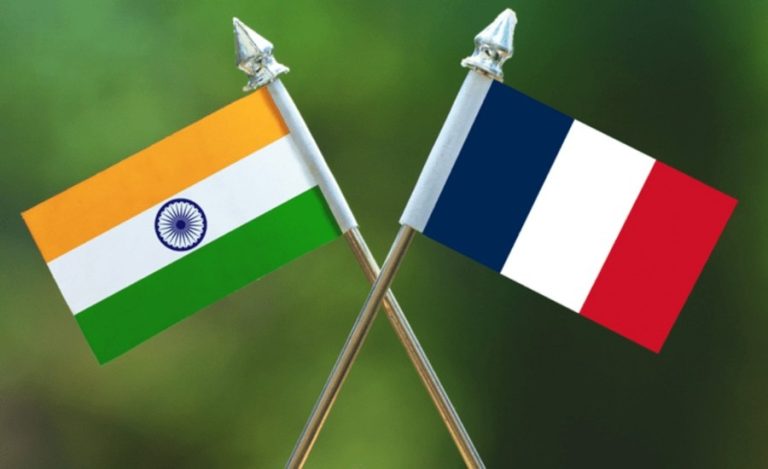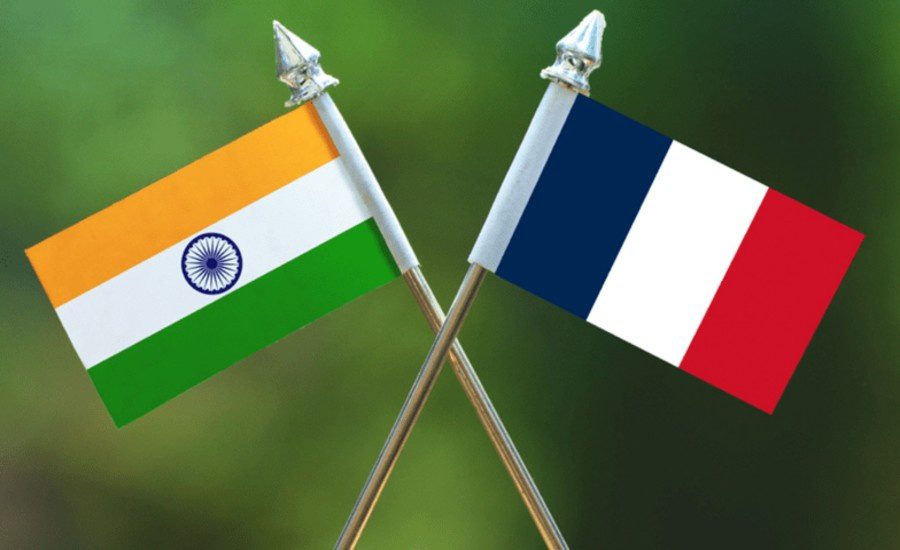
New Delhi: India has reportedly raised a key condition in the Rafale deal. This source code issue highlights India’s effort to gain greater control over its advanced fighter aircraft and reduce dependence on foreign suppliers.
The issue is important because source code can affect how a fighter’s software is maintained, updated, and integrated with other military systems. However, access to sensitive defence software is a major concern for aircraft manufacturers. The reported disagreement could affect negotiations over India’s future Rafale procurement.
India Rafale Deal: What Is The Rafale Source Code Issue
According to the reports India wants access to the source code associated with the Rafale fighter aircraft as part of discussions with France.
Read also: India-France Rafale M Deal: How India Plans To Integrate Its Own Weapons in Rafale M Fighter Jets
Source code is the underlying set of software instructions that helps control a computer-based system. In a modern fighter aircraft, software supports several important functions, including mission systems, sensors, and the management of onboard equipment.
Access to this code could give India greater flexibility to maintain or modify certain aircraft systems. However, the exact scope of the reported Indian demand and France’s formal position require confirmation from official sources.
Why Does India Want Rafale Source Code Access
India operates advanced military aircraft and needs to maintain them over many years. Access to relevant software could potentially help Indian teams manage certain upgrades and integrate approved Indian technologies.
1. Greater Control Over Aircraft Upgrades
Source code access may allow authorised Indian engineers to understand and modify selected software functions, subject to technical restrictions and the terms of the agreement.
This could reduce dependence on the original manufacturer for some future changes. However, access to source code alone does not guarantee permission or technical ability to change every aircraft system.
2. Integration Of Indian Weapons And Systems
India has been working to increase the use of locally developed defence technologies. Greater access to aircraft software could potentially support the integration of approved Indian weapons, communication systems, and other equipment.
Such integration requires extensive testing and approval. It also depends on the aircraft’s design, safety requirements, and agreements with the manufacturer.
3. Long-Term Maintenance And Strategic Independence
Fighter aircraft can remain in service for decades. During this period, their software and equipment may require upgrades to respond to changing operational needs.
Greater control over selected software functions could help India develop its domestic aerospace capabilities. It could also support the country’s wider goal of reducing dependence on foreign defence technology.
Why Is Source Code Important For A Fighter Aircraft
Source code is different from the physical aircraft and its ordinary operating manuals. It contains software instructions that determine how computer-based functions work.
For an advanced fighter such as the Rafale, some software is closely connected to sensitive military capabilities. This makes access to the code a technical, commercial, and national security issue.
Access may also be limited to specific software modules rather than the complete aircraft software. The rights granted would depend on the agreement between the buyer and the manufacturer.
Why Could France Be Reluctant To Share The Code
Sharing sensitive fighter aircraft software can create several concerns for an aircraft manufacturer and its home country.
Protection Of Sensitive Defence Technology
The Rafale is a French-developed combat aircraft. Its software and associated systems may contain technology that France considers strategically sensitive.
Providing extensive access could raise concerns about protecting intellectual property and military technology. Any sharing arrangement would therefore need clear restrictions and security safeguards.
Control Over Software Changes
Changes to fighter aircraft software can affect safety, performance, and compatibility with other systems. Manufacturers typically need to ensure that modifications are properly tested and approved.
For this reason, a country may receive maintenance rights or limited integration support without receiving unrestricted access to the complete source code.
Important: These are general technical and security considerations. They should not be treated as a confirmed official explanation for France’s position in the reported negotiations.
What Could The Source Code Disagreement Mean For The India Rafale Deal
If the reported condition remains unresolved, both sides may need to discuss alternative arrangements. These could include limited software access, technology-transfer provisions, joint integration work, or manufacturer-supported upgrades.
The final terms would depend on negotiations and the scope of India’s requirements. There is not enough confirmed information here to conclude that the issue will delay, reduce, or cancel a Rafale purchase. The reported disagreement also highlights a wider challenge for countries buying advanced military aircraft: balancing access to technology with the manufacturer’s need to protect sensitive systems.
Read also: India Has A Rare Opportunity To Secure Advanced Military Technology From Russia
FAQs
There is no confirmed information in the material available here establishing that France has agreed to provide India with the Rafale’s source code. The final position would depend on official statements and the terms of any agreement.
India reportedly wants source code access to gain greater control over aircraft software, support future upgrades, and potentially integrate approved Indian technologies. The exact scope of the demand requires official confirmation.
A delay cannot be confirmed based on the reported source code issue alone. The effect on the deal would depend on the negotiations, the agreed technology-transfer terms, and official announcements from both countries.