New Delhi: India’s Defence Minister Rajnath Singh has warned that modern warfare is rapidly changing, with threats now extending beyond traditional border conflicts. Cyberattacks, drone swarms, proxy wars and information operations are becoming important parts of modern warfare.
Addressing Indian Air Force personnel at Bagdogra in West Bengal, Singh stressed the need for stronger cyber security, military preparedness and awareness to protect India’s national security.
Rajnath Singh Highlights The Changing Nature Of Modern Warfare
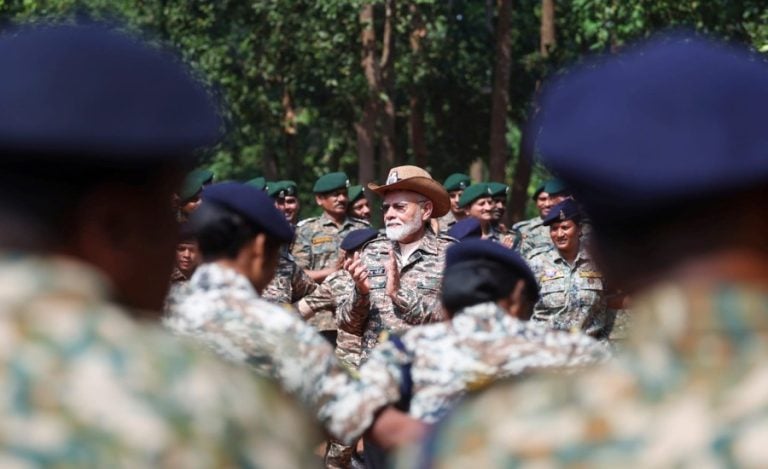
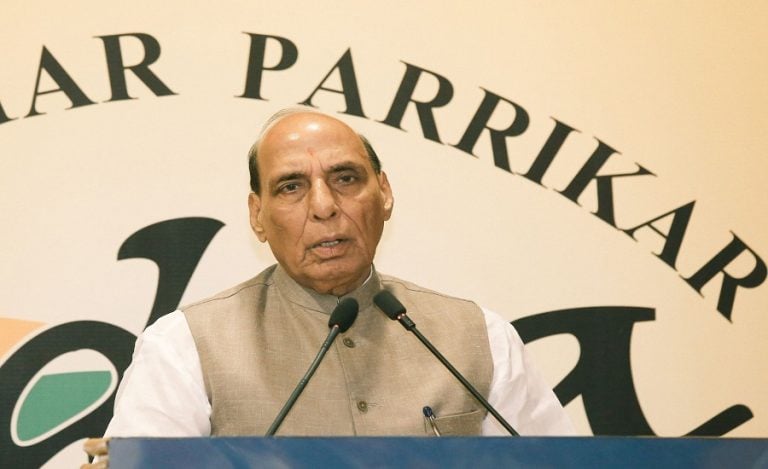
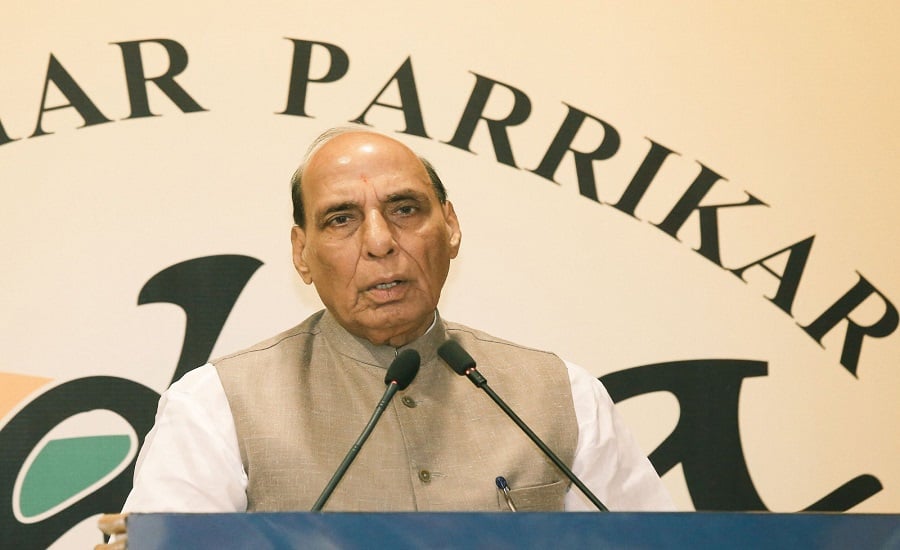
Defence Minister Rajnath Singh addressed Indian Air Force (IAF) personnel at Air Force Station Bagdogra, West Bengal, on November 7, 2026, ahead of Diwali.
Read also: Indian Army to Modernise Warfare With Drone Fleet Expansion and Baaz Battalions
During his interaction with the Air Warriors, he explained that modern warfare is no longer limited to traditional fighting along international borders.
According to Singh, military threats have expanded to include several new forms of conflict, such as:
- Cyberattacks against military and government systems.
- Drone swarms used for surveillance and attacks.
- Proxy wars involving indirect military support.
- Asymmetric warfare using unconventional methods.
- Information operations designed to influence public opinion.
- Misleading social media campaigns to create confusion.
He said that countries must prepare for these changing threats instead of focusing only on conventional military operations.
Cyberattacks And Social Media Becoming New Security Threats
Rajnath Singh warned that modern enemies increasingly try to exploit security weaknesses without directly engaging in military conflict.
He highlighted the growing use of social media to spread misleading information and create confusion among soldiers and local communities.
Such campaigns can damage public trust, create misunderstandings and affect the confidence of military personnel.
The Defence Minister said that soldiers must now remain alert to both physical and digital threats. He stressed three important areas for the armed forces:
1. Domain Awareness
Military personnel must understand the security situation around them and remain aware of possible threats in their operational areas.
2. Cyber Resilience
Soldiers and defence organisations must develop the ability to protect their systems and operations against cyberattacks.
3. Information Integrity
Military personnel must identify misleading information and help prevent false narratives from affecting national security.
Singh emphasised that alertness and responsible decision-making are essential to counter these emerging challenges.
Drone Swarms And Advanced Technologies Changing Modern Warfare Operations
The increasing use of drones is another major challenge for modern armed forces. Drone technology is changing military operations by providing surveillance, intelligence and attack capabilities.
Drone swarms can involve multiple unmanned aerial vehicles operating together. They can create additional challenges for traditional air defence systems.
Rajnath Singh highlighted India’s growing efforts to develop indigenous drones, anti-drone systems and advanced military equipment.
He also appreciated the contribution of Indian start-ups and domestic defence industries in developing modern technologies.
The Defence Minister said that Indian armed forces are adopting indigenous technologies and improving their skills in drone operations and cyber security.
These developments are important for the government’s vision of Aatmanirbhar Bharat, which aims to strengthen India’s domestic defence manufacturing capabilities and reduce dependence on foreign equipment.
Bagdogra Air Force Station Holds Strategic Importance
During his interaction, Rajnath Singh described Bagdogra as an important location in India’s security framework, particularly for the eastern and North-Eastern regions.
The Air Warriors deployed in this region play an important role in protecting India’s eastern security interests. He praised their courage, dedication and contribution to national security.
Singh also stressed that maintaining high operational readiness is essential because of the region’s strategic importance.
He encouraged military personnel to remain prepared for different types of security challenges.
FAQs
He emphasised cyber security because adversaries increasingly use digital attacks and misleading information to exploit security weaknesses and create confusion among soldiers and civilians.
Rajnath Singh said that modern warfare now includes cyberattacks, drone swarms, proxy wars, asymmetric warfare and information operations, beyond traditional border conflicts.
India is encouraging domestic defence companies and start-ups to develop drones, anti-drone systems and advanced military equipment under the Aatmanirbhar Bharat initiative.