New Delhi: Delhi has expanded its air quality monitoring network to 60 Continuous Ambient Air Quality Monitoring Stations (CAAQMS) and introduced 150 new electric buses as part of efforts to strengthen pollution control and promote cleaner public transport.
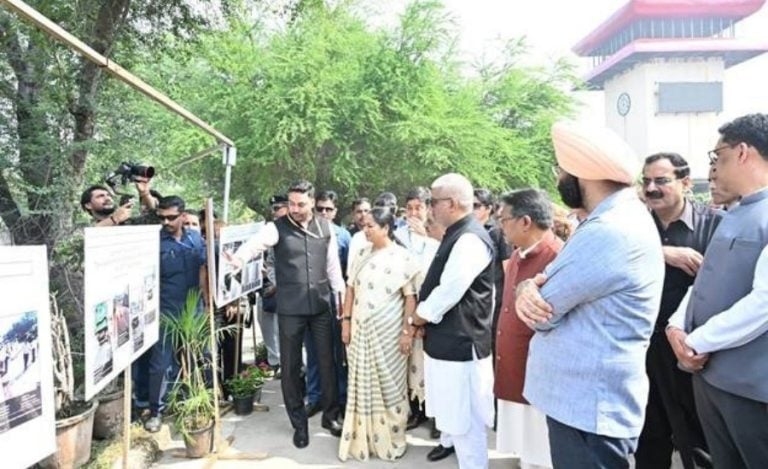
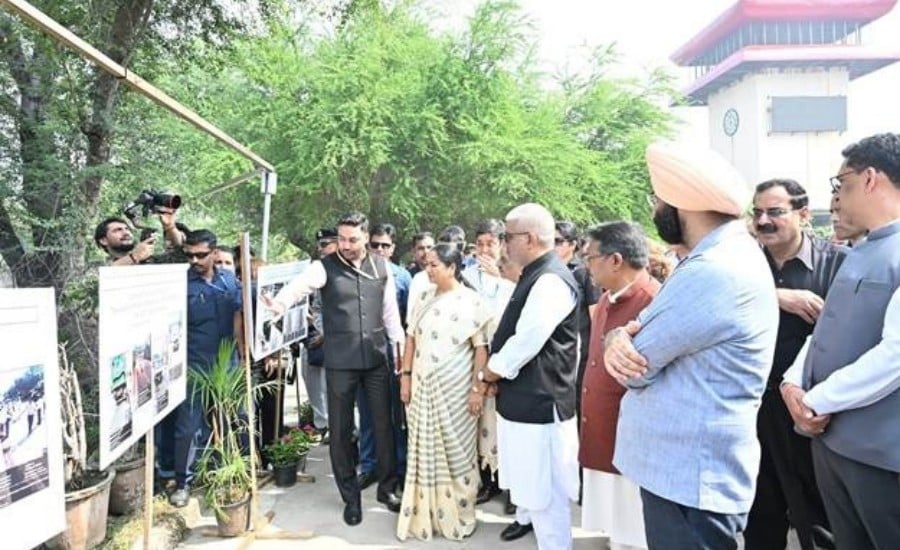
Union Environment Minister Bhupender Yadav and Delhi Chief Minister Rekha Gupta reviewed air pollution mitigation measures at Anand Vihar, identified as a major pollution hotspot, and visited the Delhi Pollution Control Committee’s (DPCC) AI-enabled Integrated Command and Control Centre (ICCC) at Shastri Park on Tuesday.
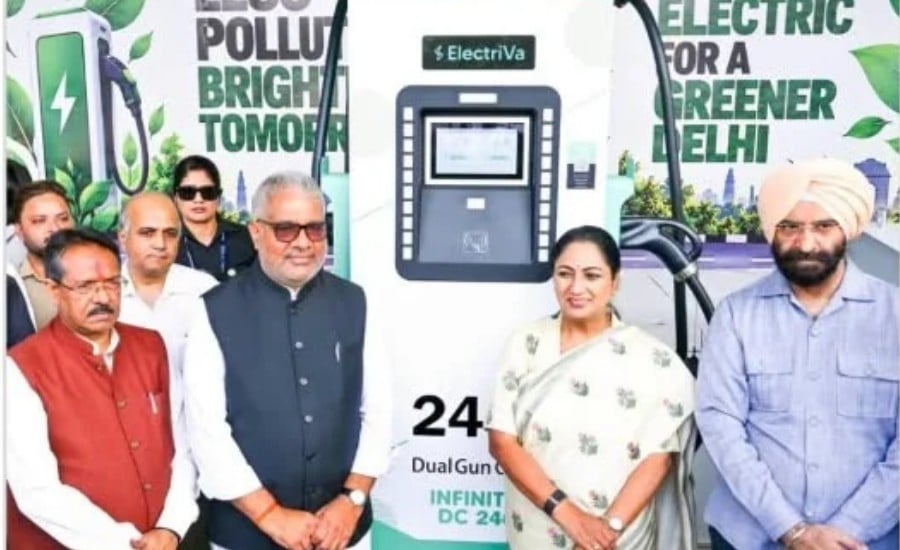
During the programme, the dignitaries inaugurated 13 new air quality monitoring stations across the national capital and virtually inaugurated public electric vehicle (EV) charging stations at five locations.
The initiatives are aimed at improving air quality monitoring, strengthening enforcement and expanding electric mobility in Delhi, according to the Ministry of Environment, Forest and Climate Change.
Delhi Adds 13 Air Quality Monitoring Stations
The inauguration of 13 new CAAQMS facilities has increased Delhi’s air quality monitoring network from 47 to 60 stations operated through different agencies.
The stations will provide continuous air quality and meteorological data to support pollution assessment, regulatory enforcement and public access to air quality information.
Read Also: Supreme Court Considers Balanced Approach to Delhi Firecracker Ban Amid Pollution Concerns
The 13 new monitoring stations are located at:
- SKV Ghummanhera
- GBSSS Chhawla
- GBSSS Karala
- GGSSS Hastsal
- GBSSS Jharoda Kalan
- DJB Ghoga
- DJB Burari
- DTL Tikri Kalan
- NIH Narela
- AIIMS-CAPFIMS Maidan Garhi
- Maharaja Surajmal Stadium, Nangloi
- Maharaja Agrasen College, Vasundhara Enclave
- NTPC Eco Park, Badarpur
According to the ministry, the expanded network will provide real-time air quality data through the Central Pollution Control Board (CPCB) server and the SAMEER mobile application.
Bhupender Yadav said monitoring coverage in peri-urban and suburban areas was important for assessing the movement of pollution into and out of Delhi. He also stated that the monitoring grid would be expanded further in other National Capital Region cities.
Anand Vihar Pollution Hotspot Under Review
During the visit to Anand Vihar Inter-State Bus Terminal (ISBT), officials briefed the Union Minister and the Chief Minister on the factors contributing to pollution in the area.
These included heavy traffic and bus movement, road dust, unpaved roads and parking areas, potholes, construction and demolition activities, garbage dumping and open waste burning.
According to the ministry, short-term and long-term mitigation measures had been assigned to 11 agencies to address the problem.
Measures highlighted during the review included:
- Road improvements: Paving internal roads and addressing unpaved surfaces that generate dust.
- Encroachment removal: Clearing encroachments to improve the movement of traffic.
- Construction dust control: Using green netting and implementing dust-control measures at construction sites.
- Construction waste management: Removing illegally dumped construction and demolition waste.
- Traffic management: Taking steps to reduce congestion around the terminal.
- Greening initiatives: Undertaking longer-term measures to improve the area’s surroundings.
Yadav credited coordination among Delhi government departments and other agencies for containing pollution at the hotspot.
AI-Enabled Command Centre to Integrate Pollution Data
The delegation also visited the DPCC’s AI-enabled Integrated Command and Control Centre at Shastri Park.
The facility is designed to bring environmental information from multiple sources onto a unified digital platform, enabling officials to monitor pollution and coordinate enforcement measures.
The ICCC is designed to integrate data relating to:
- Ambient air quality and pollution levels
- Dust-control sites
- Ambient noise levels
- Industrial emissions
- Stubble-burning incidents
- Citizen grievances
- Enforcement vehicles
According to the ministry, the platform is designed to integrate 15 external data systems. Nine systems have been integrated so far, while the remaining six are being connected in phases.
The system is intended to support real-time monitoring, data-driven decision-making and coordinated action by the agencies responsible for pollution control.
Five Locations Get Public EV Charging Stations
As part of the programme, public EV charging stations were virtually inaugurated at five locations across Delhi.
The locations are:
- ISBT Anand Vihar
- Nand Nagri depot
- Rohini Sector-37 depot
- Nangloi depot
- Keshopur depot
The programme also included the flagging off of 150 new electric buses at Swami Vivekanand ISBT in Anand Vihar.
The initiatives form part of the city’s efforts to expand electric mobility and strengthen public transport infrastructure.
Bhupender Yadav Reviews Delhi’s Pollution Control Efforts
The programme was attended by Delhi Environment, Forest and Wildlife Minister Manjinder Singh Sirsa, Transport Minister Pankaj Kumar Singh, East Delhi MP and Union Minister of State for Road Transport and Highways Harsh Malhotra, and senior officials from the Union and Delhi governments.
Yadav congratulated the Delhi government on its initiatives to expand electric public transport, strengthen the air quality monitoring network and coordinate pollution mitigation measures at Anand Vihar.
The latest measures combine expanded environmental monitoring, technology-based oversight, targeted action at a pollution hotspot and additional electric buses. The ministry said the strengthened monitoring network would support scientific assessment and enforcement as Delhi continues its efforts to address air pollution.
Read Also: Delhi’s ₹924 Crore Yamuna Clean-Up Push: Two New Sewage Plants Get Approval