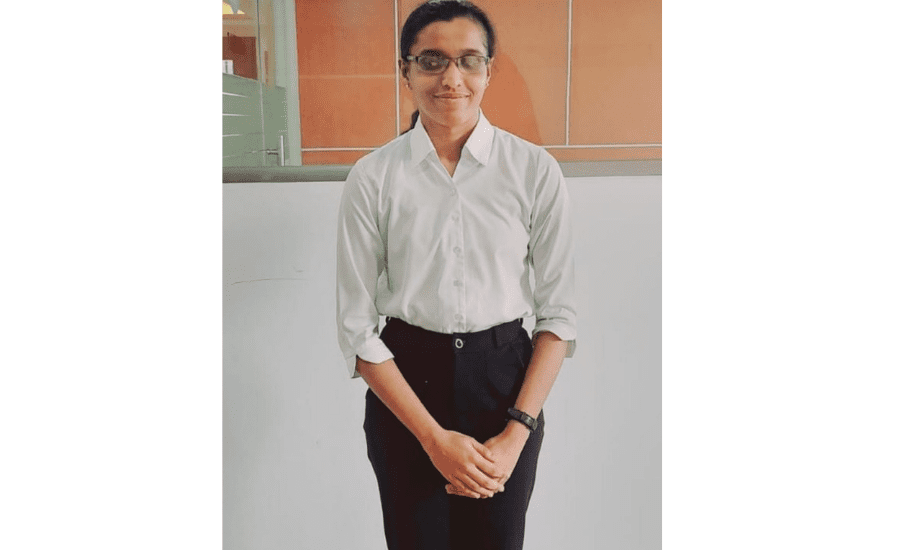
Kerala, India — Thanya Nathan C., a 24-year-old lawyer from Kannur, Kerala, is on the verge of creating history by becoming the first fully visually challenged woman judge in the state’s judiciary. Her appointment follows her topping the merit list of persons with benchmark disabilities in the Kerala Judicial Service Examination 2025, conducted by the Kerala High Court for the selection of Civil Judges (Junior Division).
This landmark achievement highlights a broader move toward inclusion in India’s legal system, supported by a key Supreme Court judgment which ensured that physical disability cannot be a barrier to judicial careers.
Who Is Thanya Nathan C.?
Thanya Nathan C., born completely blind, hails from Mangad village in Kannur district, Kerala. She began her education at a special school before moving to mainstream schooling and later pursuing law at Kannur University. She was among the best students in her law class, completing her LL.B. degree with distinction.
After enrolling as an advocate in August 2024, she began practising in the lower courts of Kannur and rapidly gained attention for her preparedness and command over legal procedures.
Historic Judicial Service Success
In the 2025 Kerala Judicial Service Examination, Thanya secured the highest merit rank among persons with benchmark disabilities, qualifying her to be appointed as a Civil Judge (Junior Division). That makes her the very first visually challenged person in Kerala to successfully clear this competitive exam and reach this position.
Her selection list has been forwarded by the High Court to the Kerala Government, and her appointment letter is expected soon.
Legal Inclusion and Supreme Court Ruling
A major driver behind this achievement was a landmark Supreme Court judgment delivered in 2025, which ruled that disability alone should not disqualify a candidate from being considered eligible for judicial service. This decision struck down earlier restrictions that barred 100% visually impaired candidates from appearing in judicial exams.
The Court also directed states to adopt inclusive recruitment practices and ensure that candidates with disabilities have fair access to judicial careers.
Read also: Explained: Kerala High Court’s Order on Special NDPS Courts and What It Means for Drug Trials