New Delhi: In a landmark legislative move, India’s Parliament has passed the Sabka Bima Sabki Raksha (Amendment of Insurance Laws) Bill, 2025, allowing Foreign Direct Investment (FDI) of up to 100% in the insurance sector. The significant reform, aimed at transforming the insurance landscape in India, was cleared by both houses — the Lok Sabha and the Rajya Sabha — marking the completion of its parliamentary journey.
The legislation represents a major shift from the previous cap of 74% foreign ownership, opening the doors for fully foreign-owned insurers to operate within India without requiring domestic partners. Experts say this step could dramatically boost competition, expand insurance penetration, and foster technological and capital inflows into the sector.
Background of Sabka Bima Sabki Raksha Bill
India’s insurance industry has undergone progressive liberalisation over the past decades. Originally, the Insurance Act, 1938 allowed only a limited role for foreign investors. Over time, reforms gradually increased FDI limits — from 26% to 49%, and further to 74% in 2021.
However, market participants and policymakers argued that even 74% ownership limited global firms’ willingness to deploy their full capital, expertise, and risk-sharing capabilities in India. The newly passed bill removes this restriction entirely, permitting up to 100% foreign investment.
Key Provisions of the Sabka Bima Sabki Raksha Bill
1. Full Foreign Ownership: The cornerstone of the new bill is the removal of the foreign ownership cap in Indian insurance companies, allowing foreign investors to hold 100% equity.
2. Amendments to Core Insurance Laws: The bill amends several crucial statutes that govern the sector:
- The Insurance Act, 1938
- The Life Insurance Corporation Act, 1956
- The IRDAI Act, 1999
These changes modernise the regulatory structure and align it with the new FDI provisions.
3. Reduced Financial Requirements: For entities involved in re-insurance, the bill reduces the minimum net-owned funds required from ₹5,000 crore to ₹1,000 crore, improving entry feasibility.
4. Regulatory and Policyholder Safeguards: The legislation also includes measures for a Policyholders’ Education and Protection Fund and stronger regulatory oversight mechanisms, aimed at safeguarding consumer interests as the market opens up.
Government’s Rationale: Growth, Jobs, and Coverage
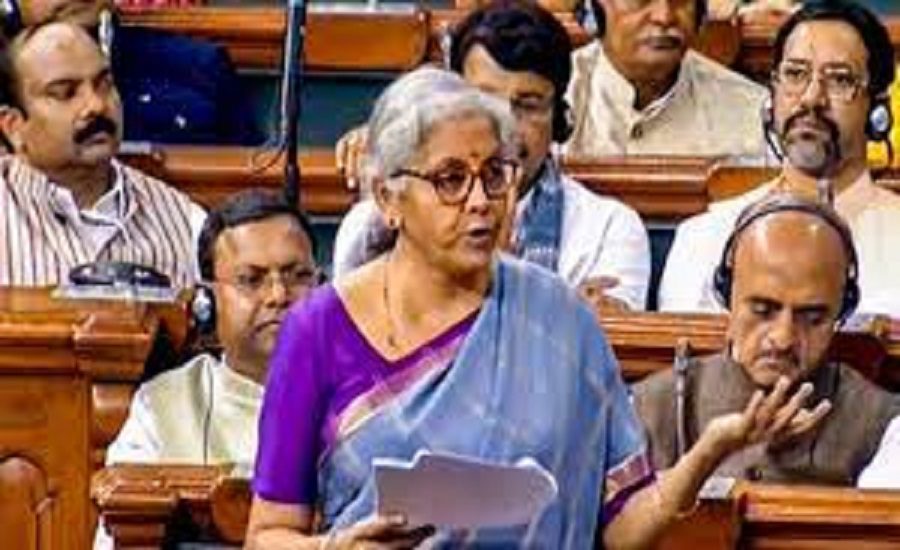
Finance Minister Nirmala Sitharaman highlighted that the reform will attract new insurers, intermediaries, and allied service providers, expanding the insurance ecosystem and generating employment across segments.
She emphasised that a deeper, more competitive market can boost insurance penetration — currently low compared to global benchmarks — and improve product availability and affordability for consumers.
The government has repeatedly framed these changes as part of its long-term vision to achieve “Insurance for All by 2047,” ensuring that underserved populations, especially in rural and semi-urban regions, benefit from a broader range of risk protection products.
Potential Impacts of Sabka Bima Sabki Raksha Bill
Enhanced Competition and Innovation
With foreign entities allowed full ownership, India’s insurance market could see heightened competition, pushing domestic firms to improve service quality and innovate.
Capital and Technology Inflow
Larger global insurers may now feel confident to invest significantly in India, bringing not just funds but advanced risk-assessment technologies and operational models.
Insurance Penetration and Inclusion
Expanded coverage options may accelerate insurance adoption among individuals and businesses, potentially raising insurance penetration closer to international standards.
Read also: Finance Minister Nirmala Sitharaman Announces Rs 10,000 Crore Fund of Funds for Startups