Gandhinagar: The Gujarat government has introduced a five-year relaxation in land-allotment rules to help nine newly established municipal corporations develop essential urban infrastructure and expand public services.
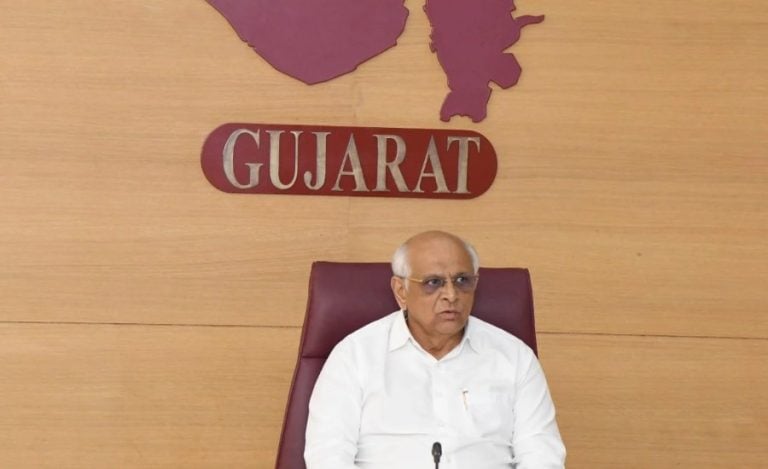
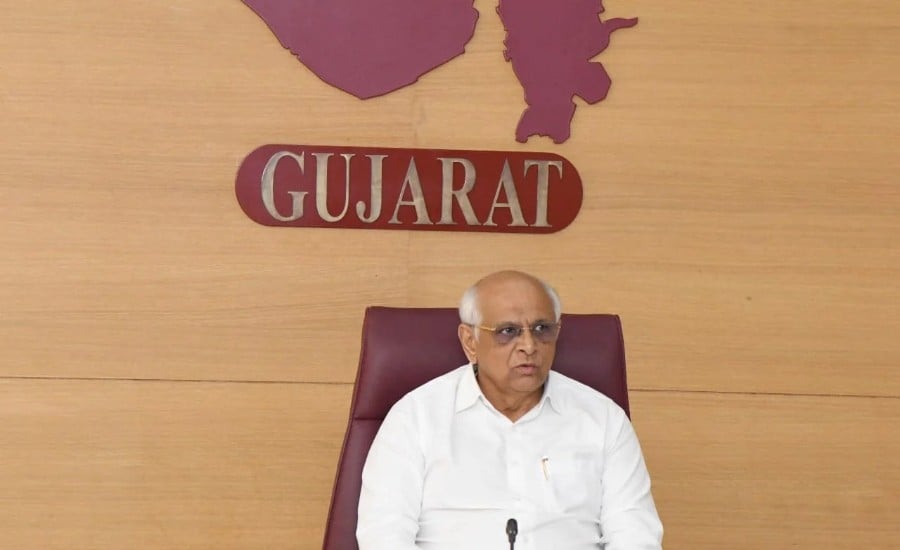
The decision, taken under the leadership of Chief Minister Bhupendra Patel and with the guidance of Minister of State for Revenue Sanjaysinh Mahida, is intended to address land shortages and reduce the financial pressure on the new civic bodies as they build administrative facilities and basic urban amenities.
A Revenue Department resolution has outlined provisions for making government land available for specified public purposes, with a simplified approval and application process.
Nine Municipal Corporations Covered by the Decision
The revised provisions will benefit the newly established municipal corporations of:
- Navsari
- Vapi
- Anand
- Nadiad
- Mehsana
- Surendranagar
- Morbi
- Porbandar
- Gandhidham
These civic bodies require additional land to establish administrative offices and expand public infrastructure following their transition to municipal corporation status.
The state government’s move is expected to make land available more easily for public projects and help the corporations address infrastructure requirements in their expanded jurisdictions.
Civic Infrastructure Projects Eligible for Land
The resolution provides for land allotment across 11 categories of public amenities. The facilities listed include:
- Municipal corporation offices and administrative buildings
- Fire stations
- Sewage Treatment Plants (STPs)
- Water Treatment Plants (WTPs)
- Underground drainage networks
- Pumping stations
- Water supply projects
- Solid and liquid waste management facilities
- Stormwater drainage systems
- Balwadis and Anganwadis
- Town halls, community halls and convention centres
These facilities are intended to strengthen essential municipal services, including drinking water supply, sanitation, drainage, waste disposal and fire safety, while also supporting administrative and community infrastructure.
Land Allotment Process to Be Streamlined
Under the resolution, government land measuring up to one hectare can be transferred to the Urban Development and Urban Housing Department for the specified purposes.
Proposals involving more than one hectare will require approval from the state government. The same approval requirement applies to cases involving gauchar, or grazing, land.
The application process will be routed through the i-ORA portal:
- The Municipal Commissioner of the concerned corporation will submit an application to the District Collector.
- The application will be processed through the i-ORA portal.
- Land allotment will be considered under the relevant provisions of the Gujarat Land Revenue Rules, 1972, and the conditions specified in the government resolution.
The revised framework is intended to make the administrative process more systematic and facilitate quicker decisions on land requirements.
Safeguards for Gauchar Land
The government has also specified conditions for cases where grazing land is required for public infrastructure.
Any such allotment will have to comply with the state’s gauchar policy and the conditions laid down in the resolution. An equivalent area of other government wasteland must be reserved under the gauchar land category whenever grazing land is allotted.
This provision is intended to ensure that the development of civic infrastructure does not result in a reduction in the land reserved for grazing purposes.
Government to Retain Ownership of Allotted Land
The land made available to the municipal corporations will remain government property and can be used only for the specific public purpose for which it is allotted.
Under the prescribed land-record provisions, the government will continue to be recorded as the occupant in Village Form No. 7, while the Urban Development and Urban Housing Department will be mentioned in the other-rights column.
The government may also reclaim land if it is not used for the designated purpose and is subsequently required for another public purpose, subject to the conditions in the resolution.
Five-Year Relaxation and Land Pricing Details
The special relaxation will remain in force for five years from the publication of the Revenue Department’s resolution. During this period, the simplified provisions will apply to land allotment for essential and optional public amenities in the nine municipal corporations.
Focus on Strengthening Urban Services
The decision is aimed at helping the nine new municipal corporations overcome land-related constraints as they establish their administrative systems and expand civic infrastructure.
Access to government land under a simplified framework could help these urban bodies plan facilities for water supply, sewage treatment, drainage, waste management, fire services and community use.
The pace of implementation will depend on the processing of land applications, the availability of suitable government land and the execution of individual infrastructure projects.