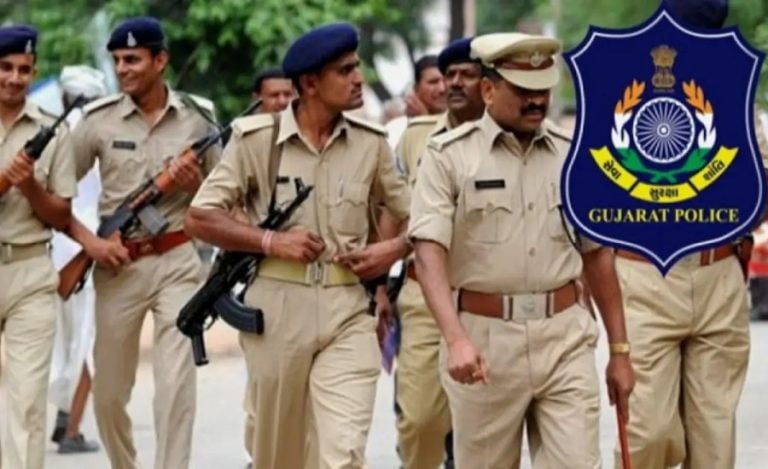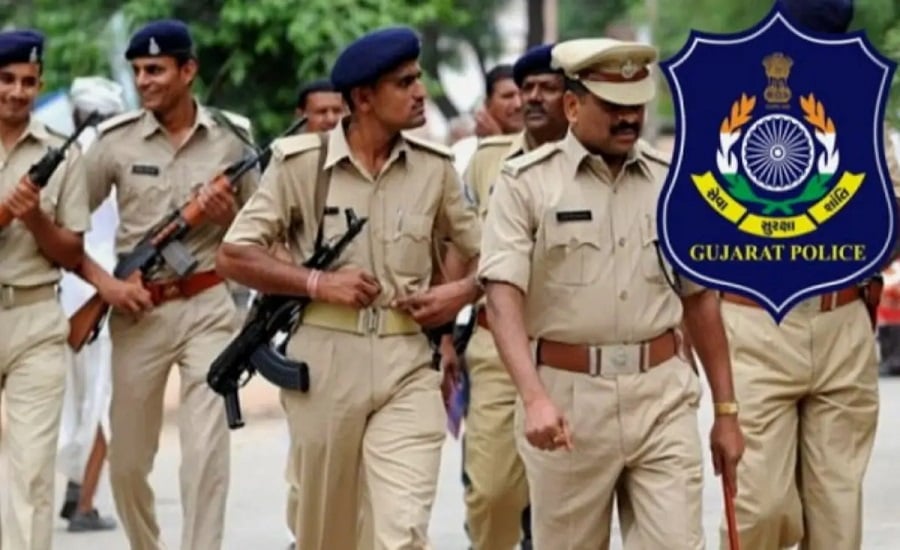
Gandhinagar: Gujarat has recorded 21 police encounters over the past two years, with police opening fire on 10 accused persons in 2025 and 11 so far in 2026. Two accused persons have been killed in these incidents.
The rising number of encounters has brought the Gujarat Police’s approach to crime and accused persons under scrutiny. The trend has also drawn comparisons with Uttar Pradesh, where police encounters have become a prominent part of the state’s law-and-order narrative under Chief Minister Yogi Adityanath.
According to the figures cited in the report, Uttar Pradesh recorded 2,739 police encounters in 2025, in which 3,153 accused persons were injured and 48 were killed.
According to Dainik Bhaskar report, In Gujarat, Ahmedabad has recorded the highest number of encounters in 2026. The incidents have reportedly taken place in different circumstances, including accused persons allegedly attacking police personnel, attempting to escape custody or trying to snatch police weapons.
The latest incident involving Kafil Ahmed, an accused in a ₹25-crore drugs case, has once again brought the issue into focus.
How the Latest Ahmedabad Incident Unfolded
The incident took place around 4 pm on Monday, October 26, at Ahmedabad’s Crime Branch.
Kafil Ahmed, one of the three accused arrested in a ₹25-crore drugs case, reportedly complained of chest pain and dizziness while in police custody. The police team decided to take him to V.S. Hospital for medical treatment.
The team included PSI Raval, ASI Gulabji, ASI Dikshit and police constable Jahabhai, who was driving the police Bolero. PSI Raval was seated beside Kafil in the rear, while ASI Gulabji sat on the other side. ASI Dikshit was seated beside the driver.
After the vehicle left the Crime Branch office and turned towards the Riverfront, Kafil reportedly complained again of severe chest pain and asked how long it would take to reach the hospital.
According to the account of the incident, Kafil then began struggling with PSI Raval and attempted to snatch the pistol kept on the officer’s right side. ASI Gulabji was also caught by surprise and tried to calm him down.
During the struggle, PSI Raval reportedly tried to keep the pistol pointed downwards to prevent accidental firing and stop Kafil from gaining control of the weapon.
The pistol fired during the scuffle. The bullet passed through Kafil’s left foot, pierced the floor of the vehicle and entered the ground near the Riverfront.
The firing took place around 500 to 700 metres from the Crime Branch office. PSI Raval immediately informed his superior, PI V.B. Aal, and other senior officers. The driver was also asked to contact the emergency number 112 and inform the city control room.
Kafil was subsequently taken to Civil Hospital instead of V.S. Hospital. PSI Raval later realised that his right hand was hurting. He reportedly recalled that Kafil had repeatedly struck his hand while trying to make him release the pistol.
Read also: Gujarat DGP’s Public Grievance Office Registers 28 FIRs After Scrutiny of 310 Complaints
Police Say Force Was Used in Self-Defence
Crime Branch DCP Ajit Rajian, speaking to Divya Bhaskar, said that accused persons often attempt to escape after arrest to avoid going to jail.
He said that if an accused attacks police personnel, officers have the right to defend themselves.
Rajian explained that police personnel are first expected to warn an accused person. If the person refuses to comply and attacks the police, officers may have to use force.
He also described the training and procedures that police personnel are expected to follow during such incidents. According to him, officers are taught not to fire at the upper part of the body and to keep the pistol barrel pointed downwards.
He further said that an accused person injured in an encounter must be provided medical treatment and that all other legal procedures must be followed.
Rajian added that the complainant and the investigating officer are not the same person in an encounter case. The decision regarding who will investigate the incident is taken by senior officers.
Ramesh Sawani: Encounter Is a Shortcut to Improve Police Image
Former IPS officer Ramesh Sawani, however, has questioned the growing reliance on encounters and offered a different perspective on why police departments resort to such action.
According to Sawani, encounters can sometimes become a shortcut for police officers to improve their public image, particularly when the department faces criticism over its performance.
He said that police officers often have shortcomings in their work, which can damage the department’s reputation. In such circumstances, some officers may resort to encounters to win public approval.
“Not every encounter is genuinely justified. Sometimes, the police carry out such encounters to satisfy people and make them happy,” he said.
Sawani also pointed to the pressure on police personnel due to their deployment for security duties, VIP movements, religious festivals, fairs and political rallies.
He argued that these responsibilities leave police officers with limited time to investigate crimes. As a result, criminals may get ahead while the police struggle to maintain their image.
He suggested that encounters, particularly incidents in which accused persons are shot in the leg, can create a public perception that the police are taking strong action against crime.
‘Punishment Is the Job of Courts, Not the Police’
Sawani said that encounters may send a message to accused persons that the police will take strict action if they violate the law. However, he maintained that this approach cannot be treated as a solution to crime.
He said that people may applaud encounters, but taking someone’s life or imposing punishment is not the responsibility of the police.
“Carrying out an encounter and taking someone’s life is not the job of the police. That is the job of the Sessions Court, the High Court and the Supreme Court,” he said.
According to him, the police are responsible for investigating cases and presenting accused persons before the court. The responsibility for deciding guilt and awarding punishment rests with the judiciary.
He cautioned that if police officers begin handing out punishment themselves, it raises serious questions from the perspective of law and constitutional principles.
Former IPS Officer Questions Struggles Involving Accused in Custody
Sawani also questioned how accused persons in police custody are able to overpower or physically struggle with police personnel.
He said that while such a situation could occur in exceptional circumstances, it would be difficult for an accused person already under police control to overpower trained officers.
“Perhaps something like this could happen in one out of 100 cases, but in the remaining cases, the accused simply do not have the strength to do so,” he said.
He also questioned the arrangements made while transporting accused persons. According to him, adequate police personnel should be deployed to guard them, and appropriate restraints should be used where legally permissible and necessary.
Sawani said that if an accused person manages to struggle with police personnel, it could point towards shortcomings in supervision by the officer concerned.
Armed and Unarmed Police Have Different Responsibilities
Explaining the structure and responsibilities of the police force, Sawani said that the armed and unarmed branches generally perform different functions.
The unarmed branch is responsible for crime investigation, filing chargesheets and related investigative work. The armed branch handles security arrangements and action involving accused persons.
He said that armed police personnel receive specialised training to control criminals and handle difficult situations. Specially selected personnel are deployed to deal with hardened criminals and are trained to overpower and restrain accused persons.
However, Sawani clarified that if an accused person cannot be brought under control in certain circumstances and attacks police personnel, officers may open fire in self-defence under the law.
Sawani Recalls Earlier Gujarat Encounter Cases
Sawani also referred to previous encounter cases in Gujarat in which IPS officers spent considerable time in jail before being released on technical grounds.
He said that some cases had involved questions regarding the government’s required permission under the Code of Criminal Procedure (CrPC). He warned that encounters can lead to serious legal consequences if challenged before a High Court or a human rights commission.
He further pointed to instances of alleged misuse of encounters and referred to Supreme Court judgments dealing with the issue, as well as cases involving encounter specialists in Maharashtra and Gujarat.
His remarks underline the legal scrutiny that police encounters can attract, even when the police claim that firing was necessary in self-defence.
Can Encounters Eradicate Crime?
With 21 encounters reported in Gujarat over the past two years, the state police’s increasingly aggressive approach towards accused persons has become a subject of debate.
Police officials maintain that force may be necessary when accused persons attack officers or attempt to escape custody. Former IPS officer Ramesh Sawani, meanwhile, has questioned whether every encounter is justified and warned against turning police action into a substitute for judicial punishment.
The central question remains whether a rise in encounters can address crime at its roots, or whether stronger investigation, effective prosecution and timely judicial processes are more sustainable ways to strengthen law and order.