New Delhi: Hindustan Aeronautics Limited (HAL) must prioritise Tejas Mk1A fighter jet deliveries over commercial profits to regain the trust of the Indian Air Force (IAF), retired Air Marshal Diptendu Choudhury has warned.
He has raised serious concerns about delays in delivering India’s indigenous fighter aircraft and urged HAL to improve its production capacity, meet its commitments, and focus on national security.
The warning comes as the IAF awaits the Tejas Mk1A to strengthen its fighter fleet, while HAL faces challenges involving aircraft systems, engine supplies, and final testing.
Tejas Mk1A Delay: Ex-Air Marshal Questions HAL’s Priorities
Retired Air Marshal Diptendu Choudhury has criticised HAL’s handling of the Tejas Mk1A programme. He believes the defence company must put India’s national security needs ahead of commercial goals and profit margins.
Read also: Tejas Mk1A Update: HAL Advances Certification, Mk2 Flight Set for Q3 2027
According to Choudhury, the long delay in delivering the fighter jets has damaged HAL’s credibility with its main customer, the Indian Air Force.
He has urged the company to honour its delivery commitments and make major improvements to its manufacturing process. The former senior Air Force officer also questioned whether HAL’s current production rate is enough to meet the IAF’s growing requirements.
Tejas Mk1A Delay Raise Concerns
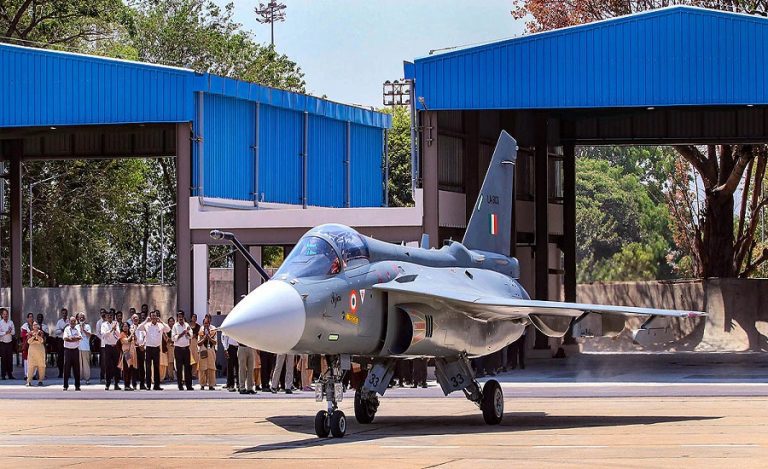
The Tejas Mk1A is an improved version of India’s indigenous Light Combat Aircraft (LCA). It is designed to strengthen the IAF’s combat capabilities and reduce India’s dependence on foreign-made fighter aircraft.
In February 2021, the Ministry of Defence signed a contract with HAL for 83 Tejas Mk1A aircraft. Deliveries were originally scheduled to begin in March 2024, but the programme missed this target.
In September 2025, the government signed another contract with HAL for 97 additional aircraft. This brought the total number of Tejas Mk1A jets ordered under the two contracts to 180 aircraft. The delay has increased concerns about how quickly the IAF can add new fighter jets to its fleet.
IAF Needs More Fighter Jets Every Year
The Indian Air Force faces growing pressure to maintain its combat strength as older aircraft leave service and new aircraft take time to enter operational use.
Air Chief Marshal A.P. Singh has highlighted the need for the IAF to induct around 36 to 40 fighter aircraft every year over the coming years to maintain operational readiness and address the falling number of fighter squadrons. This requirement makes timely delivery of the Tejas Mk1A particularly important.
The aircraft is expected to play a major role in the IAF’s future plans. However, the benefits of the programme will depend on HAL’s ability to deliver aircraft that meet the required standards and can enter service without unnecessary delays.
What are the Main Challenges in Tejas Mk1A Fighter Jet Production
HAL has pointed to delays in receiving F404 engines from American aerospace company GE Aerospace as one of the main reasons for the slow progress.
These engines are required to power the Tejas Mk1A fighter jets. Delays in engine supplies can prevent otherwise prepared aircraft from being completed and handed over to the IAF. However, engine availability is not the only concern facing the programme.
Reports have also highlighted pending work on aircraft systems and the need to complete testing and integration before the jets can be accepted by the Air Force.
These challenges show that improving engine supplies alone may not be enough. HAL must also ensure that aircraft production, system integration, testing, and final acceptance move forward together.
Concerns Over Incomplete Aircraft Deliveries
Choudhury has also expressed concern about the practice of asking the IAF to accept aircraft with certain capabilities still pending.
Under such an arrangement, an aircraft may be delivered with some systems or functions yet to be fully integrated, with the promise that the remaining work will be completed later.
The retired Air Marshal believes HAL should focus on delivering aircraft that meet the agreed requirements instead of depending on such arrangements.
For the IAF, the key issue is not simply receiving an aircraft. The fighter must also meet the required operational standards and provide the capabilities needed for its missions. Completing important systems on time is therefore essential for restoring confidence in the programme.
HAL Expands Tejas Mk1A Production Capacity
Despite the delivery problems, HAL has taken steps to increase its manufacturing capacity.
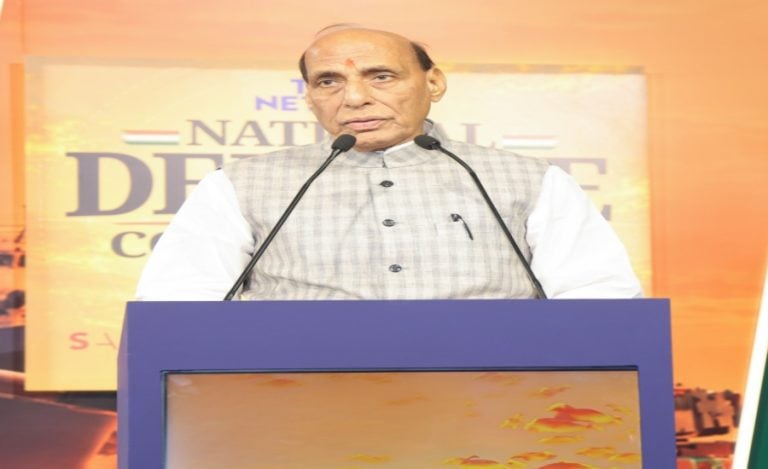
In October 2025, Defence Minister Rajnath Singh inaugurated the third Tejas Mk1A production line at HAL’s Nashik facility. The company also has two production lines in Bengaluru.The additional line is intended to support higher production and help HAL meet the IAF’s aircraft requirements.
The government has also encouraged private Indian companies to manufacture aircraft structures and components. This approach is expected to strengthen the domestic aerospace supply chain and help increase production. However, additional production facilities alone cannot solve every problem. The availability of engines, components, trained workers, and completed aircraft systems will also affect the final delivery rate.
New Tejas Mk1A Order Increases HAL’s Responsibility
The additional contract for 97 Tejas Mk1A aircraft, signed in September 2025, is worth more than ₹62,370 crore, excluding taxes.
According to the Ministry of Defence, deliveries under this second contract are scheduled to begin in the 2027–28 financial year and continue over six years.
The aircraft will include more than 64 per cent indigenous content, along with additional systems and equipment intended to improve their capabilities.
The order offers an important opportunity for India’s domestic defence industry. It can support local manufacturing, create jobs, and reduce dependence on foreign suppliers.
At the same time, the larger order increases the pressure on HAL to demonstrate that it can manufacture advanced fighter aircraft at the required speed and scale.
HAL Must Restore The Indian Air Force’s Confidence
Choudhury’s warning highlights a larger question about India’s defence manufacturing capabilities: can domestic companies deliver advanced military equipment on time while meeting the needs of the armed forces?
For HAL, restoring the IAF’s confidence will require more than promises. The company must improve production planning, address supply problems, complete pending system integration, and provide a realistic delivery schedule.
The IAF needs dependable delivery dates to plan its future fleet, training, maintenance, and operational requirements.
A reliable delivery record would also help HAL strengthen its position in the international defence market. Potential foreign customers are more likely to consider an aircraft when its main domestic operator supports the platform and has confidence in its performance.
Read also: IAF Plans Major Sulur Air Base Upgrade to Support More Tejas Mk1A Fighter Jets
FAQs
India has ordered 180 Tejas Mk1A fighter aircraft under two contracts: 83 aircraft in 2021 and 97 additional aircraft in September 2025.
HAL has faced delays in receiving F404 engines from GE Aerospace, along with pending aircraft system integration, testing, and other production challenges.
Retired Air Marshal Diptendu Choudhury said HAL must prioritise national security over commercial profits, improve its production capacity, meet delivery commitments, and restore the Indian Air Force’s trust.