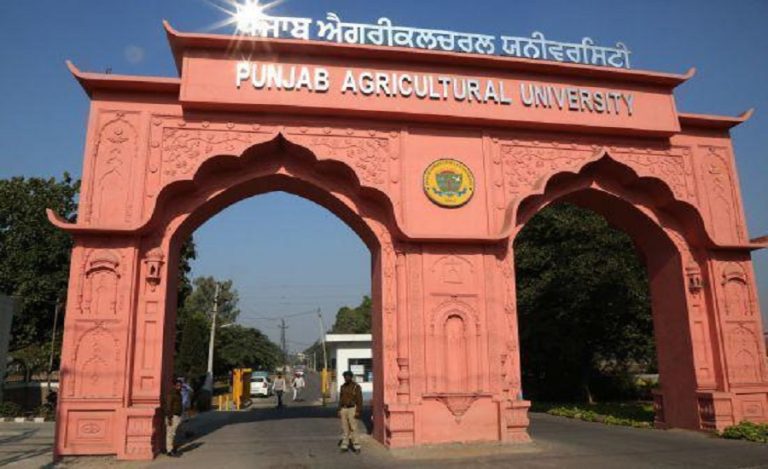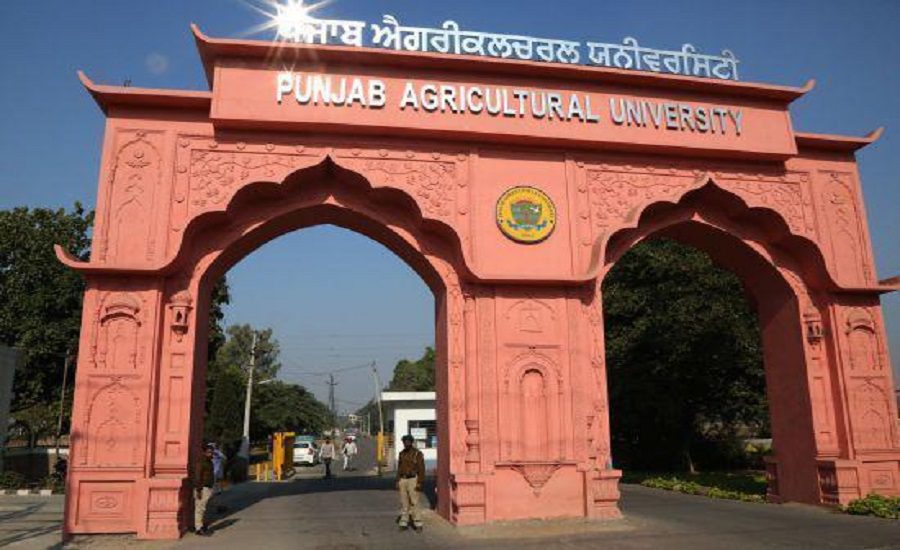
Ludhiana: A group of 10 IAS officer trainees of the 2024 batch, currently undergoing field training across different districts of Punjab, visited the Communication Centre of Punjab Agricultural University in Ludhiana to understand the institution’s role in communicating scientific agricultural knowledge to farmers.
The visit formed part of their Punjab Darshan programme—an important segment of field training aimed at exposing young civil servants to Punjab’s cultural, historical, industrial and developmental landscape.
Punjab Darshan Aims to Build Ground-Level Administrative Understanding
The Punjab Darshan tour is designed to give IAS probationers direct exposure to:
- Cultural heritage
- Religious landmarks
- Historical institutions
- Industrial development
- Rural governance systems
Officials said such visits help future administrators understand local realities before they assume larger policy roles.
PAU Explains Research-to-Farmer Communication Model
Addressing the visiting officers, Tejinder Singh Riar, Additional Director of Communication at PAU, explained the mandate of the university’s communication centre.
He highlighted how PAU has played a crucial role in strengthening:
- Agricultural research
- Extension services
- Farmer advisory systems
He noted that agriculture remains central to India’s economy and that institutions like PAU serve as an essential bridge between scientific innovation and field-level implementation.
Agriculture Understanding Important for Future Administrators
Dr Riar told the trainees that future civil servants must understand agricultural systems because effective governance in India remains deeply connected to farming realities.
He explained that knowledge of agriculture helps administrators frame stronger policies in areas such as:
- Rural development
- Food security
- Sustainability
- Farmer welfare
He added that administrative decisions become more effective when officers understand the practical challenges farmers face.
Focus on Climate, Resources and Technology Adoption
During the interaction, emphasis was also laid on emerging agricultural challenges.
The trainees were briefed on issues including:
- Climate variability
- Water and resource management
- Technology adoption in farming
- Scientific advisory delivery mechanisms
Officials explained that awareness of these challenges enables better grassroots governance.
Trainees Interact With Officials at Communication Centre
The officer trainees interacted with university officials and observed how research-based advisories are prepared and disseminated to farmers across Punjab through multiple communication channels.
The session also gave them insights into how agricultural universities contribute to policy support and field-level transformation.
Read also: Punjab Transfers 6 Senior IPS Officers; Dr Sharad Satya Chauhan Appointed Chief Director Vigilance