Ranchi: The Union Government has released ₹3,660 crore to Jharkhand as part of an additional tax devolution instalment of ₹1,09,019 crore to 28 states. The amount was released on October 31, 2026, over and above the regular monthly tax transfer, to support capital expenditure and development and welfare-related spending.
According to the Ministry of Finance, this is the second additional instalment of tax devolution released during the current financial year, 2026–27.
The advance release was made ahead of the festive season to help states strengthen their financial position and maintain spending on development and welfare programmes.
Jharkhand Receives 3.36% of the Additional Tax Devolution
Of the total ₹1,09,019 crore released to states, Jharkhand has received ₹3,660 crore, accounting for approximately 3.36% of the amount.
Read Also: Ramgarh Road Network Sees Major Expansion, New Highway and Rural Connectivity Projects Planned
Among the 28 states, Jharkhand ranks 12th in terms of the additional tax devolution received.
The state had received an equal amount of ₹3,660 crore in the first additional instalment released on August 1, 2026.
The latest allocation places Jharkhand’s share below that of several neighbouring states, including Uttar Pradesh, Bihar, West Bengal and Odisha.
How Much Did Jharkhand’s Neighbouring States Receive?
The state-wise allocation for Jharkhand and neighbouring states is as follows:
- Uttar Pradesh: ₹19,208 crore
- Bihar: ₹10,845 crore
- West Bengal: ₹7,866 crore
- Odisha: ₹4,819 crore
- Jharkhand: ₹3,660 crore
- Chhattisgarh: ₹3,602 crore
Among these neighbouring states, Chhattisgarh received ₹58 crore less than Jharkhand, while Odisha received ₹1,159 crore more.
Bihar’s allocation exceeded Jharkhand’s by ₹7,185 crore, while Uttar Pradesh received more than five times Jharkhand’s amount.
Why Has the Centre Released an Additional Instalment?
The Ministry of Finance said the additional tax devolution was released in view of the upcoming festive season and to enable states to accelerate capital expenditure and finance development and welfare-related activities.
The amount is separate from the regular monthly tax devolution and is intended to provide states with additional funds during the financial year.
Tax devolution refers to the transfer of the states’ share in the Union government’s tax revenue. The distribution among states is determined under the applicable Finance Commission framework.
₹1.36 Lakh Crore Mineral Dues Remain a Major Issue for Jharkhand
The latest tax transfer comes amid the Jharkhand government’s continuing demand for ₹1.36 lakh crore in dues related to coal mining and other mineral-related payments.
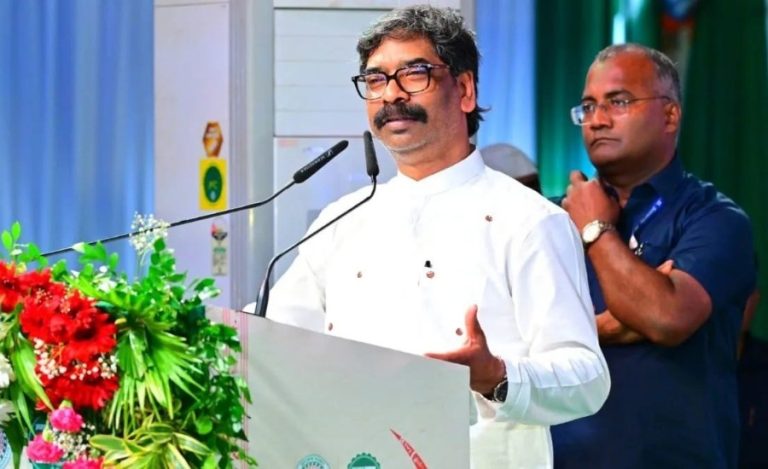
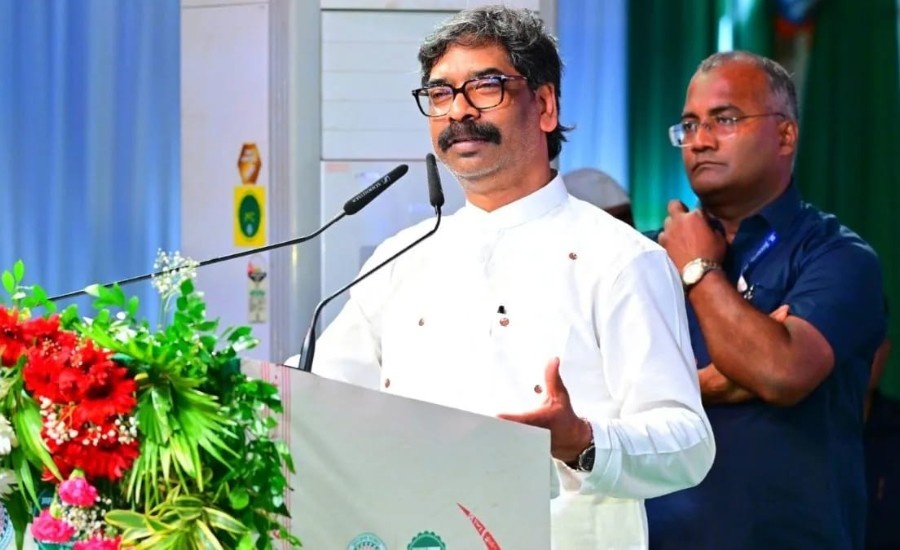
Chief Minister Hemant Soren has repeatedly raised the issue, maintaining that the Centre and central public sector undertakings owe the state money for mining activities.
The dispute has also gained significance following the passage of the Mines and Minerals (Development and Regulation) Amendment Act, 2026. The Jharkhand government has expressed concern that the amended legislation could affect its ability to collect certain mineral-related cess and recover outstanding dues.
The state government has decided to convene a special two-day session of the Jharkhand Legislative Assembly on November 25 and 26 to discuss the amended MMDR Act, among other issues.
The ₹3,660 crore tax devolution is a separate transfer under the Centre’s regular tax-sharing mechanism and should not be confused with the disputed mineral-related dues claimed by Jharkhand.
Read Also: Jharkhand Identifies Five Carbon Credit Projects Across Government Departments to Boost Rural Income