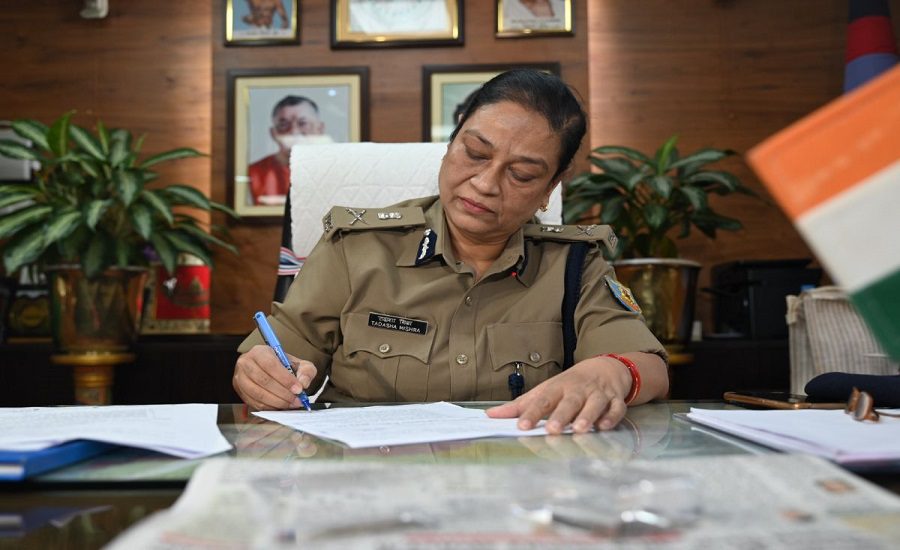
Ranchi: Jharkhand Director General of Police (DGP) Tadasha Mishra, an IPS officer of 1994 batch, has called for intensified joint anti-extremist operations, continuous intelligence sharing and stronger inter-state coordination to prevent any resurgence of Maoist activities across eastern India.
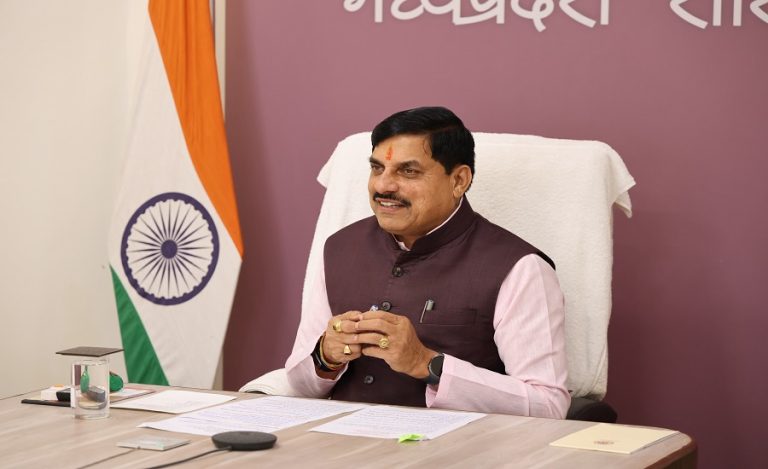
Addressing the Eastern Region Police Coordination Committee meeting through virtual mode, the Jharkhand DGP emphasized that coordinated policing among neighbouring states is essential to tackle evolving security challenges, including Left Wing Extremism (LWE), cybercrime, synthetic drug trafficking and cross-border smuggling.
Focus on Preventing Maoist Resurgence
During the meeting, Mishra stressed that security agencies must enhance coordinated operations along inter-state borders, particularly in Maoist-affected regions.
She urged police forces to intensify operations across the:
- Jharkhand–Odisha border
- Jharkhand–West Bengal border
- Jharkhand–Chhattisgarh border
- Jharkhand–Bihar border
According to her, sustained joint operations and seamless intelligence exchange are crucial to prevent extremist groups from regrouping or exploiting border areas.
Call for Real-Time Intelligence Sharing
Highlighting the importance of coordinated policing, the DGP advocated regular communication and coordination at multiple levels between the police forces of neighbouring states.
She said continuous intelligence sharing and synchronized action would help security agencies respond more effectively to emerging threats and improve operational outcomes against extremist groups.
Action Against Drug Smuggling Networks
Apart from anti-Maoist operations, Mishra emphasized the need for stronger measures against organized smuggling and synthetic drug trafficking.
She called for:
- Establishment of joint check posts along inter-state borders.
- Coordinated vehicle checking and enforcement drives.
- Real-time exchange of intelligence.
- Backward and forward investigation into smuggling networks.
- Strict action against organizations involved in synthetic drug transactions.
She noted that dismantling the entire supply chain, rather than targeting individual offenders alone, would significantly strengthen law enforcement efforts.
Joint Strategy to Combat Cybercrime
Cybercrime also featured prominently during the discussions, with senior police officers agreeing on several collaborative measures to curb digital fraud and cyber offences.
The participating states agreed to:
- Create a joint database of cybercriminals.
- Appoint dedicated nodal officers in each state for better coordination.
Conduct joint verification of SIM card sellers to prevent misuse of mobile connections in cyber fraud cases.
The initiative is expected to improve information sharing and facilitate faster action against interstate cybercrime syndicates.
DGPs of Four States Attend Meeting
The high-level coordination meeting was attended by the Directors General of Police of Bihar, West Bengal, Odisha and Chhattisgarh, reflecting a collective commitment to strengthen regional cooperation against common security challenges.
The meeting concluded with a consensus on enhancing operational coordination, intelligence sharing and institutional collaboration to effectively address extremism, cybercrime, narcotics trafficking and other organized criminal activities affecting the eastern region.