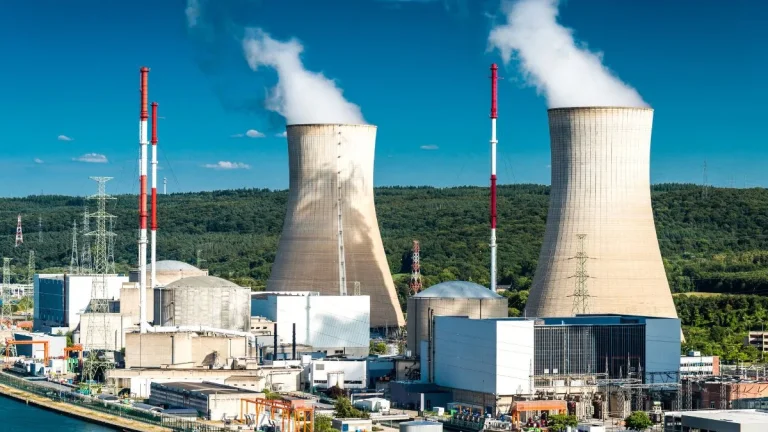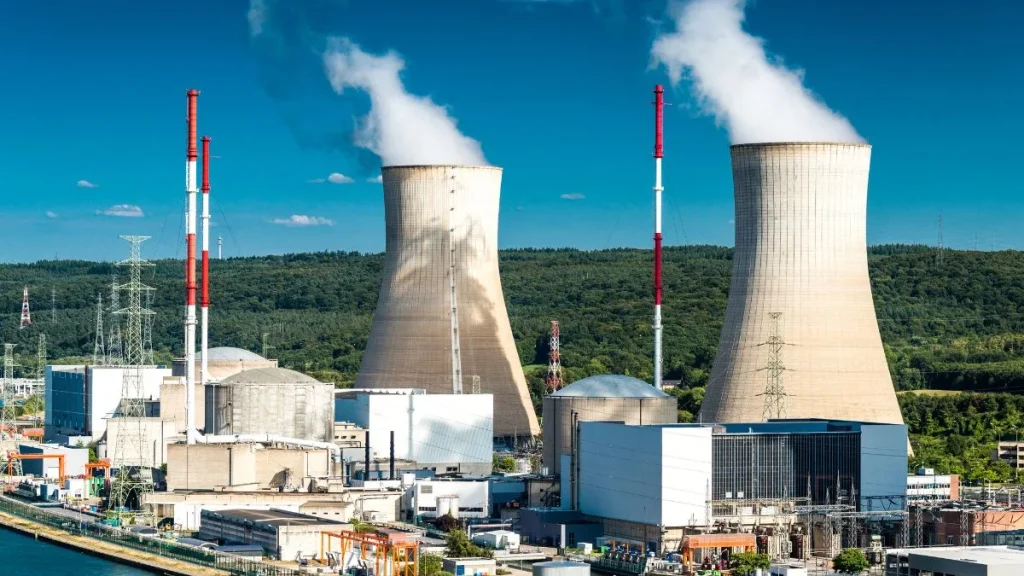
Ranchi: Jharkhand is exploring the possibility of setting up a nuclear power plant as India plans to increase its nuclear power generation capacity to 100 gigawatts (GW) by 2047. Dr Ajit Kumar Mohanty, Chairman of the Atomic Energy Commission and Secretary of the Department of Atomic Energy, Government of India, said suitable locations could be identified in Jharkhand based on land availability, access to water and low seismic activity.
Mohanty shared these details during his visit to Ranchi for the convocation ceremony at Birla Institute of Technology (BIT), Mesra, where he attended as the chief guest. In a separate interaction, he discussed India’s nuclear energy expansion plans, uranium resources in Jharkhand and career opportunities for young people in the sector.
Jharkhand Explores Possibility of Nuclear Power Plant
According to Mohanty, Jharkhand has potential locations where the prospects of nuclear energy development can be explored. However, selecting a site for a nuclear power plant requires careful assessment.
The key requirements include:
- Availability of land: Adequate land must be available for establishing the plant and its supporting infrastructure.
- Water source: A reliable nearby water source is an important requirement for plant operations.
- Low seismic activity: Locations with lower seismic activity need to be considered when assessing potential sites.
No specific location or approved nuclear power plant project in Jharkhand was announced during the interaction.
Read also: Beyond Its Troubled Past: How Highways and Stone Trade Are Reshaping Jharkhand’s Chhatarpur
India Targets 100 GW Nuclear Power Capacity by 2047
India is working to increase its nuclear power generation capacity to 100 GW by 2047, Mohanty said. The country’s current nuclear power capacity stands at approximately 9 GW.
Key points about India’s nuclear energy expansion plan include:
- The target is to increase nuclear power generation capacity to 100 GW by 2047.
- India’s current nuclear power capacity is approximately 9 GW.
- Nuclear energy’s contribution to electricity generation is expected to increase gradually.
- Other energy sources will continue to contribute to India’s electricity requirements during the transition.
- The expansion aims to help meet the country’s growing energy demand and reduce dependence on coal over time.
Mohanty said existing energy sources cannot be phased out completely at once, making a gradual transition necessary.
Will Nuclear Energy Replace Coal by 2047?
Mohanty said nuclear energy is expected to play a much greater role in India’s power sector by 2047. The country is working to expand its nuclear generation capacity to meet future electricity demand.
However, the transition will not mean an immediate end to coal-based power generation. Other energy sources will continue to remain part of India’s energy mix as nuclear power capacity increases.
Public and Private Sector Participation in Nuclear Energy
Mohanty highlighted the contribution of public-sector organisations to India’s nuclear energy programme. Two key organisations working in this field are:
- Nuclear Power Corporation of India Limited (NPCIL): Works in the development and operation of nuclear power projects.
- Bharatiya Nabhikiya Vidyut Nigam Limited (BHAVINI): Works on the development of nuclear power technology and projects.
He also called for greater private-sector participation, noting that private companies have not yet shown the expected level of initiative.
The government is also exploring the possibility of establishing nuclear power plants through public-private partnerships (PPPs). Such participation could help support the development and expansion of nuclear energy infrastructure.
Jharkhand’s Uranium Resources Could Strengthen Its Role
Jharkhand’s uranium resources could play an important role in the state’s contribution to India’s nuclear energy sector.
According to Mohanty:
- Uranium found in Jharkhand is natural uranium.
- Uranium serves as a raw material for nuclear power generation.
- The mineral is also available in some other Indian states.
- Increasing uranium mining capacity in Jharkhand could strengthen the state’s role in the nuclear energy sector.
- The Uranium Corporation of India Limited (UCIL) is working in the uranium mining sector.
The availability of uranium resources offers Jharkhand an opportunity to contribute to the nuclear fuel supply chain. The state’s future role will also depend on mining capacity, infrastructure development and the assessment of suitable sites for power generation.
Nuclear Energy Research Offers Opportunities for Young People
Mohanty said young people have several opportunities to contribute to nuclear energy through research, innovation and advanced technology development.
Important areas of research and career opportunities include:
- Research on different types of nuclear reactors.
- Development of next-generation reactors.
- Research into technologies that can utilise thorium.
- Innovation in nuclear energy production and related technologies.
- Opportunities in scientific research, engineering and technical fields.
He encouraged students to pursue their studies with dedication and explore research in areas that interest them.
Mohanty also emphasised that career opportunities are not limited to the Department of Atomic Energy or the energy sector. Young people can build successful careers in a wide range of fields.
What Jharkhand’s Nuclear Energy Prospects Mean for India
Jharkhand’s potential role in nuclear energy is significant as India works towards its 100 GW capacity target by 2047. The state’s uranium resources could support the nuclear fuel supply chain, while the availability of suitable land, water and favourable seismic conditions will be important in assessing potential plant locations.
For now, the focus remains on exploring the state’s potential, strengthening uranium mining capacity and expanding India’s nuclear energy infrastructure. Any future nuclear power plant project in Jharkhand would require further assessment, site selection and the necessary approvals.
Read also: From Campus to Nation-Building: Jharkhand Hosts MyGov Connect at NUSRL Ranchi