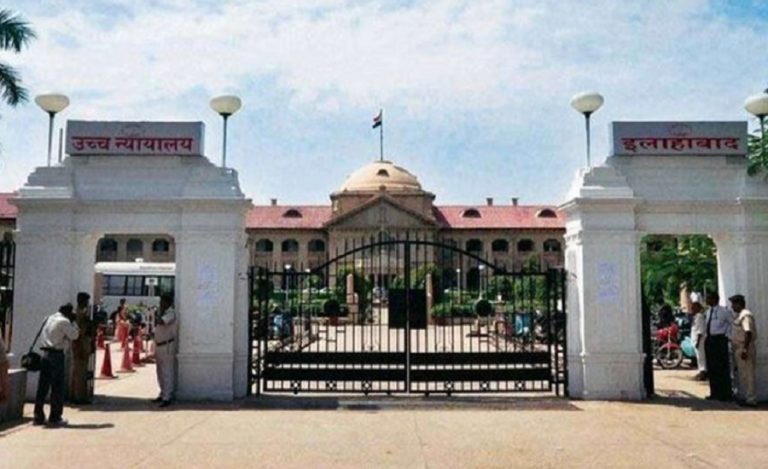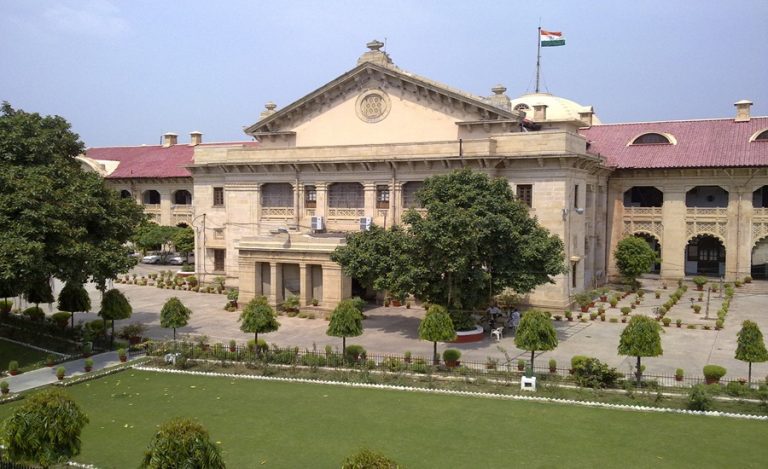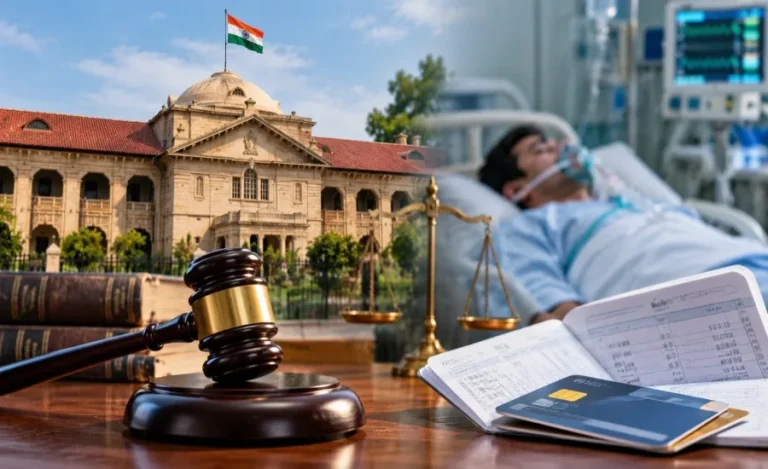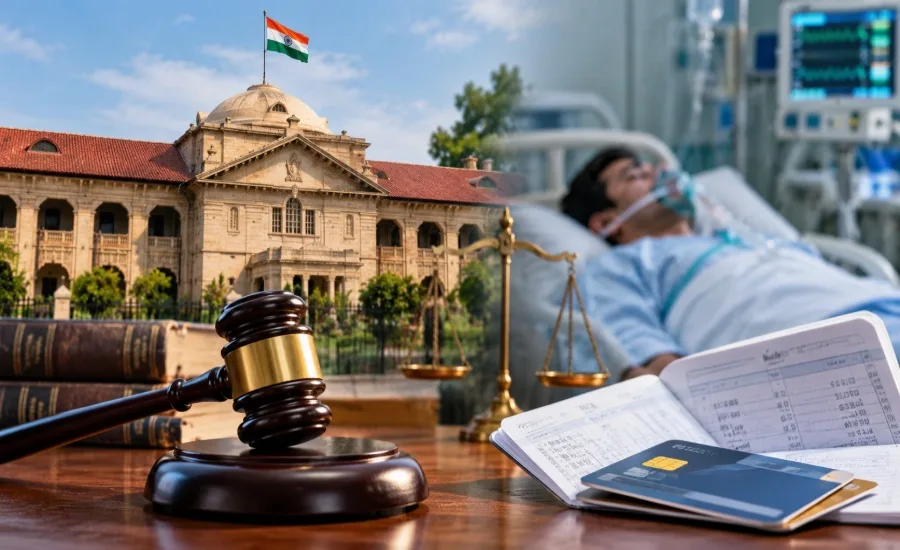
New Delhi: The Allahabad High Court bank accounts of persons in coma cases have raised an important question about how families can access money belonging to a person who is unable to manage their financial affairs. The Court has asked the Central Government and the Reserve Bank of India (RBI) to explain whether laws or guidelines can help dependents access these funds.
The case came up after a woman approached the Court to withdraw money from her husband’s bank account while he was in a coma.
Coma Patients Bank Accounts Access Rule: Allahabad High Court Seeks Response From Centre And RBI
A division bench of the Allahabad High Court, comprising Justice Ajit Kumar and Justice Garima Prasad, raised concerns about the financial problems faced by families of patients in a coma.
Read also: Inside the Allahabad High Court Decision That Will Make UP Panchayat Elections 2026 Historic
The Court asked the Central Government and the RBI to explain their positions on the issue. It also asked them to inform the Court whether any existing guidelines could help families in such situations. The Court said that a clear legal framework or suitable banking guidelines were needed to address the problem.
It observed that dependents may struggle to pay hospital bills and manage household expenses when they cannot access money held in the patient’s bank account.
What Happened In The Parveen Jahan Case
The matter relates to a petition filed by Parveen Jahan, who approached the Allahabad High Court seeking access to the bank account of her husband, Shamshad Ali.
Her husband was in a coma, and the family needed financial support to manage medical expenses and other essential needs. However, the case took a tragic turn when Shamshad Ali died on October 8, 2026, while the petition was still pending before the Court.
The incident brought greater attention to the difficulties families can face when a bank account holder becomes medically unable to operate their account. The Court considered the wider issue of protecting the financial interests of patients who are in a coma and helping their dependents meet essential expenses.
Coma Patients Bank Accounts Access Rule: Why The Court Wants Clear Banking Guidelines
When a person enters a coma, they may become unable to sign documents, visit a bank or give instructions about their money. Even if the family urgently needs funds for treatment, daily expenses or other necessities, accessing the patient’s account can become legally complicated.
The Allahabad High Court highlighted the need for a proper mechanism to address such situations. The Court indicated that Parliament or another competent legislature could consider legislation. It also asked whether the RBI could frame guidelines for nationalised banks and related banking institutions.
The aim is to find a lawful way for dependents to access money when the account holder cannot manage their financial affairs.
Court Asks Central Government And RBI To File Their Responses
The Court directed the Central Government and the RBI to submit their respective affidavits explaining their positions on the issue. It warned that if the required responses were not filed, it could summon responsible officials from both authorities.
The Court had issued these directions on October 8, 2026, and stressed that the matter needed attention. The proceedings seek clarity on whether a standard legal or regulatory mechanism can prevent families from facing prolonged financial difficulties in similar circumstances.
Coma Patients Bank Accounts Access Rule: Allahabad High Court Refers To Kerala High Court Guidelines
The Allahabad High Court also referred to guidelines developed by the Kerala High Court in the case of Shobha Gopalakrishnan v. State of Kerala.
These guidelines provide a framework for appointing a guardian for a person who is in a coma, where specific legal provisions may otherwise be unavailable. The framework includes safeguards to protect the patient’s property and financial interests.
For example, the process can involve medical assessment, information about the patient’s assets, consideration of suitable guardians and oversight of how the money is used.
A guardian’s authority is meant to protect the patient’s interests, rather than give family members unrestricted control over their property.
The Allahabad High Court said Uttar Pradesh could consider implementing the Kerala guidelines while the wider legal issue is addressed.
Uttar Pradesh Chief Secretary Asked To Find A Concrete Solution
The Court also expressed concern about the steps taken by the Uttar Pradesh government to address the problem. It asked the State Chief Secretary to come up with a clear and practical solution.
The Court warned that if the Chief Secretary failed to provide a concrete response in writing, he would have to appear personally before the Court at the next hearing.
This direction highlights the need for the State government to take practical steps instead of leaving affected families without an effective way to address their financial difficulties.
Next Hearing
The Allahabad High Court has listed the matter for its next hearing on November 6, 2026.
The proceedings are expected to address the responses of the Central Government and the RBI, along with the steps proposed by the Uttar Pradesh government.
The Court is examining how a legal or regulatory framework could help dependents access the funds of a person in a coma while protecting that person’s financial interests. No final, nationwide set of new guidelines has been announced through the reported proceedings so far.
Read also: Banks Seek Relief and Clarity on RBI’s New Forex Rules as Regulator Moves to Support the Rupee
FAQs
Parveen Jahan filed the petition seeking access to the bank account of her husband, Shamshad Ali, who was in a coma. He died on October 8, 2026, while the petition was pending before the Allahabad High Court.
The Allahabad High Court asked the RBI to consider guidelines because families may be unable to access money in the bank accounts of people who are in a coma. The Court wants a lawful mechanism to help dependents meet essential expenses while protecting the patient’s financial interests.
The next hearing is scheduled for November 6, 2026. The Court has sought responses from the Central Government and the RBI and has asked the Uttar Pradesh Chief Secretary to provide a concrete solution.