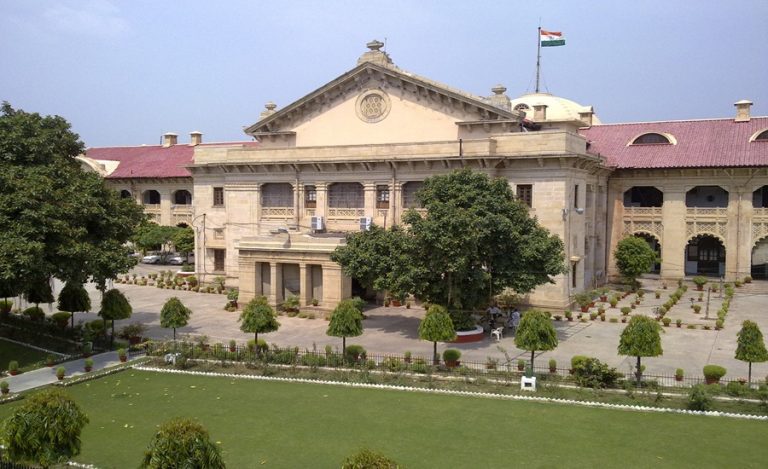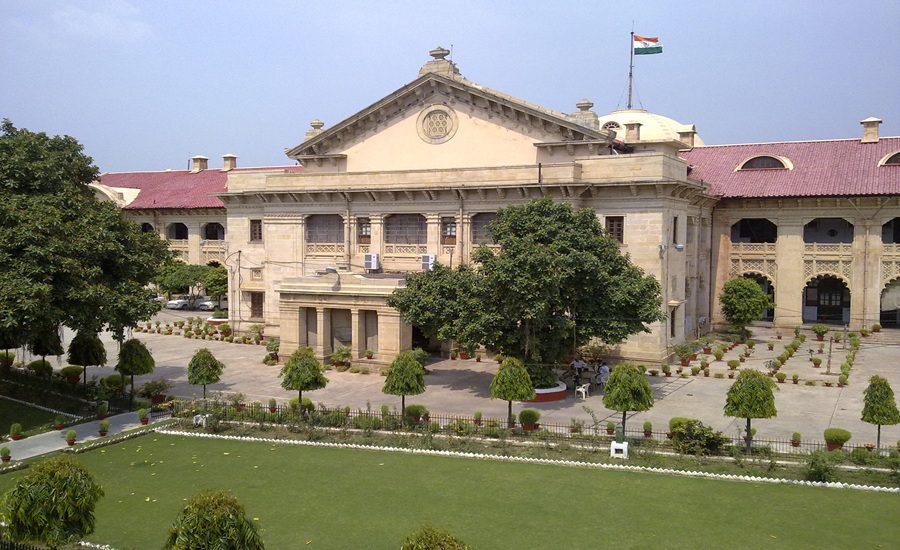
Lucknow: The Uttar Pradesh Panchayat elections 2026 must be completed within three months, the Allahabad High Court has directed. The court instructed the Uttar Pradesh Government and the State Election Commission to begin preparations immediately and conduct the elections under the existing reservation system, including 27% reservation for Other Backward Classes (OBCs).
The court also clarified that the pending inquiry by the Dedicated Backward Classes Commission cannot be used as a reason to delay the polls. The decision is important for rural voters, aspiring candidates and local self-government across Uttar Pradesh.
Allahabad High Court Sets Three-Month Deadline For UP Panchayat Elections 2026
A bench of Justices Ajit Kumar and Garima Prashad issued the directions while hearing petitions led by Dashrath Yadav against delays in holding Panchayat elections in Uttar Pradesh.
Read also: UP Monkey Crisis: Allahabad High Court Asks Newly Formed Committee to Act, Not Just Exist
The court ordered the state government and the State Election Commission to start the necessary preparations without further delay. The entire election process must be completed within three months from the date of the judgment.
The authorities must prepare the election schedule and take the necessary steps to ensure that elected Panchayat bodies are formed within the deadline. The court also directed the state government to provide the staff, funds, security and other support required to conduct the elections on time.
UP Panchayat Elections 2026 To Be Held Under Existing 27% OBC Quota
The High Court made it clear that the upcoming Panchayat elections must follow the existing reservation arrangement, including 27% reservation for OBCs.
The court said that OBC-reserved seats cannot be treated as general or open seats simply because the Dedicated Backward Classes Commission has not completed its inquiry.
Reservations for Scheduled Castes (SCs), Scheduled Tribes (STs) and women must also continue according to the applicable laws. The overall legal limit on vertical reservation must be respected.
This direction means that the pending commission inquiry will not stop the election process. The authorities must conduct the polls under the existing framework while the commission continues its work.
Why Was The OBC Reservation Inquiry Delaying UP Panchayat Elections 2026
The Uttar Pradesh Government had argued that collecting reliable data on the social and educational backwardness of OBCs was necessary to determine reservation in local bodies.
The state had established a Dedicated Backward Classes Commission to study the issue and recommend an appropriate reservation arrangement. However, the inquiry and the steps needed to implement the commission’s recommendations had held up the election process. The delay led petitioners to approach the High Court for directions to ensure timely elections.
The court recognised the importance of collecting empirical data for OBC reservation. However, it said that the process should not result in an indefinite delay in holding local elections.
Supreme Court’s Triple-Test Rules For OBC Reservation
The High Court discussed the Supreme Court’s legal requirements for providing OBC reservation in local government bodies.
These requirements are commonly known as the triple test. They are intended to ensure that reservation decisions are based on reliable data and remain within constitutional limits. The three requirements are:
- A Dedicated Commission: The state must establish a commission to conduct a detailed and evidence-based study of the backwardness of OBCs in local bodies.
- Local Body-Wise Reservation: The state must determine the appropriate percentage of OBC reservation for each local body based on the commission’s recommendations.
- A 50% Overall Reservation Ceiling: The combined reservation for SCs, STs and OBCs must not exceed 50% of the total seats, subject to the applicable legal requirements.
The purpose of these rules is to ensure that OBC reservation is supported by evidence and follows constitutional principles. The High Court clarified that completing the inquiry should not become a condition that prevents every local body election from taking place indefinitely.
Dedicated Backward Classes Commission Can Continue Its Inquiry
The court did not direct the Dedicated Backward Classes Commission to stop its work. Instead, it ordered the commission to continue collecting empirical data about OBC backwardness in rural local bodies and prepare its report within the period already prescribed or any further period lawfully provided by the state government.
After receiving the recommendations, the state government must examine them and take the necessary legal steps to implement them.
Where required, the government must also make appropriate amendments to the relevant laws. The court’s directions therefore seek to balance two objectives: conducting overdue elections on time and completing the process required for a lawful, evidence-based reservation system.
Court Rejects Challenge To Appointment Of Outgoing Gram Pradhans As Administrators
The petitioners had also challenged the Uttar Pradesh Government’s order dated May 25, 2026. Under this order, outgoing Gram Pradhans were appointed as administrators after the elected Panchayat bodies completed their terms.
They questioned whether the arrangement was legally valid under the Uttar Pradesh Panchayat Raj Act, 1947, and Article 243-E of the Constitution.
The petitioners also challenged Sections 12(3-A) and 12-BB(3) of the state law, arguing that the provisions were unconstitutional.
However, the High Court rejected these challenges. It declined to cancel the government order or the appointments of the outgoing Gram Pradhans as administrators. It also refused to declare the two statutory provisions unconstitutional.
The court observed that the law allows such arrangements where unavoidable circumstances or public interest make it impractical to hold elections before the existing Gram Panchayat’s term ends. However, it stressed that the government must exercise this power reasonably and according to the law.
Administrators Cannot Replace Elected Panchayats Indefinitely
The High Court clarified that the three-month deadline for completing the elections does not automatically extend an administrator’s tenure beyond the period permitted by law.
Temporary administrative arrangements cannot become a permanent substitute for elected local government.
The court emphasised that the state must take timely action to restore elected Panchayat bodies rather than allowing the election process to remain stalled. This observation is significant because Panchayats play an important role in village-level administration, local development and the delivery of public services.
Read also: Allahabad High Court Delivers Key Ruling On Goondas Act And Personal Freedom
FAQs
Yes. The High Court directed that the upcoming elections be conducted under the existing reservation arrangement, including 27% reservation for OBCs. OBC-reserved seats cannot be treated as open seats simply because the commission’s inquiry is pending.
The Allahabad High Court has directed the Uttar Pradesh Government and the State Election Commission to complete Panchayat elections within three months from the date of its judgment. The exact polling dates will depend on the official election programme.
The court ordered timely elections because the pending inquiry into OBC reservation had delayed the election process. It ruled that the commission’s work and the steps needed to implement its recommendations cannot be used to postpone elections indefinitely.