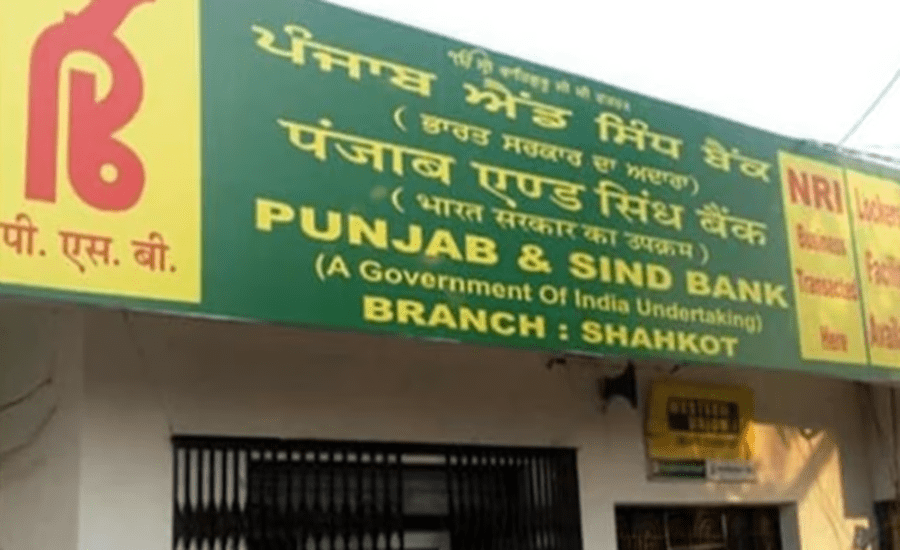
New Delhi: The Delhi High Court slams Punjab & Sind Bank for denying reward to the manager who foiled a robbery in 1998, delivering a strong judgment in favor of a bank officer who prevented a robbery attempt nearly three decades ago.
The Court directed Punjab & Sind Bank to pay ₹50,000 along with 12% annual interest and criticized the bank for forcing the manager into prolonged litigation. The decision highlights the importance of recognizing employees who act bravely in the line of duty.
Details of Punjab & Sind Bank 1998 Robbery Attempt Case
The case involved a bank manager who successfully foiled a robbery attempt at the Najafgarh branch of Punjab & Sind Bank in 1998. Following the incident, the manager expected a reward under the bank’s policies for acts of courage and service. However, the reward was allegedly not granted, leading to a long legal dispute that continued for nearly 28 years. The manager eventually approached the courts seeking justice and recognition for his actions.
Read also: No Biometric Aadhaar, No GST Registration: Delhi High Court’s Nationwide Order Explained
Punjab & Sind Bank 1998 Robbery Attempt Case: What Did The Delhi High Court Say
The Delhi High Court strongly criticized Punjab & Sind Bank for denying the reward despite the manager’s role in preventing the robbery.
Justice Neena Bansal Krishna observed that the bank should have appreciated the officer’s bravery rather than forcing him into years of litigation. The Court reportedly remarked that the bank owed an apology to the manager for making him fight such a long legal battle.
Compensation Ordered
The Court directed Punjab & Sind Bank to pay ₹50,000 to the manager. In addition, the Court ordered annual interest at the rate of 12 percent on the amount.
The judgment recognized the officer’s contribution and acknowledged the injustice caused by the prolonged delay.
Background Of The Punjab & Sind Bank 1998 Robbery Attempt Case
The robbery attempt took place at the Najafgarh branch of Punjab & Sind Bank in Delhi in 1998. The manager’s timely actions helped prevent the robbery from succeeding.
His efforts protected bank assets and demonstrated courage while performing official duties. The case later became a dispute over whether he was entitled to a reward under the bank’s internal rules.
Punjab & Sind Bank 1998 Robbery Attempt Case: Why Is This Judgment Important
The ruling sends a message that institutions should properly recognize employees who take risks to protect public property and perform their duties with dedication. The judgment reinforces the principle that deserving employees should not be denied legitimate benefits.
Accountability Of Public Institutions
The Court’s observations underline the responsibility of public sector organizations to act fairly and avoid unnecessary litigation. The decision also highlights the importance of resolving employee claims promptly and transparently.
Legal Significance Of The Ruling
Legal experts say the judgment strengthens employee rights in cases where organizations fail to honor their own policies. The ruling demonstrates that courts can intervene when administrative decisions appear unfair or unreasonable.
Message Against Delayed Justice
The case serves as an example of how long delays can affect individuals seeking rightful recognition. The Court’s decision aims to provide relief and accountability even after many years.
Read also: Delhi High Court Clarifies Rules On Hiring Amid Allegations Of Exam Malpractice
FAQs
The Delhi High Court directed Punjab & Sind Bank to pay ₹50,000 along with 12% annual interest to the manager.
The Court criticized the bank for denying a reward to a manager who foiled a robbery attempt in 1998 and for forcing him to undergo nearly 28 years of litigation.
The judgment was delivered by Justice Neena Bansal Krishna of the Delhi High Court.