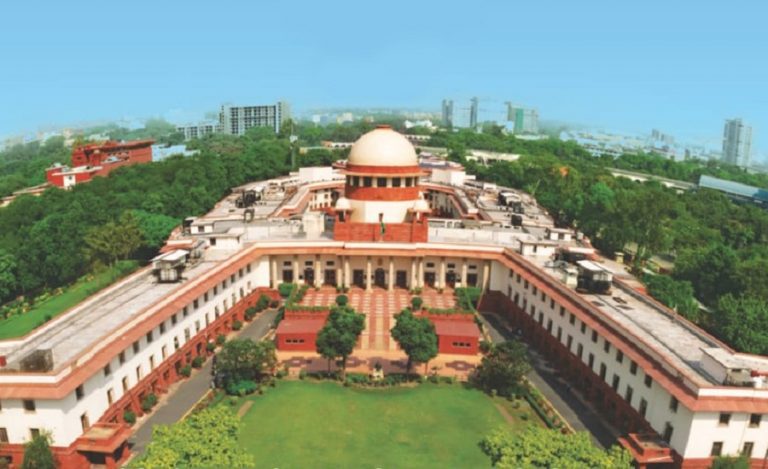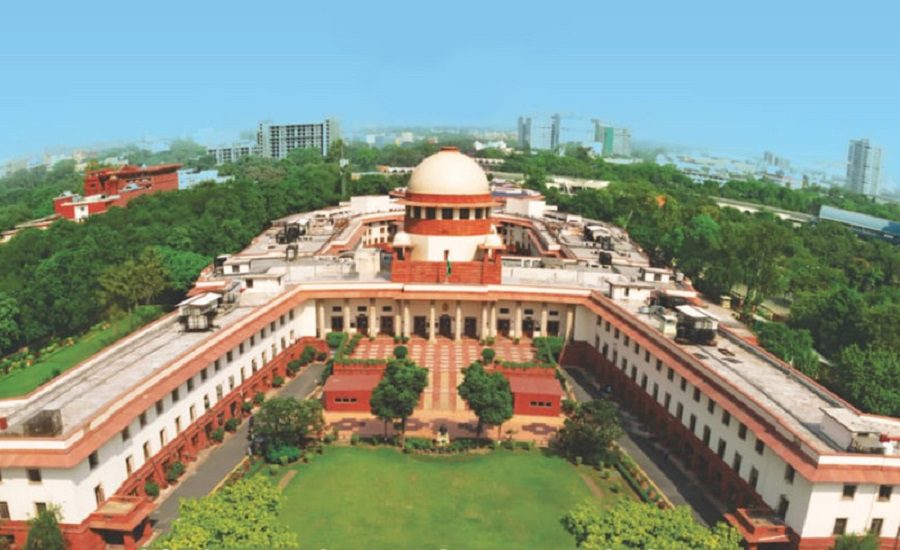
New Delhi: The Supreme Court of India has reserved its judgment on a proposal to increase the retirement age of District Judges from 60 to 62 years across the country. On November 18, 2026, the Court asked the remaining States and Union Territories to reconsider their opposition and gave them two weeks to respond.
The development came during the long-running All India Judges Association v. Union of India case. The Court believes that retaining experienced judicial officers could help address staff shortages and strengthen the justice delivery system.
District Judges Retirement Age: Supreme Court Asks States To Reconsider Their Positions
A three-judge bench comprising Chief Justice of India Surya Kant, Justice Joymalya Bagchi and Justice V. Mohana heard the matter.
Read also: Supreme Court Protects Judicial Officer From ‘Doubtful Integrity’ ACR Remark
The bench asked Attorney General R. Venkataramani to make one final effort to persuade the States and Union Territories that were still opposing the proposal.
The Court gave these States and Union Territories two weeks to reconsider their positions while the judgment is being prepared. The proposal aims to increase the retirement age of District Judges from the existing 60 years to 62 years.
District Judges Retirement Age: 15 States Support The Proposal, 12 Oppose It
During the hearing, Senior Advocate Siddharth Bhatnagar, who is assisting the Court as an amicus curiae, informed the bench about the latest positions of the States and Union Territories.
According to the information presented before the Court:
- 15 States/UTs supported increasing the retirement age.
- 12 States/UTs continued to oppose the proposal.
- 4 States/UTs requested more time to make a decision.
Gujarat, Jharkhand, Delhi and Puducherry were among those seeking additional time. Arunachal Pradesh, Goa, Haryana, Bihar, Manipur, Meghalaya, Uttar Pradesh and Rajasthan were among the States opposing the proposal.
Why Are Some States Opposing The Retirement Age Increase
The opposition from several States and Union Territories is mainly based on three concerns.
1. Additional Financial Burden
Some States believe that increasing the retirement age would create an additional financial burden on their governments.
2. Concerns Among Other Government Employees
Some States have argued that increasing the retirement age of judicial officers could create dissatisfaction among other government employees.
3. Opportunities For Young Candidates
Another concern is that extending the service of existing judicial officers could affect the career opportunities of younger candidates waiting to enter the judicial system. However, the Supreme Court has questioned these arguments.
District Judges Retirement Age: Supreme Court Questions The Financial Burden Argument
The Supreme Court had earlier rejected the argument that increasing the retirement age would necessarily create an additional financial burden on State governments.
The Court observed that retaining experienced judicial officers for two additional years could actually delay the payment of pensions and other retirement benefits. This could reduce the immediate financial pressure on State governments.
Justice Joymalya Bagchi also questioned why States considered paying pensions without receiving services to be less burdensome than retaining experienced officers.
The bench further highlighted the shortage of judicial officers and the need to improve the working strength of the district judiciary.
Supreme Court Says Judicial Officers Cannot Be Compared With Civil Servants
Chief Justice Surya Kant also stressed that judicial officers should not be compared with ordinary government employees.
The Chief Justice highlighted the importance of retaining experienced judicial officers who have spent years developing their knowledge and understanding of the legal system.
He explained that losing an experienced officer and appointing a new person could create additional challenges for the judicial system. However, the Court also recognised the importance of bringing new talent into the judiciary.
The main objective is to maintain a balance between retaining experienced judges and creating opportunities for younger candidates.
Supreme Court’s Earlier Decision On Retirement Age
The issue has been under consideration for several years in the All India Judges Association case. On September 1, 2026, the Supreme Court issued directions to seven States that had agreed to increase the retirement age of District Judges from 60 to 62 years.
These States included Chhattisgarh, Karnataka, Madhya Pradesh, Maharashtra, Sikkim, Tamil Nadu and West Bengal.
The Court directed them to amend their service rules to implement the increase, subject to an assessment of the concerned judicial officers’ suitability and performance at the age of 60.
The Court also asked the remaining States and Union Territories to reconsider their positions.
In its earlier directions, the Court allowed eligible judicial officers in States that agreed to the proposal to continue in service beyond 60 years, subject to the conditions specified by the Court.
What is Next Hearing Date
The Supreme Court has now reserved its judgment on the larger question of increasing the retirement age of District Judges across the country. However, the matter is not completely settled.
The States and Union Territories that are still opposing the proposal have been given two weeks to reconsider their decisions.
The Attorney General will also make a final effort to persuade them to support the proposal. The final judgment will determine how the retirement age issue is resolved across the country.
Read also: Why Did The Supreme Court Order An Inquiry Against A Judicial Officer? Full Story Here
FAQs
No. The Supreme Court reserved its judgment on November 18, 2026. The final decision on the nationwide proposal is still awaited. Certain States have already received directions to implement the increase, subject to specified conditions.
The Supreme Court is considering increasing the retirement age of District Judges from 60 to 62 years across India.
Chhattisgarh, Karnataka, Madhya Pradesh, Maharashtra, Sikkim, Tamil Nadu and West Bengal were directed to increase the retirement age from 60 to 62 years, subject to suitability and performance assessment by the concerned High Court.