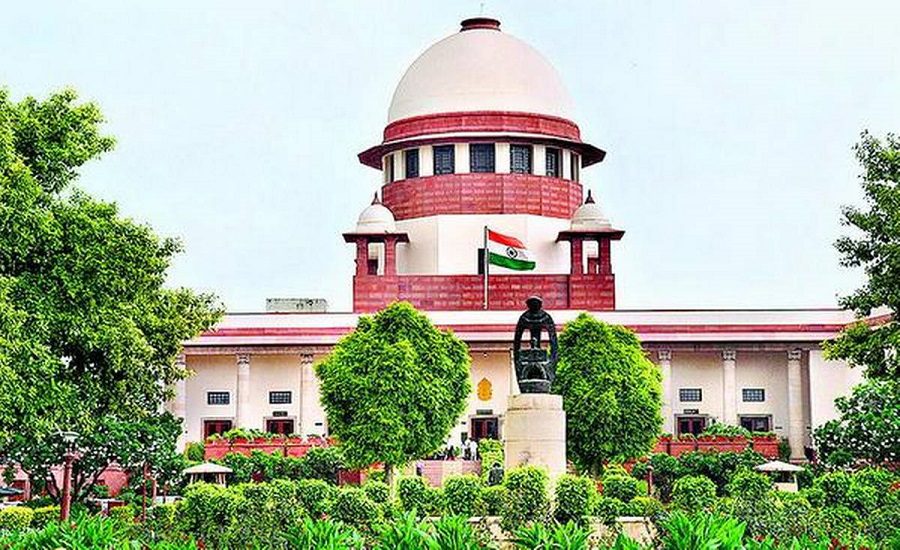
New Delhi: The Supreme Court was informed that the Greater Noida executive magistrate who issued a notice to a student over a proposed Cockroach Janata Party (CJP) protest has been suspended.
The information was shared before the Supreme Court during a hearing related to student protests and the legality of preventive action taken against a university student.
The case has raised important questions about free speech, peaceful protest, and administrative powers under the Bharatiya Nagarik Suraksha Sanhita (BNSS).
Details of Akshat Tripathi Case
The matter concerns Akshat Tripathi, a student of Gautam Buddha University in Greater Noida. He approached the Supreme Court challenging a notice issued by an Executive Magistrate under provisions of the BNSS. The notice required him to furnish a personal bond of ₹5 lakh along with two sureties of the same amount.
Read also: Why This Supreme Court Judgment Could Change Human Rights Litigation In India
According to the notice, authorities alleged that Tripathi was encouraging students to participate in a proposed protest organized by the Cockroach Janata Party (CJP).
Akshat Tripathi Case: Supreme Court Informed About Magistrate’s Suspension
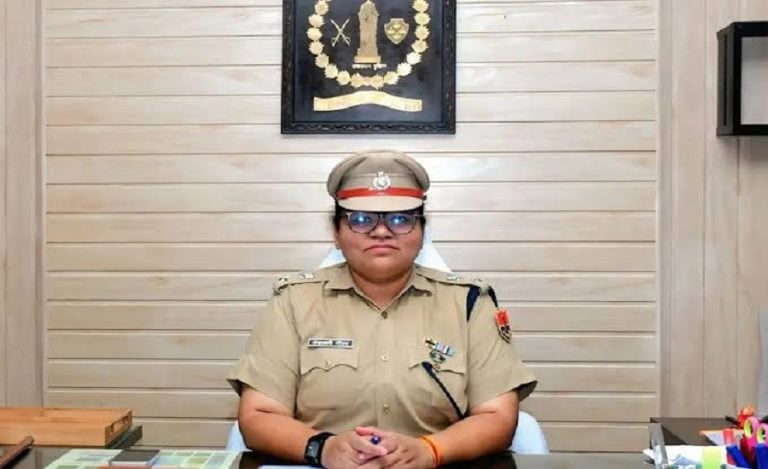
During the hearing, Solicitor General Tushar Mehta informed the Supreme Court that the Executive Magistrate who issued the notice had been suspended. The statement came after the court expressed concern regarding the circumstances under which the notice was issued.
Court’s Earlier Observation
Chief Justice of India Surya Kant had earlier indicated that the matter required serious examination. The court sought a response from the Uttar Pradesh government regarding the actions taken by local authorities in the case.
Why Was The Notice Issued
The notice reportedly invoked Section 126 of the BNSS. This section allows an Executive Magistrate to require security for keeping the peace when there is information that a person may disturb public order.
The notice also referred to Section 135, which deals with inquiry into the truthfulness of such information.
Allegations Against The Student
A police report alleged that Akshat Tripathi was spreading anti-government messages and encouraging students to join a proposed protest. Authorities claimed that such activities could create tension on campus and potentially disturb public peace.
Akshat Tripathi Case: Student’s Challenge Before The Supreme Court
Tripathi argued that the notice failed to mention any specific act, speech, date, time, or incident linking him to violence or disorder. He claimed that no supporting evidence was provided along with the notice.
Short Time To Respond
The petition stated that the notice was issued on September 4 and required his appearance on September 5. According to the student, this gave him very little time to seek legal advice and arrange the required sureties.
Constitutional Rights Argument
The petition argued that encouraging participation in a peaceful protest falls under the constitutional rights of freedom of speech and peaceful assembly. The student claimed that the action violated protections available under Articles 19 and 21 of the Constitution of India.
Akshat Tripathi Case: Concerns Over The ₹5 Lakh Bond Requirement
One of the major issues raised in the case was the requirement to furnish a personal bond of ₹5 lakh. The petition argued that such a high amount, along with two sureties of equal value, placed an unreasonable burden on an individual student. It was further claimed that the requirement affected personal liberty and due process protections.
Read also: Supreme Court New Guidelines on NDPS Bail: Full List of 13 Directions Explained
FAQs
Akshat Tripathi is a student of Gautam Buddha University who challenged a notice issued against him for allegedly encouraging participation in a proposed CJP protest.
The Solicitor General informed the Supreme Court that the Executive Magistrate who issued the notice to the student had been suspended. Detailed reasons for the suspension have not yet been publicly disclosed.
The notice required the student to furnish a personal bond of ₹5 lakh and provide two sureties of the same amount under provisions of the BNSS aimed at maintaining public order.