New Delhi: The Great Nicobar project has once again come under judicial scrutiny after the Supreme Court declined to interfere with a Calcutta High Court order that allowed Public Interest Litigations (PILs) challenging alleged violations of the Forest Rights Act. Instead of deciding the issue itself, the apex court asked the High Court to continue hearing the matter and dispose of it as early as possible.
The case is important because it involves tribal rights, environmental concerns, and one of India’s biggest infrastructure projects.
Details of Great Nicobar Project
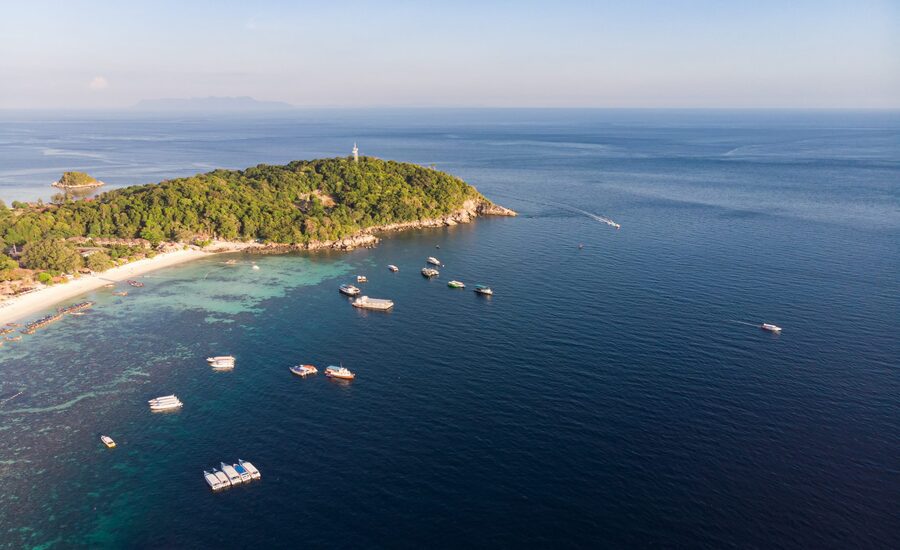
The dispute relates to the ambitious Great Nicobar Island Development Project, a major infrastructure initiative involving a transshipment port, airport, township, power facilities, and related infrastructure. The project has been projected as strategically important for India.
Read also: Explained: Why the Great Nicobar Project Is Facing Legal and Environmental Challenges
Several PILs were filed alleging that the project violated provisions of the Scheduled Tribes and Other Traditional Forest Dwellers (Recognition of Forest Rights) Act, 2006, particularly regarding the rights of indigenous tribal communities such as the Shompen and Nicobarese people.
What Happened In The Supreme Court
A Bench comprising Chief Justice of India Surya Kant, Justice Joymalya Bagchi, and Justice V. Mohan heard the matter. The Union Government challenged the Calcutta High Court’s decision that had upheld the maintainability of the PILs.
Attorney General R. Venkataramani argued that the project is of significant national importance and questioned whether the PILs should continue. The Centre also pointed out that multiple proceedings related to the project were already pending before different forums. However, the Supreme Court noted that the main matter was already pending before the Calcutta High Court and scheduled for hearing. Therefore, it chose not to interfere at this stage.
Why Did The Calcutta High Court Allow The PILs
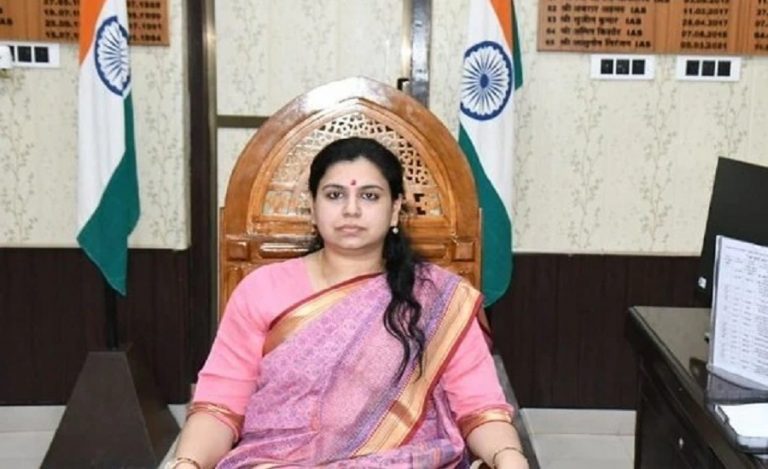
Earlier, the Calcutta High Court rejected the Centre’s objection that petitioner Meena Gupta, a retired IAS officer residing in Hyderabad, lacked the legal standing to file the PILs because she was not a resident of the Andaman and Nicobar Islands.
The High Court observed that PILs are meant to protect disadvantaged and vulnerable groups who may not be able to approach courts themselves. The court described the tribal communities in the islands as particularly vulnerable and deserving of judicial protection. It further held that large expenditure or national importance does not place a project beyond judicial review if questions of legality are raised.
Great Nicobar Project: Arguments Made By The Petitioner
Meena Gupta relied on her long experience in tribal welfare matters. Court records noted that she had served as Secretary in the Ministry of Tribal Affairs and was associated with issues concerning tribal rights and welfare. Her side argued that the case concerns the rights of Particularly Vulnerable Tribal Groups (PVTGs) and therefore qualifies as a genuine public interest matter.
Great Nicobar Project: Concerns Raised During The Hearing
During the Supreme Court proceedings, Justice Joymalya Bagchi raised broader questions about protecting the identity and culture of indigenous communities. The Bench discussed whether vulnerable tribal groups should be fully absorbed into mainstream society or whether their unique cultural identity should be preserved. The court observed that preservation of culture enjoys constitutional protection. These observations highlight the larger debate surrounding development projects in ecologically and culturally sensitive regions.
FAQs
The PILs allege violations of the Forest Rights Act and raise concerns about the rights and welfare of indigenous tribal communities living in the region.
The Supreme Court refused to interfere with the Calcutta High Court’s decision that allowed PILs challenging alleged Forest Rights Act violations and asked the High Court to hear the matter expeditiously.
Meena Gupta is a retired IAS officer and former Secretary in the Ministry of Tribal Affairs who filed one of the PILs concerning the Great Nicobar Project and tribal rights issues.