7 November 2026
ADVERTISEMENT
ADVERTISEMENT

Explained: Why the Great Nicobar Project Is Facing Legal and Environmental Challenges

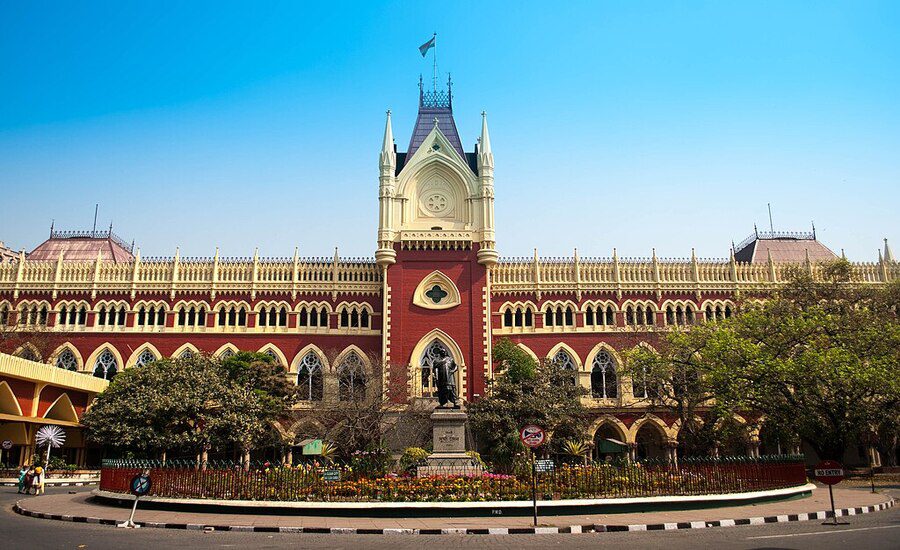
Calcutta High Court upheld the maintainability of PILs challenging the Great Nicobar Project over alleged Forest Rights Act violations, calling tribal communities “very vulnerable”.
Illegal Train Berth Sale Case
Indian Masterminds Stories

Kolkata: The Great Nicobar Project has come under fresh legal scrutiny after the Calcutta High Court upheld the maintainability of Public Interest Litigations (PILs) alleging violations of the Forest Rights Act (FRA). 

The court observed that tribal communities living in the Andaman and Nicobar Islands are “very vulnerable” and deserve legal protection. The matter is linked to the Centre’s massive infrastructure project proposed for Great Nicobar Island.

Great Nicobar Project: What Did the Calcutta High Court Say?

A division bench led by Chief Justice Sujoy Paul and Justice Partha Sarathi Sen rejected the Centre’s objection that the petitioner had no legal standing to file the PIL.

Read also: ‘Cash-for-Jobs’ Recruitment Scam: Calcutta HC Rescinds Mass Cancellation Order; 32,000 Teachers Win Back Jobs

Key observations by the court:

  • Tribal communities in the Andaman and Nicobar Islands are “very vulnerable”.
  • Such groups are often not easily accessible to outsiders.
  • PILs are maintainable when constitutional or legal rights of vulnerable communities are allegedly violated.
  • Rule 56 of the Forest Rights Act allows legal protection through PILs when rights of a class of people are affected.

The next hearing in the matter has been scheduled for June 23.

Why Was the PIL Filed?

The PIL was filed by former Tribal Affairs Secretary Meena Gupta.

According to the petition:

  • Forest rights of indigenous tribal groups were allegedly not properly settled before approvals were granted.
  • The process under the Forest Rights Act may not have been fully followed.
  • Consent-related procedures involving local tribal communities are under question.

The court noted that Meena Gupta had earlier worked on issues related to tribal welfare and was associated with the drafting process of the Forest Rights Act, 2006.

What Is the Great Nicobar Project?

The Great Nicobar infrastructure project is a mega development plan proposed by the Indian government.

The project reportedly includes:

  • International transshipment port
  • Greenfield airport
  • Township development
  • Power infrastructure
  • Strategic and defence-related facilities

Government sources have described the project as strategically important for India because of Great Nicobar’s location near major international shipping routes.

Why Is the Great Nicobar Project Controversial?

Environmental groups, tribal rights activists, and legal experts have raised several concerns.

Major concerns include:

Tribal Rights

  • Questions over whether indigenous communities gave valid consent.
  • Allegations that forest rights claims were not fully settled before approvals.

Environmental Impact

  • Great Nicobar is ecologically sensitive.
  • The island contains forests, mangroves, coral ecosystems, and protected biodiversity zones.

Gram Sabha Consent Issues

Reports have also questioned whether Gram Sabha meetings met quorum requirements under FRA rules.

Centre’s Stand

The Centre argued before the court that:

  • The project is of “great national importance”.
  • It involves infrastructure critical for trade, logistics, and defence.
  • The project cost is around ₹72,000 crore.

The government has also said that environmental safeguards and legal procedures were followed during project clearances.

Official and Legal Background

The Forest Rights Act, 2006 was enacted to recognize the traditional rights of forest-dwelling tribal communities over land and forest resources.

Under the law:

  • Consent of Gram Sabhas is important in forest diversion cases.
  • Rights settlement must happen before forest land is diverted for projects.

The Great Nicobar case is now becoming one of the most closely watched legal battles involving development versus tribal and environmental protections in India.

Read also: Major Boost for Government Job Aspirants: Calcutta High Court Bans Mid-Process Cut-Off Changes


Indian Masterminds Stories
Join our WhatsApp Channel
ADVERTISEMENT
ADVERTISEMENT
Related Stories
ADVERTISEMENT
ADVERTISEMENT
NEWS
HAL_resized
Leadership Updates: PESB Recommends Jasbir Singh for HAL Director (Engineering & R&D) Post
NCL CSR Blood Bank Project
NCL Signs ₹1.16 Crore CSR MoU to Establish Blood Bank at District Hospital in Singrauli
Cochin Shipyard COLLAB
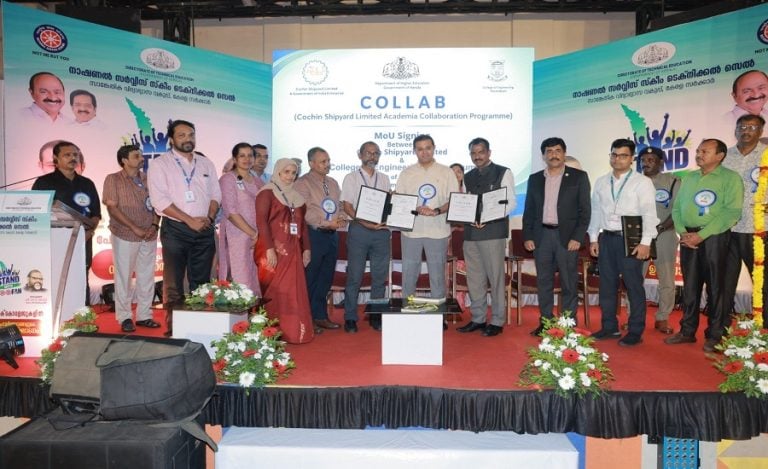
Cochin Shipyard Signs MoUs with Four Kerala Engineering Colleges to Boost Research and Innovation 
NALCO Angul CPP Plant
NALCO’s Angul Captive Power Plant Wins ‘CPP Plant of the Year’ Award for Fly Ash and Waste Utilisation 
MP-Police-
MP IPS Transfers: Malay Jain Appointed Balaghat SP; Sachin Kumar Atulkar, Pradeep Sharma Get Additional Charges
Praveen Mal Khanooja
Who Is Praveen Mal Khanooja? IA&AS Officer Gets Six-Month Extension as Additional Secretary in Petroleum Ministry
Justice Rajesh Bindal
Who Is Justice Rajesh Bindal? Former Supreme Court Judge Appointed NCLAT Chairperson
NLMC
CPSE Asset Monetisation: Inter-Ministerial Group Recommends Proposals Worth Over ₹1,100 Crore
ADVERTISEMENT
ADVERTISEMENT
Videos
Five years after Kargil, India sent its cricketing heroes to Pakistan where terrorism posed a deadly threat. The man guarding them, former Special Director of Intelligence Bureau, Mr. Yashovardhan Azad, reveals what all went behind the scenes during that crucial tour. 
Trust No One, Said His Instinct in Pakistan
Gajendra Singh Shekhawat
How India Plans to Boost Tourism, Create Jobs and Ease Overcrowding : Gajendra Singh Shekhawat on the Road to 2047
Dr Saket Badola IFS
Beyond Tigers and Safaris: How Corbett Literature Festival Wants to Change the Conservation Conversation
ADVERTISEMENT
UPSC Stories
IDAS Himanshu Tembhekar
Should UPSC Aspirants Give Up Their Hobbies? IDAS Officer Himanshu Tembhekar Explains
Should UPSC aspirants give up their hobbies? IDAS officer Himanshu Tembhekar explains how hobbies help...
UPSC Story
He Taught Students to Meet Expenses. Today, Sachin Bhadouria is a Scientist ‘B’ at CWPRS
Sachin Bhadouria overcame financial challenges and a Hindi-medium background to secure AIR 2 in a UPSC...
Vishwas Jhargad UPSC CAPF
A Photograph of His Mother Accompanied Vishwas Jhargad to the UPSC Interview, Where His Dream Came Closer
Vishwas Vijay Jhargad lost both parents as a child. With his family's support, he secured AIR 145 in...
CSR NEWS
NCL CSR Blood Bank Project
NCL Signs ₹1.16 Crore CSR MoU to Establish Blood Bank at District Hospital in Singrauli
The project will fund essential medical equipment, furniture and renovation of the existing building...
REC Foundation Solar Street Light
REC Foundation to Install 350 Solar Street Lights Across Six Districts of West Bengal to Improve Rural Safety 
The CSR initiative, undertaken in partnership with Y4D Foundation, aims to improve night-time safety...
nalco
NALCO Signs MoU with SDI Bhubaneswar to Provide Skill Training to 60 Youths in Odisha
The three-month CSR programme will benefit youths from villages near NALCO's Angul and Koraput complexes,...
ADVERTISEMENT
ADVERTISEMENT
ADVERTISEMENT
Latest
HAL_resized
Leadership Updates: PESB Recommends Jasbir Singh for HAL Director (Engineering & R&D) Post
NCL CSR Blood Bank Project
NCL Signs ₹1.16 Crore CSR MoU to Establish Blood Bank at District Hospital in Singrauli
ADVERTISEMENT
ADVERTISEMENT
ADVERTISEMENT
ADVERTISEMENT
ADVERTISEMENT
ADVERTISEMENT
ADVERTISEMENT
Videos
Five years after Kargil, India sent its cricketing heroes to Pakistan where terrorism posed a deadly threat. The man guarding them, former Special Director of Intelligence Bureau, Mr. Yashovardhan Azad, reveals what all went behind the scenes during that crucial tour. 
Gajendra Singh Shekhawat
Dr Saket Badola IFS
ADVERTISEMENT
ADVERTISEMENT