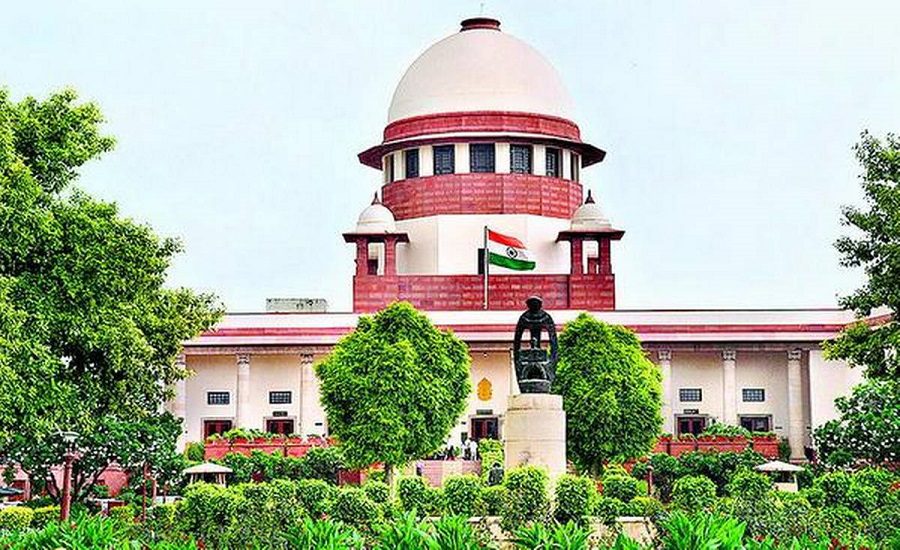
New Delhi: The Supreme Court observed that judges should not impose their personal views or moral opinions while deciding bail applications or conducting criminal trials. The Court made these observations while granting bail to an accused and setting aside an earlier order of the Madhya Pradesh High Court.
What Did The Supreme Court Say Criminal Trials
A bench comprising Justice Ujjal Bhuyan and Justice Atul S. Chandurkar stated that courts must remain neutral while deciding criminal matters. The Court said judges should avoid imposing personal views or value judgments on morality while hearing bail pleas or criminal cases.
According to the judgment, legal decisions should be based on facts, evidence, and applicable laws rather than individual beliefs about morality.
High Court Order Set Aside
The Supreme Court disagreed with the Madhya Pradesh High Court’s decision to deny bail.
The High Court had observed that granting bail could have consequences for the social order and the “morals” of the victim’s family. The Supreme Court found that such observations were not appropriate while deciding a bail application.
Background Of The Case
According to court records, the accused was a tenant living in the neighborhood of the victim. The prosecution alleged that despite being married, he attempted to abduct the victim’s elder sister.
An FIR was registered under provisions of the Bharatiya Nyaya Sanhita (BNS), the Protection of Children from Sexual Offences (POCSO) Act, 2012, and the Scheduled Castes and Scheduled Tribes (Prevention of Atrocities) Act, 1989.
Defense Arguments
The accused denied all allegations. He argued that the criminal proceedings were initiated to harass him because of his relationship with the prosecutrix. After the High Court rejected his bail request, he approached the Supreme Court seeking relief.
Why Did The Supreme Court Grant Bail
The Supreme Court noted that the accused had been in custody since September 2025. The Court observed that he had already spent more than one year in jail while the trial was still pending.
Criminal Trials Likely To Take More Time
The bench further noted that the criminal trial would take additional time to conclude. Considering the length of incarceration and the likely delay in completing the trial, the Court held that a case for granting bail was made out. The Court emphasized that prolonged detention before conviction should be carefully examined while deciding bail matters.
Criminal Trials Rule: Key Observation Of The Supreme Court
The Supreme Court clearly stated that judicial decisions must remain objective and legally grounded.
The Court observed that personal moral standards of judges should not become a factor in determining whether an accused deserves bail. This observation is expected to serve as an important guideline for lower courts across India while dealing with criminal matters.
Read also: Why The Supreme Court Wants States To Link Traffic Challans With Electricity Bills
FAQs
The Court noted that the accused had spent more than one year in custody and that the trial would take additional time to conclude.
The Supreme Court said judges should avoid imposing their personal views or value judgments on morality while deciding bail pleas or criminal trials.
The Supreme Court set aside the Madhya Pradesh High Court’s order that had denied bail based on concerns about social order and the morals of the victim’s family.