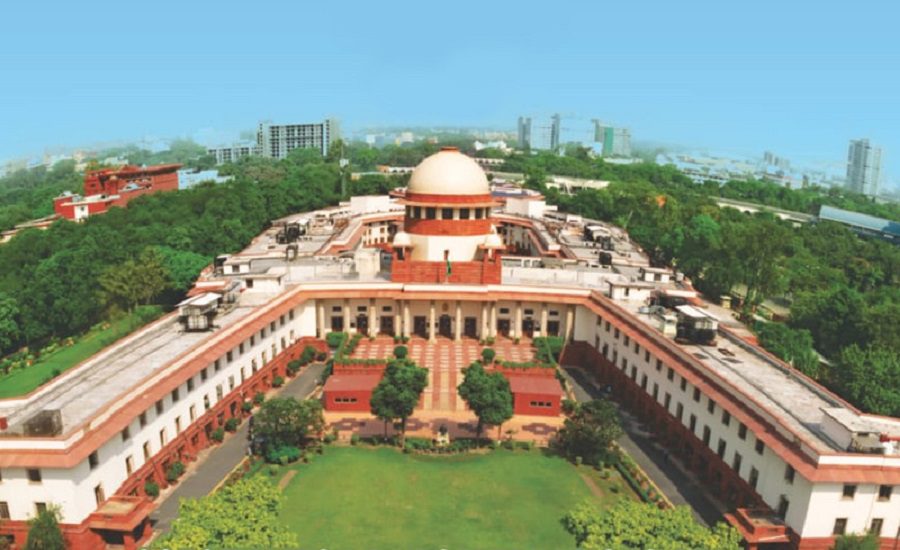
New Delhi: Supreme Court has suggested a new way to recover traffic e-challan fines that remain unpaid for years. During a hearing on road safety and pending Challans, the court asked states to consider linking unpaid traffic fines with electricity bills.
The suggestion aims to improve fine collection and encourage better compliance with traffic rules. The proposal was discussed based on data presented before the court regarding a large number of unpaid e-challans across the country.
Why Did The Supreme Court Make This Suggestion
The Supreme Court was hearing a matter related to road safety and the recovery of unpaid traffic fines. During the proceedings, the court noted that a huge amount of traffic challan money remains unpaid despite the availability of digital systems.
Read also: Article 142 Explained: How The Supreme Court Helped Priyanka Saxena Rejoin The IAF
The judges observed that states should explore practical methods to recover pending fines and improve enforcement of traffic laws.
What Is The Problem With Pending Traffic E-Challan Fines
According to information presented before the court, traffic authorities have issued a massive number of e-challans over the years.
A large portion of these fines has not yet been recovered, creating a significant gap between penalties issued and penalties collected.
The court noted that recovering these dues is important for maintaining discipline on roads and ensuring that traffic rules are taken seriously.
Existing Recovery Methods Are Not Fully Effective
Many vehicle owners continue to use their vehicles even after receiving multiple unpaid challans. Authorities often face difficulties in tracking offenders and ensuring timely payment of fines.
This has led to discussions on alternative recovery mechanisms that can improve compliance.
How Would Linking Traffic E-Challan Fines With Electricity Bills Work
The Supreme Court suggested that states may examine whether unpaid traffic fines can be linked to electricity bills. Under such a system, authorities could potentially use utility billing records to identify and recover outstanding dues.
The suggestion was made as a possible solution and not as a final order for immediate implementation.
States Will Need To Study The Proposal
Any such mechanism would require legal, administrative, and technical examination by state governments. States would also need to ensure that consumer rights and due process requirements are protected. The court advised governments to evaluate the feasibility of the idea before taking any decision.
Supreme Court Also Suggests Vehicle Verification
The court also discussed stronger action against repeat offenders. It suggested that authorities verify vehicles that have accumulated multiple unpaid traffic challans. Officials may examine vehicle records and ownership details to identify habitual violators.
Road Safety Remains A Priority
The Supreme Court emphasized that traffic enforcement is directly linked to public safety. Better recovery of fines can help encourage responsible driving behavior and reduce traffic violations. The court has repeatedly stressed the importance of stricter implementation of road safety measures across India.
What Could Be The Impact Of This Proposal
If states adopt an effective recovery system, authorities may be able to collect a larger share of pending traffic fines. This could improve compliance with traffic regulations and strengthen enforcement efforts.
Increased Accountability For Vehicle Owners
Vehicle owners may become more careful about paying challans on time if recovery systems become more integrated. Experts believe stronger enforcement mechanisms can help reduce repeat traffic violations.
Read also: Women’s Safety Under Spotlight As Supreme Court Takes Suo Motu Cognizance Of Delhi-NCR Rape Cases
FAQs
The court suggested the idea to improve the recovery of pending traffic e-challan fines and strengthen enforcement of traffic rules.
No. The court has only suggested that states examine the possibility. No nationwide implementation order has been issued.
Traffic e-challans are digital traffic violation notices issued electronically by traffic authorities for breaking road safety rules.