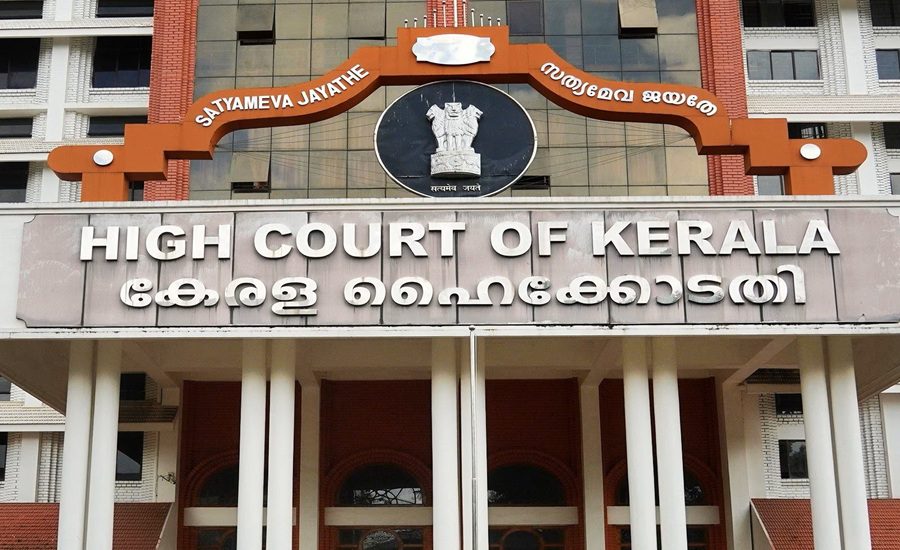
New Delhi: The Kerala High Court 5 PM restriction on producing arrested persons before Magistrates has been set aside by a Division Bench of the Court. The Court ruled that government guidelines cannot create barriers to the prompt production of arrested persons before a Magistrate.
The Bench of Justice Raja Vijayaraghavan V and Justice K.V. Jayakumar observed that an arrested person must be produced without unnecessary delay. The Court also highlighted the importance of constitutional rights, legal assistance and timely judicial review.
The judgment was delivered on October 23, 2026, in a public interest litigation challenging the Kerala Government’s guidelines.
What Did The Kerala High Court Say About Arrested Persons 5 PM Rule
The Kerala High Court set aside the government guidelines that preferred the production of arrested persons before Judicial Officers between 10 AM and 5 PM.
Read also: Inside The Legal Dispute That Prompted Kerala High Court To Issue Notice To Bar Council
The guidelines treated production after 5 PM as an exceptional situation. The Court found that this arrangement could discourage police officers from producing arrested persons immediately when required.
The Bench explained that administrative rules cannot reduce the protection given to arrested persons under the Constitution and criminal law.
The Court also made it clear that the police must follow the legal duty to produce an arrested person without unnecessary delay.
Why Did The Court Strike Down The Government Guidelines on Arrested Persons 5 PM Rule
The case concerned guidelines issued by the Kerala Government on September 21, 2023. These guidelines explained the procedure for producing accused persons before Judicial Officers and Registered Medical Practitioners for medical examination, medical procedures and medico-legal examination.
Clause 18 preferred production during regular working hours, between 10 AM and 5 PM. Clause 19 required prior intimation from a senior police officer when an accused person had to be produced after 5 PM. It also required the investigating officer to remain present and explain the exceptional circumstances.
The petitioner argued that these conditions could create unnecessary restrictions on the police duty to produce arrested persons before a Magistrate. The petitioner also submitted that the rules could affect the constitutional rights of arrested persons under Article 22(2) of the Constitution.
Government Modified The Guidelines During The Case
During the proceedings, the Kerala Government modified the guidelines through an order dated September 24, 2026.
The modified Clause 18 continued to prefer production between 10 AM and 5 PM, but it also required strict compliance with the 24-hour limit under the Bharatiya Nagarik Suraksha Sanhita, 2023 (BNSS).
Clause 19 was also changed. The requirement for the investigating officer to remain present during production was removed. However, the petitioner argued that the modified rules still created an unreasonable restriction on the production of arrested persons outside regular court hours.
The Court examined whether these guidelines could discourage prompt production and affect the rights of arrested persons.
What Does Section 58 Of BNSS Say About Arrested Persons
Section 58 of the Bharatiya Nagarik Suraksha Sanhita, 2023, deals with the period for which a person arrested without a warrant may be detained.
Under this provision, an arrested person must be produced before the nearest Magistrate within 24 hours of arrest. The time required for the journey from the place of arrest to the Magistrate is excluded from this calculation.
The law also prevents police from keeping an arrested person in custody beyond the prescribed period without the authority of a Magistrate.
The Court clarified that the 24-hour period is an outer limit. It does not mean that police can wait until the last moment to produce an arrested person. The duty to produce an arrested person without unnecessary delay remains important.
Court Says 24-Hour Limit Does Not Allow Unnecessary Delay
The Kerala High Court rejected the argument that compliance with the 24-hour limit alone was enough to protect the rights of arrested persons.
The Bench explained that Article 22(2) of the Constitution and Section 58 of BNSS require timely production before a Magistrate.
The Court observed that an executive guideline cannot make it easier for authorities to delay production or reduce procedural protections.
The judgment also highlighted that an arrested person must have a meaningful opportunity to challenge the legality of arrest and detention.
The Court stated that administrative arrangements cannot override constitutional rights or the legal duties of investigating agencies.
What is the Effect of The Arrested Persons 5 PM Rule
The Court examined how the guidelines could operate in real situations. For example, if a person is arrested at or after 5 PM, the requirement to show exceptional circumstances and provide prior intimation could make the investigating officer reluctant to produce the person immediately.
This could lead to production being postponed until the following morning. The Court observed that such a delay could affect the arrested person’s ability to obtain legal assistance, challenge the arrest and oppose police remand.
The Bench also considered a situation where a person is arrested around 4:30 PM and provides information that may lead to the recovery of a weapon or stolen property.
The police might choose to produce the person before 5 PM and seek police custody the next day instead of arranging production after regular court hours.
According to the Court, such a situation could affect time-sensitive investigations. The Court therefore examined the practical impact of the guidelines, rather than only their wording.
Article 22(2) Protects The Rights Of Arrested Persons
Article 22(2) of the Constitution of India provides important protection to persons who are arrested and detained. It requires an arrested person to be produced before the nearest Magistrate within 24 hours of arrest, excluding the time necessary for the journey.
It also provides that a person cannot be detained beyond this period without the authority of a Magistrate.
The Kerala High Court explained that this constitutional protection must be followed in practice. The Court observed that the right to prompt judicial scrutiny is important because it allows an arrested person to seek legal assistance and challenge unlawful detention.
The Bench also referred to earlier Supreme Court decisions, including Sheela Barse v. State of Maharashtra and Joginder Kumar v. State of Uttar Pradesh. These decisions highlight the importance of safeguards against unlawful arrest and detention.
Court Upholds Prior Intimation To Magistrate After 5 PM
Although the Kerala High Court struck down the restriction on production after 5 PM, it did not remove every requirement under the guidelines.
The Bench specifically upheld the requirement of prior intimation to the concerned Magistrate when an arrested person is produced after 5 PM.
The Court recognised that the State can adopt reasonable measures to ensure the safety of Judicial Officers and other persons involved in the remand process. However, these measures must not delay production or affect the constitutional rights of arrested persons.
The Court explained that prior intimation can serve as a coordination measure, provided it does not become a barrier to prompt production.
Read also: Court-Martial Rules Explained: Why Kerala High Court Allowed A Dual Role Officer
FAQs
Section 58 of BNSS requires an arrested person to be produced before the nearest Magistrate within 24 hours of arrest, excluding journey time. The period is an outer limit and does not permit unnecessary delay.
The Kerala High Court struck down guidelines that preferred producing arrested persons before Magistrates between 10 AM and 5 PM and treated production after 5 PM as exceptional. The Court upheld prior intimation to the Magistrate for production after 5 PM.
Yes. The Kerala High Court rejected the restriction that treated production after 5 PM as exceptional. Prior intimation to the concerned Magistrate remains required under the guidelines, but it cannot be used to delay production.